How do Dirty Coils and Filters Affect AC Performance?
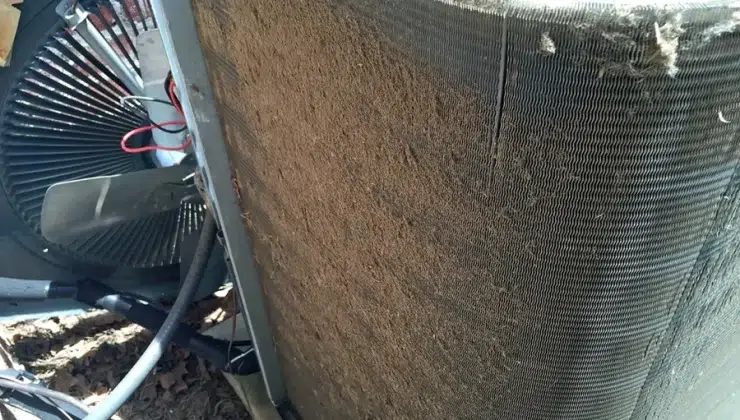
Air conditioning systems depend on clean internal components to operate smoothly and maintain comfortable indoor temperatures. Two of the most influential yet often overlooked parts are the coils and air filters. When these components become dirty, the effects extend beyond reduced airflow or slightly warmer rooms. Over time, buildup on coils and filters interferes with heat transfer, strains mechanical parts, and increases energy use. Many performance complaints about air conditioning systems are due to contamination rather than mechanical failure. Understanding how dirty coils and filters affect AC performance underscores the importance of routine cleaning in preserving comfort, efficiency, and system stability.
The Hidden Impact of Buildup
-
Why Clean Coils Matter for Heat Transfer
Coils are responsible for absorbing and releasing heat during the cooling process, making their condition critical to system performance. When dirt, dust, and debris accumulate on evaporator or condenser coils, they form a barrier that limits heat exchange. The system must then run longer to achieve the same temperature change, increasing workload on the compressor and fans. In climates with frequent seasonal debris, including areas like New Bern, NC, coils can accumulate quickly if not maintained. Reduced heat-transfer efficiency leads to uneven cooling, longer cycle times, and higher energy consumption. Clean coils allow heat to move efficiently, supporting steady performance and reducing unnecessary strain on internal components.
-
How Dirty Filters Restrict Airflow
Air filters are designed to capture airborne particles before they circulate through the system. As filters clog, airflow is restricted, reducing the volume of air passing over the coils. This restriction causes the system to work harder to move air, which can lead to temperature imbalances and reduced cooling output. Dirty filters also increase static pressure within the system, placing additional stress on the blower motor. Over time, restricted airflow contributes to overheating and premature wear. Maintaining clean filters ensures consistent airflow, helping the system cool spaces evenly without excessive effort or disruption.
-
Energy Use and Operating Stress
Dirty coils and filters directly affect how much energy an AC system consumes. As resistance within the system increases, more power is required to maintain cooling output. Longer runtimes and frequent cycling increase electricity consumption and operating costs. This added demand also generates more heat within components, increasing stress on the compressor and electrical systems. Over time, higher operating stress can lead to unexpected shutdowns or repairs. Clean components support efficient operation by allowing the system to reach target temperatures without overexertion. Reduced energy demand benefits both system longevity and monthly utility expenses.
-
Temperature Consistency and Comfort Levels
One of the most noticeable effects of dirty coils and filters is inconsistent indoor comfort. Some rooms may feel warmer while others remain cooler, creating uneven temperature distribution. This imbalance occurs because restricted airflow prevents conditioned air from reaching all areas effectively. Dirty coils further reduce cooling capacity, making it harder for the system to meet thermostat setpoints. As a result, occupants may frequently adjust thermostats, causing additional cycling and strain. Clean coils and filters help maintain steady airflow and consistent cooling, supporting a more comfortable and predictable indoor environment throughout the space.
-
Moisture Control and System Health
Clean coils help manage indoor humidity by allowing proper condensation during the cooling process. When coils are dirty, moisture removal becomes less effective, leading to higher indoor humidity. Excess moisture can cause discomfort and degrade air quality. Dirty filters may also allow dust and debris to accumulate on damp surfaces, increasing the risk of buildup within the system. Maintaining clean components supports balanced moisture control, helping the system manage humidity efficiently during cooling. This balance protects internal parts and contributes to healthier indoor conditions.
-
Mechanical Wear and Long-Term Reliability
As dirty coils and filters force the system to work harder, mechanical wear increases across multiple components. Blower motors, compressors, and fans experience higher loads and longer operating cycles. This accelerated wear can shorten the system’s usable life, even if individual parts appear functional. Regular cleaning reduces friction and heat buildup, allowing components to operate within intended ranges. By minimizing unnecessary stress, cleaning coils and filters supports long-term reliability and reduces the likelihood of performance decline from cumulative strain rather than sudden failure.
-
Performance Recovery Through Maintenance
Restoring clean coils and filters often leads to immediate improvements in AC performance. Airflow becomes stronger, cooling cycles shorten, and temperature balance improves throughout the space. These changes demonstrate that performance depends more on cleanliness than on system size or age. Maintenance focused on cleaning allows systems to operate closer to their designed capacity without requiring major adjustments or replacements. This recovery highlights the value of addressing buildup early, before it contributes to more complex issues.
Dirty coils and filters affect AC performance in ways that extend far beyond minor inconvenience. By limiting airflow and reducing heat transfer, buildup increases energy use, strains components, and disrupts indoor comfort. Over time, these effects can compromise reliability and lead to avoidable repairs. Clean coils and filters support efficient operation, consistent temperatures, and balanced humidity control. Paying attention to these often-overlooked components helps preserve system health and ensures air conditioning systems deliver steady, dependable performance throughout the cooling season.