How Regular Tyre Checks Improve Fuel Efficiency & Safety?
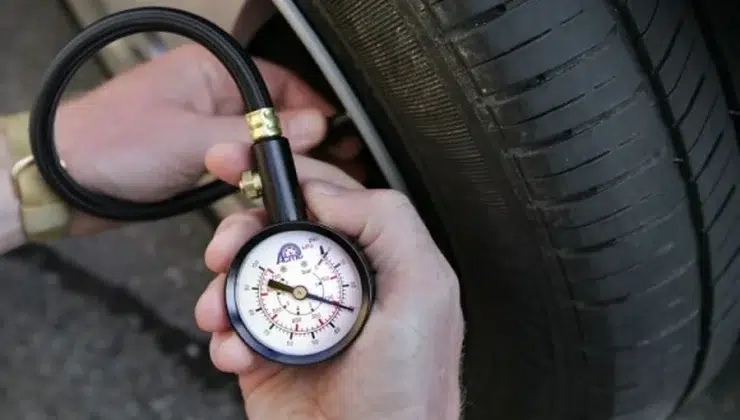
Regular tyre checks directly cut your fuel costs and reduce your risk of an accident.
Most drivers only think about their tyres when something goes wrong, but a five-minute check each month can save you real money and keep you safer on New Zealand roads.
Visiting a tyre shop in West Auckland for a professional inspection every few months takes it a step further and catches problems that are hard to spot yourself.
Your tyres are the only part of your vehicle that actually touches the road. Their condition affects how much fuel your engine uses, how quickly you can stop, and how your car handles when conditions change quickly.
Keeping them in good shape is not complicated, but it does require consistency.
How Tyre Pressure Affects Your Fuel Bill?
Tyre pressure is the single biggest factor most drivers overlook. When your tyres are under-inflated, more of the tyre surface drags against the road.
This increases rolling resistance and forces your engine to work harder to maintain speed, which pushes your fuel consumption up.
Industry data consistently shows that under-inflated tyres can increase fuel consumption by three to five per cent.
That might not sound like much, but if you are filling up regularly for commuting or work, it adds up to a meaningful cost over the year.
Over-inflation is just as harmful, even though it feels like it should be more efficient.
An over-inflated tyre sits on a smaller contact patch, which reduces grip, causes faster wear down the centre of the tread, and makes the ride harsher. Neither extreme is good for your wallet or your safety.
What to Check and How Often?
A proper tyre check covers four things. Make these part of your routine:
- Tyre pressure: check monthly and before any long road trip. Use the pressure listed on your door placard or owner’s manual, not the maximum pressure stamped on the tyre sidewall.
- Tread depth: check monthly using a tread depth gauge or the 20-cent coin test. The legal minimum in New Zealand is 1.5mm, but wet performance drops noticeably below 3mm, especially on highways.
- Tyre condition: look for sidewall cracks, bulges, cuts, or objects stuck in the tread. These may require replacement even if the tread depth is still legal.
- Wheel alignment: Have this checked at least once a year or after hitting a kerb or a significant pothole. Misalignment causes uneven wear and increases fuel consumption.
The Safety Side of Regular Tyre Checks
Fuel savings matter, but tyre safety is the more important reason to stay consistent with your checks.
Under-inflated or worn tyres increase your stopping distance in wet conditions, reduce cornering stability, and raise the risk of a blowout at speed.
New Zealand roads cover a wide range of conditions. You might be doing motorway kilometres in Auckland one day and driving a wet mountain pass or a gravel road the next.
A tyre sitting at 1.6mm of tread performs very differently on a dry Auckland motorway compared to a wet alpine road. Staying well above the legal minimum gives you a genuine safety buffer across all of those conditions.
How Tyre Rotation Saves You Money?
Front and rear tyres wear at different rates depending on your vehicle. On a front-wheel-drive car, the front tyres do more work and wear faster.
Regular rotation, typically every 8,000 to 10,000 km, evens out that wear and extends the life of your full set of tyres.
Evenly worn tyres also maintain more consistent rolling resistance across all four wheels.
When one tyre is significantly more worn than the others, the imbalance forces the drivetrain to work harder. Rotation is a low-cost service that genuinely stretches your tyre budget.
What Are Some Simple Checks You Can Do at Home?
You do not need special equipment for most of these. Between professional visits, here is what you can do yourself:
- Check tyre pressure with a quality gauge when the tyres are cold, before you have driven more than two kilometres.
- Walk around your car and visually inspect each tyre for obvious damage, embedded objects, or unusual wear patterns across the tread.
- Use a 20-cent coin to test tread depth. Put the coin in the groove with the ’20’ facing down. If the top of the number is visible, your tread is getting low.
- Pay attention to how your car feels. Vibration through the steering wheel, the car pulling to one side, or a rougher ride than usual are all signs worth investigating.
When a Professional Check Makes Sense?
Home checks are a good habit, but they are not a substitute for a professional inspection.
A qualified technician can assess alignment, check for internal tyre damage that is invisible from the outside, and inspect wheel balancing. Book a professional check if:
- Your tyres show uneven wear across the tread or on one edge.
- You have not had a wheel alignment in the past 12 months or since hitting a significant road hazard.
- Your vehicle has been sitting unused for an extended period.
- You are heading out on a long road trip and want confidence in your tyres before you leave.
Staying on top of your tyre checks is one of the simplest things you can do for your vehicle.
It costs very little time and saves real money in fuel, tyres, and avoided repair bills. Book a free tyre safety check and start with a clear picture of where your tyres actually stand.