Mastering Truckload Capacity: Turning Freight Planning into a Competitive Advantage
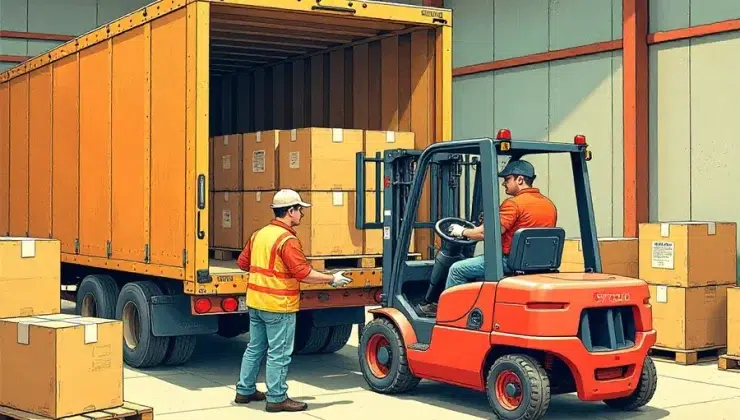
In logistics, truckload capacity is much more than a number. It is the thin line between profit and waste. Every inch and every pound inside a trailer represents money, efficiency, and reliability. Yet many logistics teams still rely on outdated spreadsheets or manual estimates, missing valuable opportunities to reduce costs and improve sustainability.
When managed correctly, truckload capacity optimization can save up to two days on long hauls, reduce empty miles, and improve delivery reliability. It is not about simply filling a truck but about filling it intelligently, while balancing weight, volume, and safety in one precise plan.
The Real Meaning of Truckload Capacity
Truckload capacity is not only about available space. It determines how efficiently you can move freight without overloading or wasting potential. A standard 53-foot trailer can handle around 45,000 pounds or 26 pallets, while a 48-foot trailer carries slightly less. The difference might appear small, but when multiplied across dozens of weekly shipments, it can result in thousands of dollars in additional fuel and labor.
To calculate truckload volume correctly, logistics teams must consider both actual weight and dimensional weight. The basic equation looks simple:
Truckload capacity = Gross vehicle weight rating – Curb weight
However, that simplicity hides several important factors, such as pallet height, cargo fragility, and axle limits. Overlooking these elements can lead to overweight penalties or half-empty trailers, both of which increase operating costs.
Tip: If you are still calculating capacity manually, there is a smarter and faster way. You can find it here. Using professional truckload planning software replaces guesswork with precision and reduces the risk of underutilized loads.
Balancing Weight, Volume, and Efficiency
Weight and volume rarely align perfectly. You can “cube out” a truck when it is full by space but underweight, or “weigh out” when it reaches the weight limit while there is still space left. The art of truckload optimization lies in balancing both limits effectively.
Imagine a company shipping lightweight but bulky plastic containers. Each trailer fills completely by volume long before reaching its legal weight limit. By restacking pallets and adjusting packaging through truck load planning software, the company increased its average utilization by 12 percent. That equals one extra truck’s worth of cargo every nine shipments without adding new equipment.
Beyond operational savings, smart truckload capacity management brings environmental benefits. Every unnecessary truck means more fuel consumption and more CO₂ emissions. Optimized truckload volume helps companies reduce both, which supports sustainability goals while improving margins.
Choosing the Right Truck for the Right Load
Not all trailers are the same, and choosing the correct one can make a major difference. Successful truck load optimization starts with understanding how each vehicle type affects your plan.
| Trailer Type | Typical Payload (lbs) | Length (ft) | Best For |
| Dry Van | 45,000 | 53 | Palletized goods, dry cargo |
| Reefer (Refrigerated) | 42,500 | 53 | Perishables, pharmaceuticals |
| Flatbed | 48,000 | 48 | Machinery, oversized freight |
| Double Drop | 45,000 | 48 | Tall or irregular cargo |
Dry vans are flexible but often “cube out” quickly if the cargo is bulky. Reefers lose some capacity due to cooling equipment. Flatbeds handle oversized cargo that cannot fit into enclosed trailers.
Ignoring axle weight distribution can cause both safety risks and legal penalties. For example, exceeding 34,000 pounds on tandem axles can lead to fines even if the total truck weight is under 80,000 pounds. Choosing the right vehicle first and optimizing within its limits is the best strategy.
From Calculation to Real Optimization
Calculating truckload capacity is a science, but optimizing it is an art. Treat the cargo space as a three-dimensional puzzle where each piece affects the rest. The best truckload planning software uses algorithms and 3D visualization to simulate real loading situations and identify the most efficient arrangement.
Here are practical ways to improve your truckload planning process:
- Use digital tools instead of manual estimates that can waste up to 10 percent of space.
- Visualize the load in 3D to see how items fit before loading begins.
- Distribute weight evenly, placing heavy cargo at the bottom and near the center.
- Sequence shipments based on delivery order to reduce handling time.
- Integrate route planning, since the shortest route is not always the most efficient one.
Companies that use full digital planning often achieve 4–8 percent lower freight costs and faster turnarounds. One major consumer goods brand reduced over six million miles of travel per year simply by improving truckload optimization. That equals saving thousands of gallons of diesel fuel annually and significant cost reduction.
The Strategic Value of Smarter Load Management
Truckload capacity optimization is more than a technical task. It is a business strategy that affects costs, sustainability, and customer satisfaction. Fewer trucks mean lower fuel expenses, less labor, and smaller carbon footprints. For manufacturers and distributors, that translates directly into stronger profitability and better brand reputation.
Efficient capacity planning also builds flexibility. During peak seasons or driver shortages, companies that know their real truckload volume can adjust shipments faster and avoid delays. In a competitive market, that kind of reliability can be the deciding factor between keeping or losing a client.
Final Takeaway
Mastering truckload capacity is not about forcing more boxes into a trailer. It is about mastering the system behind logistics operations. By calculating capacity accurately, choosing the right vehicle, and using truckload planning software, logistics managers can turn what used to be a time-consuming problem into a measurable advantage.
Every cubic foot saved and every unnecessary trip avoided adds to the bottom line. In a field where profit margins are narrow, these improvements make all the difference.
So do not treat load planning as a simple back-office task. Treat it as a strategic lever for efficiency, sustainability, and long-term success. Start optimizing your next load today and see how much more your fleet can deliver.