The Role of Shipping Containers in Modern Supply Chains
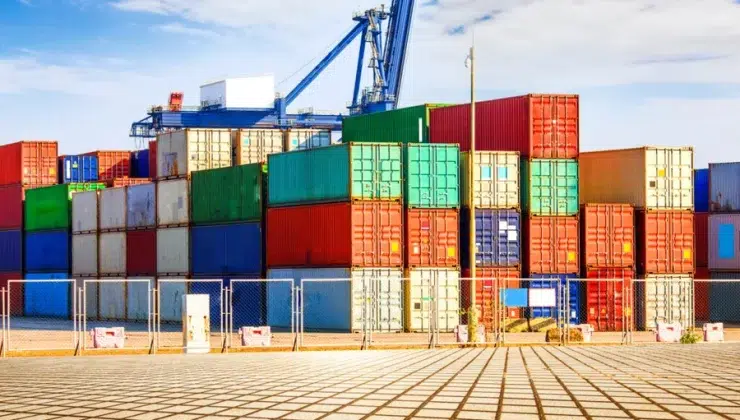
Shipping containers play a crucial role in the global economy. Their standardized design allows companies to move massive volumes of cargo between factories, ports, and distribution centers around the world with consistency and reliability,
How Containers Transformed Global Trade
Before containerization, global shipping was inefficient and prone to error. Individual goods were loaded and unloaded by hand, leading to delays, theft, and damage. The introduction of standardized containers in the mid-20th century marked a turning point. For the first time, cargo could be packed, sealed, and transported in a single, secure unit.
This shift streamlined logistics, reduced costs, and paved the way for large-scale international trade. Manufacturers gained the ability to produce goods wherever it was most cost-effective and distribute them to markets worldwide. Ports, ships, and freight systems were redesigned to accommodate shipping containers, reshaping global logistics into the system we rely on today.
Integration Across Modes of Transportation
The strength of the shipping container lies in its design. They can be moved seamlessly between ships, trains, and trucks without being unpacked or repacked. This efficiency reduces handling time, lowers labor costs, and minimizes the risk of damage or loss. Standardized dimensions also make it easier to coordinate transportation routes and manage equipment capacity.
For example, a container carrying textiles from Vietnam can travel by sea to Long Beach, continue by rail to Kansas City, and complete its journey by truck to a warehouse in Ohio without ever being opened. This continuity allows logistics companies to support the level of precision required for modern, just-in-time supply chain operations.
Responding to E-Commerce Growth
The rapid expansion of e-commerce has forced supply chains to become more efficient and transparent. Retailers and consumers expect to know where their orders are and when they will arrive at regional hubs before being sorted for local delivery. Transporting goods using shipping containers keeps costs manageable and customers informed. Some major e-commerce companies have even invested in their own shipping container fleets to gain more control over capacity, routing, and delivery schedules.
Environmental Responsibility
Container shipping is one of the most efficient ways to move goods over long distances. A single vessel can carry thousands of shipping containers, significantly reducing fuel consumption per unit of cargo compared with air or road transport.
As sustainability becomes a greater focus across industries, shipping containers are part of the solution. Reused and refurbished units extend the life of existing materials, while new container ships employ cleaner fuels and more efficient engines. Used shipping containers are also finding second lives as storage units, offices, and housing, reducing waste and supporting environmental initiatives.
Adaptability in Times of Disruption
Recent global events have underscored how vulnerable supply chains can be to disruption. From port closures to geopolitical tensions, unexpected challenges can cause major bottlenecks. Shipping containers provide flexibility during such unanticipated events.
Because they are modular and easily moved, shipping containers can be rerouted, stored, or redeployed when conditions change. When certain routes become congested or inaccessible, cargo can often be redirected through alternate ports or inland terminals with minimal disruption. This adaptability helps companies maintain business continuity even under difficult circumstances.
Technology and the Future of Shipping Container Logistics
The evolution of shipping container logistics continues to be shaped by technology. Smart containers equipped with sensors now transmit detailed data about their status throughout the shipping journey. These insights allow for better forecasting, improved asset utilization, and reduced losses.
Automation at major container ports is also improving efficiency. Automated cranes, driverless yard vehicles, and digital customs systems have shortened turnaround times and reduced human error. These advancements support faster, more consistent container handling across global trade networks.
Economic and Regional Impact
The benefits of containerized logistics extend beyond global corporations. Container yards like USA Containers’ newest yard near Wichita, Kansas generate local employment, support regional transportation services, and attract additional business activity.
In smaller markets, regional shipping container depots give local manufacturers access to international trade routes without relying solely on major coastal ports. This decentralization helps reduce congestion, balance freight flows, and distribute economic growth more evenly across regions.
Enduring Importance in Global Trade
Despite constant changes in trade policy, technology, and consumer behavior, shipping containers remain a steady and essential component of modern supply chain logistics. Their durability, standardization, and adaptability have made them indispensable to global commerce, ensuring that goods continue to be reliably moved from origin to destination.
Contact USA Containers at 1-877-395-6851 for a free shipping container quote, or send an email describing your container needs to info@usacontainers.co.