Online Streaming Player vs Android Video Player: Understanding the Modern Video Experience
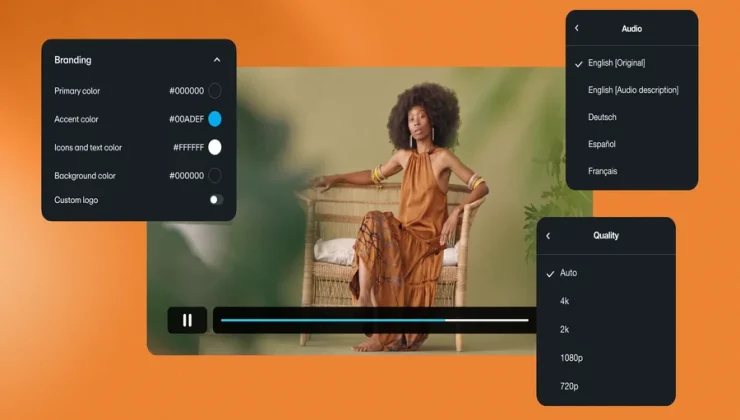
The way we watch videos has evolved dramatically in the last decade. From live events to on-demand content, streaming is now an essential part of our daily lives. Two major components define this experience—the online streaming player, which delivers videos through the web, and the Android video player, which powers playback on millions of mobile devices.
Although both serve the same purpose—playing videos—they operate in different environments and fulfill unique needs. Together, they create the foundation of today’s seamless, device-independent streaming ecosystem.
The Role of an Online Streaming Player
An online streaming player is the core technology behind every modern web-based video experience. It’s responsible for fetching, decoding, and playing videos directly through a browser—without the need for any additional software or plugins.
Unlike traditional downloads, where a file is stored locally, an online streaming player works with streaming protocols like HLS or DASH to deliver content in real time. This means that video data is continuously transferred and buffered, allowing users to start watching almost immediately.
Key features of a modern online streaming player include:
Adaptive bitrate streaming (ABR): Adjusts video quality automatically depending on internet speed.
DRM encryption: Protects content against unauthorized copying or redistribution.
Subtitles and captions: Enhance accessibility for global audiences.
Cross-platform compatibility: Works on browsers, tablets, and even smart TVs.
Analytics integration: Tracks watch time, engagement, and performance for creators or businesses.
Platforms like VdoCipher combine these features into a single solution—offering DRM-protected playback, dynamic watermarking, and reliable CDN delivery for education, OTT, and enterprise video content.
The Android Video Player: Mobile-First Video Experience
While an online streaming player dominates browsers, the Android video player powers the world’s most popular mobile ecosystem. Android’s openness allows developers to integrate video playback into any app—from entertainment to eLearning to social media.
An Android video player is built using the native Android Media Framework or advanced libraries like ExoPlayer. These frameworks allow apps to handle everything from MP4 playback to adaptive live streaming. Because mobile users consume more video content than ever, these players must optimize for battery life, hardware acceleration, and efficient buffering.
Features of a good Android video player include:
Offline playback: Enables users to download and watch videos without internet access.
Gesture controls: Makes seeking, brightness, and volume adjustments intuitive.
Background play: Keeps videos running even when switching apps.
Multi-format support: Handles MP4, HLS, DASH, MKV, and more.
DRM streaming integration: Ensures that licensed or paid content remains secure.
In industries such as eLearning and OTT entertainment, Android apps powered by secure players like VdoCipher’s SDK ensure that videos are not only smooth but also protected from piracy or unauthorized sharing.
How Online Streaming Players and Android Video Players Work Together
In today’s hybrid digital world, users often move between devices—starting a video on their phone, continuing on a laptop, and finishing on a smart TV. This requires a consistent, secure playback experience across all platforms.
Here’s how the two systems complement each other:
Online streaming players handle web browsers, delivering smooth playback through adaptive streaming.
Android video players extend the same functionality into native mobile apps.
Both connect to the same backend—secured by DRM, token-based access, and CDNs—to ensure synchronization and quality.
Analytics from both sources feed into a unified dashboard, giving creators insights into viewer behavior across devices.
The integration of web and mobile playback technologies ensures that content providers can reach audiences wherever they are, without compromising quality or security.
Security and Performance: The Common Ground
As streaming becomes more widespread, protecting premium content is a top priority. Both online streaming players and Android video players now rely on DRM streaming technology to encrypt videos and restrict unauthorized access.
Dynamic watermarking and tokenized URLs further enhance this protection, ensuring that even if a viewer tries to record or share the stream, the source can be traced. This approach is crucial for content creators, educators, and OTT providers who rely on digital revenue.
On the performance side, CDN optimization, caching, and adaptive bitrate streaming ensure that playback remains smooth, even on low bandwidth or fluctuating networks—especially important in mobile-first regions like Asia.
Conclusion
The synergy between the online streaming player and the Android video player defines the modern video experience. Together, they make high-quality, secure, and responsive video delivery possible across every screen.
For creators, educators, and businesses, choosing the right technology stack—such as VdoCipher’s DRM-secured playback solutions—ensures that videos reach audiences without interruptions or security risks.
In a world where streaming is now the primary mode of watching, both online and mobile video players are not just playback tools—they’re the foundation of engagement, trust, and digital growth.