How A Faulty Compressor Impacts AC Performance and Repair Costs
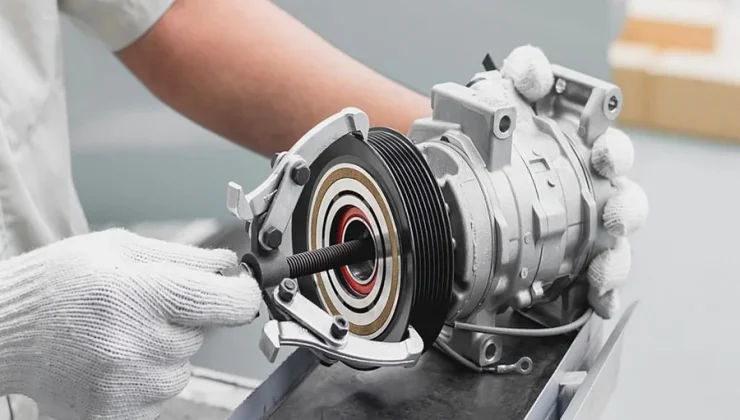
The compressor is the core of any air conditioning system, playing a critical role in cooling efficiency, comfort, and overall performance. When it begins to malfunction, the entire system suffers, leading to poor cooling, higher energy consumption, and increased repair costs. Many homeowners may overlook early warning signs such as strange noises, short cycling, or uneven cooling, unaware that these issues often trace back to compressor problems. Understanding how a faulty compressor affects your air conditioner can help you act early and save on costly repairs. We will explore the specific ways compressor issues disrupt system performance, the warning signs to watch for, and how timely repairs can prevent major expenses in the long run.
The Impact of a Faulty Compressor on AC Efficiency and Repair Costs
-
Reduced Cooling Capacity and Uneven Temperature Control
When the compressor starts to fail, one of the first noticeable signs is a drop in cooling performance. The compressor is responsible for circulating refrigerant between the evaporator and condenser coils, enabling the absorption and release of heat. If it struggles to maintain proper pressure, the refrigerant cannot flow efficiently, leading to weak or uneven cooling across rooms. You might notice certain areas of the home staying warmer even when the thermostat is set low.
This imbalance forces the air conditioner to work longer cycles to reach the desired temperature, putting additional stress on other components. As the workload increases, energy usage spikes, and utility bills rise significantly. If the problem continues unchecked, it can lead to frozen coils or overheating, both of which further damage system components and drive up repair costs. For homeowners seeking reliable AC Repair in Leonardtown, identifying compressor issues early ensures your system maintains consistent cooling without placing unnecessary strain on other parts.
-
Increased Energy Consumption and Higher Utility Bills
A faulty compressor doesn’t just affect temperature—it dramatically impacts energy efficiency. When the compressor fails to compress refrigerant effectively, it must run longer and harder to compensate for the loss in pressure. This constant operation draws more electricity than necessary, turning your air conditioning system into an energy drain. In many cases, homeowners notice their energy bills increasing even though their cooling habits remain unchanged. This inefficiency is often mistaken for normal seasonal variation, but the real culprit is the struggling compressor.
Additionally, the longer operational periods cause excess wear on the motor and other mechanical parts, shortening their lifespan. The result is not only higher monthly costs but also the potential need for premature component replacements. By recognizing the link between compressor health and energy efficiency, homeowners can address issues before they escalate into costly energy waste or equipment failure.
-
Strain on Other AC Components and Chain-Reaction Failures
The compressor does not operate in isolation—it’s the driving force behind the entire air conditioning cycle. When it becomes inefficient or fails, other system components must compensate to maintain performance. For example, the evaporator coil may overwork to absorb more heat, or the condenser fan may run excessively to expel it. This imbalance often leads to secondary failures, such as burnt-out motors, refrigerant leaks, or clogged filters. Each of these issues compounds the repair cost and can make the system unreliable.
In severe cases, a faulty compressor may even send debris or contaminated oil through the refrigerant lines, damaging other parts of the system. This contamination can be expensive to clean and may require a complete system flush or replacement. Addressing compressor problems quickly prevents this domino effect, helping preserve the integrity of the entire air conditioning unit and reducing the likelihood of multiple repair expenses over time.
-
Frequent Cycling and Overheating Risks
Another common effect of compressor malfunction is short cycling, where the system turns on and off more frequently than normal. Short cycling not only reduces comfort but also accelerates wear on electrical components and the compressor itself. This pattern can occur when the compressor struggles to maintain pressure or becomes overheated due to restricted airflow, dirty coils, or refrigerant issues. Overheating further degrades the motor’s insulation, causing eventual burnout. Each restart of the compressor draws a high surge of electricity, adding stress to the electrical system and increasing operational costs.
Moreover, overheating can trigger safety switches, shutting down the unit unexpectedly and leaving your home uncomfortable during hot weather. Routine maintenance and inspection can help detect these patterns early, allowing technicians to diagnose whether the issue stems from the compressor or related components. Timely repair or replacement prevents further overheating, reduces wear, and restores normal system function before more costly damage occurs.
-
Repair Costs and Long-Term Financial Implications
Compressor repairs or replacements are among the most expensive air conditioning services. Because the compressor functions like the heart of the system, its failure often means the rest of the unit cannot operate effectively. Minor issues such as damaged electrical contacts, faulty capacitors, or refrigerant imbalances may be repairable at a reasonable cost. However, if the compressor itself seizes or suffers internal damage, replacement might be the only option. In such cases, homeowners must weigh whether it’s worth replacing the compressor alone or upgrading the entire system, especially if the AC unit is older.
A new compressor installation can range from a few hundred to several thousand dollars, depending on the system type and size. Investing in preventive maintenance—such as cleaning coils, checking refrigerant levels, and inspecting electrical components—can significantly reduce the risk of major compressor failure. Understanding these cost implications helps homeowners plan ahead and avoid unexpected financial strain when repair decisions arise.
-
Preventive Maintenance as a Solution to Compressor Failure
The most effective way to avoid costly compressor repairs is through consistent maintenance and timely intervention. Regular servicing ensures the refrigerant level remains balanced, airflow stays unobstructed, and components operate within their designed temperature range. Technicians can detect early signs of compressor stress, such as irregular noise, high amperage draw, or temperature inconsistencies. Addressing these minor issues promptly prevents them from escalating into full-scale compressor failure.
Additionally, using clean filters and maintaining the outdoor unit’s clearance improves airflow and reduces the risk of overheating. Many homeowners underestimate how small maintenance tasks can protect major system components. Establishing a professional maintenance schedule ensures your compressor and the entire system perform efficiently year after year, saving on both energy costs and repair bills. Preventive care not only extends the lifespan of the compressor but also maintains optimal indoor comfort throughout every season.
A faulty compressor can transform a reliable air conditioning system into a costly, inefficient burden if left unaddressed. From uneven cooling and increased energy usage to strain on other components and potential system failure, the compressor’s health determines the AC’s overall performance. By recognizing early warning signs, scheduling regular maintenance, and addressing minor issues promptly, homeowners can avoid the heavy financial and comfort-related consequences of compressor failure.