Flatbed Equipment in the U.S. Commercial Transportation
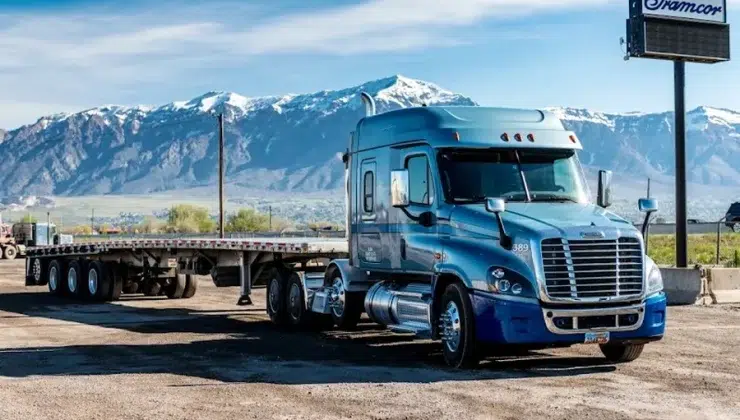
Flatbed trucking is one of the most versatile and essential sectors in the U.S. commercial transportation industry. It plays a critical role in moving heavy, oversized, and unconventional freight—materials that cannot fit inside standard dry van trailers. From construction beams and steel coils to large machinery and building supplies, flatbed equipment ensures that the backbone of American industry keeps moving efficiently.
Understanding the types of flatbed equipment and how they are used is crucial for anyone involved in logistics, dispatching, or trucking operations.
Flatbed trucks are very profitable because of the high average price for load, especially with flatbed dispatch service, learn more: https://caravandispatch.com/flatbed/
What Makes Flatbed Trucks Unique
Flatbed trucks are designed for open-deck hauling, meaning they do not have walls or roofs like enclosed trailers. This design allows for easy loading and unloading from the sides or above using cranes or forklifts. Flatbeds are ideal for cargo that is too tall, wide, or irregularly shaped for enclosed trailers.
Their open structure gives flexibility, but it also requires extra attention to safety, as loads must be properly secured with straps, chains, and tarps to meet federal cargo regulations. Drivers who operate flatbed trucks often undergo specialized training to ensure that freight remains stable and compliant during transit.
Common Types of Flatbed Trailers
The U.S. trucking industry uses several types of flatbed trailers, each designed for specific freight needs. Choosing the right one can directly impact safety, compliance, and profitability.
Standard Flatbed Trailer
The standard flatbed is the most widely used model in commercial transportation. Typically measuring 48 to 53 feet in length, it can carry up to 48,000 pounds. Its open deck allows for quick loading and unloading, making it suitable for construction materials, pallets, pipes, and large equipment.
Step Deck (Drop Deck) Trailer
A step deck, also known as a drop deck trailer, features two levels: a higher front deck and a lower rear deck. The design allows the transport of taller cargo that would exceed height restrictions on a standard flatbed. Step decks are commonly used for machinery, industrial components, and oversized freight that still fits within legal height limits.
Double Drop Trailer
For even taller loads, double drop trailers offer an additional lowered middle section known as a “well.” This structure enables hauling of freight up to 11 or 12 feet tall while keeping within legal height restrictions. Heavy equipment, construction machines, and industrial tanks are often transported using this type of trailer.
Removable Gooseneck (RGN) Trailer
The RGN trailer is designed for hauling extremely heavy or oversized equipment. Its front section detaches, allowing machinery to be driven directly onto the trailer. This makes it ideal for hauling bulldozers, tractors, and other self-propelled machines. RGN trailers can carry loads weighing over 100,000 pounds, depending on the configuration and axle count.
Extendable Flatbed Trailer
An extendable flatbed is used for freight that exceeds standard trailer lengths, such as long pipes, wind turbine blades, or large beams. The trailer can extend up to 80 feet or more to accommodate oversized cargo while remaining stable and balanced during transit.
Essential Flatbed Accessories and Load Securement
Transporting open-deck freight requires the right equipment for safety and compliance. Flatbed operators rely on a range of accessories to secure cargo effectively.
Straps, Chains, and Binders
Heavy-duty ratchet straps, chains, and binders are essential for holding freight in place. The Federal Motor Carrier Safety Administration (FMCSA) requires specific tie-down standards depending on load weight and type. Using the right number and strength of securements helps prevent cargo movement and ensures safety on the road.
Tarps and Corner Protectors
To protect freight from weather and road debris, drivers use tarps—made from vinyl or canvas—and corner protectors to prevent straps from damaging cargo. Proper tarping also enhances the professional appearance of the load and can improve client trust.
Winches and Dunnage
Mounted winches help tighten straps quickly, while dunnage (wooden spacers) provides elevation and support for uneven cargo. These tools make loading faster, safer, and more compliant with industry regulations.
Maintenance and Safety Considerations
Flatbed equipment endures heavy use and must be inspected regularly. Drivers should check for signs of wear on straps, chains, and trailer decks before every trip. Brake systems, tires, and lights must also be in top condition to pass Department of Transportation inspections.
Safety extends beyond the equipment itself—proper training in load securement and awareness of bridge heights, weight limits, and route restrictions are all vital for safe flatbed operations.
The Role of Flatbed Equipment in Modern Logistics
Flatbed equipment continues to evolve with new materials and technologies that improve durability and efficiency. Lightweight aluminum trailers reduce fuel consumption, while advanced load monitoring systems help track securement and prevent accidents.
As infrastructure projects and manufacturing demand grow across the U.S., the flatbed sector remains a cornerstone of national logistics. From coast to coast, these open-deck rigs deliver the materials that keep cities, industries, and economies moving forward.
Conclusion
Flatbed equipment is more than just a transportation tool—it is a critical link in the U.S. supply chain. With diverse trailer options, advanced securement tools, and increasing demand for heavy freight transport, flatbed trucking continues to play a central role in commercial logistics. For carriers, dispatchers, and drivers who understand how to use this equipment effectively, the opportunities in the flatbed industry are both vast and profitable.