Shade Sails for Decks and Patios: A Stylish Alternative to Umbrellas
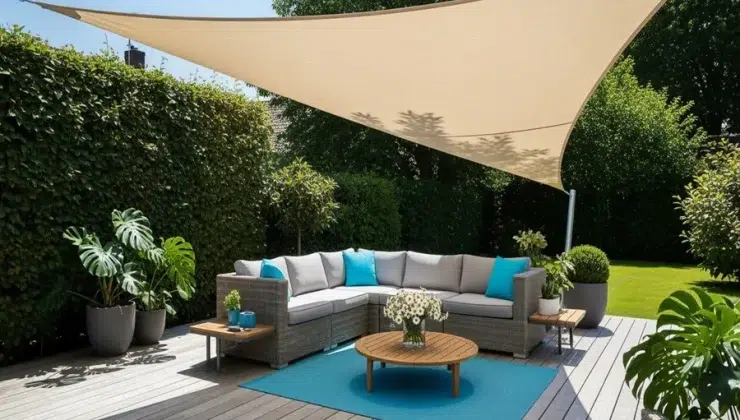
If you want to make your deck or patio cooler and more comfortable but find patio umbrellas bulky or too limited, consider using shade sails. These fabric covers look modern and protect well from the sun, becoming a popular replacement for standard umbrellas. They fit many outdoor styles and make areas more relaxing and attractive.
More and more homeowners are using shade sails to make the most of their outdoor spaces without losing out on style, comfort, or affordability. Unlike a typical umbrella that stands in a single spot, a shade sail can stretch between posts, walls, or trees, giving you flexible placement.
Shade sails can be set up in different ways to suit the shape of your space, offering better coverage and a modern look that umbrellas can’t beat.
What Are Shade Sails for Decks and Patios?
A shade sail is a large piece of fabric attached at its corners to create shade in outdoor areas. Picture a sail from a boat, but instead of catching wind, it blocks sunlight overhead.
These products are made from tough, UV-resistant fabric such as high-density polyethylene (HDPE) or waterproof canvas. Their main job is to keep out dangerous ultraviolet (UV) rays and make the ground underneath noticeably cooler and more pleasant.
How Are Shade Sails Different From Patio Umbrellas?
There are a few big differences between shade sails and umbrellas that go beyond how they look. Umbrellas are meant to be portable and quick to use, but they don’t shade a very large area and can be pushed over easily in strong winds. The center pole of an umbrella also takes up space and can get in the way of your furniture.
Shade sails give more shade and can fit almost any space since they use different anchor points. They don’t need a pole in the middle, so your floor area stays open and clear.
Because of how they are stretched and attached, shade sails handle wind better, and you can arrange them in different combinations for more coverage or to match your home’s style. Plus, their simple, sturdy look gives a lasting upgrade to your patio or deck that umbrellas don’t provide.
Main Features of Modern Shade Sails
Today’s shade sails are made to work well and look good. The most important part is the fabric, usually a UV-resistant HDPE, which can block most UV rays (90%+). Many of these fabrics are also breathable, letting air move through and stopping heat from getting trapped, unlike the thick fabric of many umbrellas.
Common features include reinforced edges, strong webbing, and a curved inward shape at the sides. This shape isn’t just for style-it keeps the fabric stretched evenly and helps prevent sagging or flapping in the wind.
The corners have metal D-rings or sturdy eyelets so you can attach ropes, turnbuckles, or other hardware to keep the sail tight. Shade sails come in many colors and can be bought in sizes that fit your specific needs.
Why Pick Shade Sails Over Umbrellas?
Shade sails come with a list of advantages that make them a better fit than patio umbrellas in lots of situations, from appearance and sun safety to practical use in your outdoor area.
Stylish Looks for Outdoor Spaces
One reason people like shade sails is because they look fresh and modern. They can turn an ordinary patio into a stylish and inviting space. With over 70 fabric colors and different shapes (like triangles, rectangles, or squares), they give you plenty of options. You can choose light shades to keep things cool or bright colors for a bold statement.
Mixing several sails with different shapes or colors can make your patio look more interesting. The stretched fabric lines look neat and open, which most umbrellas can’t match, so they work well with all kinds of home styles.
Better Protection From the Sun
HDPE shade sails are made to block most dangerous UV rays-usually 90% or more, sometimes up to 98%-which helps protect your skin and eyes and prevents sunburn. Shade sails can cover a larger area more evenly than umbrellas, giving better protection to you and your outdoor furniture from the sun.
Saves Space
Since shade sails attach to existing walls, posts, or trees, you don’t need a big pole or heavy base like you do with umbrellas. This means you get more free space for furniture or activities. For smaller decks, this can make the entire patio feel roomier.
Good Wind Resistance and Strength
Shade sails hold up well in the wind, much better than most umbrellas which can blow over. Their reinforced edges and curved sides spread out the force from wind instead of letting it focus in one spot.
High-quality shade sails can stand up to wind gusts of around 90 mph if installed properly. The tough fabric and strong seams help them last a long time. However, it’s still smart to take your sails down if a serious storm is coming, especially where hurricanes or blizzards happen.
Easy to Care For
Shade sails don’t need much maintenance. The HDPE fabric resists mold and mildew, and rain passes through it instead of building up. Just rinse them off with a hose once in a while to keep them clean. Unlike umbrellas, which need to be opened and closed every day, you can often leave shade sails up for months at a time.
Types of Shade Sails for Decks and Patios
Shade sails can be bought in several styles, shapes, and materials, making it easy to match your needs and preferences.
Triangle vs. Rectangle Shade Sails
| Shape | Advantages | Best Use |
| Triangle | Easy to set up (3 anchor points), looks sleek, good for small spaces or layering | Partial coverage, accent areas |
| Rectangle/Square | Covers more area, best for large decks or patios | Full coverage of large areas |
Rectangle sails provide more coverage but may need careful installation to stay tight and avoid sagging. Triangle sails are easier to put up and combine for creative looks, but cover less space overall.
Waterproof vs. Permeable Fabrics
- Permeable (HDPE) fabric: Lets air and rain pass through, stopping heat buildup. Great for warm, dry seasons; does not collect water.
- Waterproof fabric: Stops rain but needs to be installed at an angle so water runs off and doesn’t pool. Good for places where you want to stay dry under the sail, but requires careful setup.
Custom vs. Pre-made Shade Sails
- Pre-made: Comes in standard shapes and sizes, easy to find and install quickly.
- Custom: Made to fit your exact space, shape, and color preference. Good if your area is oddly shaped or if you want more fabric options, but takes more time and may cost more.
Comparing Shade Sails to Other Shade Options
Besides umbrellas and shade sails, other choices include pergolas, awnings, and full patio covers:
- Pergolas: Open frameworks (usually wood or metal), can be covered with plants or fabric, permanent and often pricier than sails. Good for a permanent outdoor room look, but don’t shade as evenly as a sail.
- Awnings: Fabric covers attached to the wall, can be retracted as needed, but limit shade to areas next to the house and are often more expensive than sails.
- Patio covers: Roof-like structures, the most substantial and offering all-weather protection, but also the most costly and permanent-almost like building an extra room.
Shade sails sit between umbrellas and big construction projects-flexible, not too expensive, and more versatile than awnings or pergolas.
When Shade Sails Are the Best Choice
Shade sails are perfect if you want a modern look, need to cover a space with an unusual shape, or want to shade a big area without several umbrellas. They’re flexible-you can take them down or move them, which is harder with permanent options.
If you want to keep costs down while still getting plenty of shade and style, shade sails are an excellent choice.
Things to Think About Before Buying a Shade Sail
- Size & Shape: Measure the area you need to cover and pick a shape that fits. Triangles are easy to use but cover less; rectangles cover more. Don’t forget to leave 1.5-2 feet extra space on each side for hardware.
- Fabric Quality & UV Block: Look for sails made from HDPE with a UV block rating of 90% or better. The fabric’s GSM (grams per square meter) tells you its thickness-under 200 GSM is light, 300+ GSM is heavy-duty for long-term use.
- Weather Resistance: Choose sails with reinforced seams and strong metal rings at the corners. For places with harsh winters or storms, plan to take the sail down during bad weather.
- Attachment Points: Find strong places to attach the corners, such as posts, walls, or trees. These must be sturdy enough for the weight and wind. Install some corners higher for rain runoff, especially with waterproof sails.
- Color & Style: Pick colors that match your outdoor space. Lighter shades reflect heat, darker ones may feel warmer. You can also layer different shapes or colors for a creative look.
How to Install Shade Sails on Decks and Patios
Installing a shade sail is simple with the right tools and a careful approach:
What You Need
- Shade sail
- Hardware kit (turnbuckles, snap hooks, D-shackles, wall/pole mounts)
- Measuring tape, marker, drill, wrench/pliers, level, digging tools (if using poles), concrete (for posts)
Step-by-Step Installation
- Planning and Measuring: Measure your space and make marks for attachment points, leaving extra space for hardware. Aim for a sloped install if using waterproof fabric.
- Anchor Points: Install hardware and posts securely. Poles should be deep in the ground and set in concrete, angled slightly outwards to handle tension.
- Connect Hardware: Attach turnbuckles and hooks to the sail’s corners.
- Mount Sail: Lift the sail into position and connect each corner to its anchor point.
- Tension: Tighten each turnbuckle evenly. The goal is a smooth, tight sail with no wrinkles. Adjust as needed over time.
Common Mistakes to Avoid
- Leaving the sail loose, causing sagging and water pooling.
- Not measuring carefully and forgetting space for hardware.
- Not giving waterproof sails enough slope, which causes water to collect.
- Using cheap or incorrect hardware; always use stainless steel to prevent rust.
Shade Sail Maintenance and Care
Regular Maintenance
- Check tension and anchor points every few months.
- Take the sail down before big storms or in snowy winters.
- Look for signs of wear in hardware and fabric, and fix problems early.
Cleaning & Storage
- Rinse the sail with a hose to remove dust and dirt.
- For tough stains, use mild soap with a soft brush-no harsh cleaners.
- Make sure the sail is dry before taking it down and storing it.
- Fold or roll the sail and keep it in a cool, dry spot in a fabric bag or similar storage container.
Frequently Asked Questions About Shade Sails
Are Shade Sails Waterproof?
Most HDPE shade sails let water through and are not fully waterproof. Some special models use coated fabric that blocks rain, but these need to be angled to avoid water pooling.
How Long Does a Shade Sail Last?
With good fabric and proper care, shade sails can last 5-10 years. Heavy fabric (over 300 GSM) may last even longer. Sun, wind, and general exposure will affect lifespan. Taking the sail down during rough weather helps it last.
Can Shade Sails Handle Strong Winds?
Yes, most quality sails are made to withstand wind up to about 90 mph if installed tightly and anchored well. However, take the sail down if very strong storms or hurricanes are expected.
How Do You Measure for a Shade Sail?
Decide which area to cover and find sturdy anchor points. Measure between these points, remembering to allow 1.5-2 feet on each side for mounting hardware. Sail sizes are measured from D-ring to D-ring.
Summary: Why Choose Shade Sails for Your Outdoor Space?
Shade sails are a smart, practical, and stylish replacement for traditional patio umbrellas. They give you more options for shade, add modern style to any yard, and are simple to care for. With many shapes, sizes, and colors, you can get exactly the look and coverage you want-often at a lower price and with easier installation than big permanent structures.
With a little planning and regular upkeep, a shade sail will offer reliable shade and boost the appearance of your deck or patio for many seasons.