7 Critical Evidence Pieces You Need After a Richmond Crash
Richmond, Virginia, is a city full of history and charm, from the James River and its white-water rapids to historic neighborhoods and colonial architecture. With museums, parks, local eateries, and friendly communities, Richmond combines small-city comfort with big-city experiences.
Yet, even in such a vibrant city, accidents can happen unexpectedly. If you’re hurt in a car accident, having the right help is crucial, which is why reaching out to Monge & Associates Richmond car accident lawyers can make all the difference. Their experience ensures your rights are protected and your case is handled efficiently, giving you confidence and peace of mind.
Understanding which evidence matters most after a crash can greatly impact your claim. Gathering proper documentation and proof early sets the foundation for a strong case. Below, we’ll walk you through seven critical pieces of evidence you need after a Richmond crash.
1. Police Reports
The police report is the backbone of any car accident case. It records key details that can help establish what happened and who was responsible.
- Who was there: Names, addresses, insurance details, and license numbers.
- When and where: Exact location, time, and weather conditions at the time of the crash.
- What happened: A diagram showing how vehicles collided, along with notes on damage and injuries.
- Other information: Road hazards, traffic signs, or anything unusual about the accident scene.
Obtaining a copy quickly is important so any errors can be corrected immediately. The report ensures that even if the other driver withholds information, you have an official record.
2. Photographic and Video Evidence
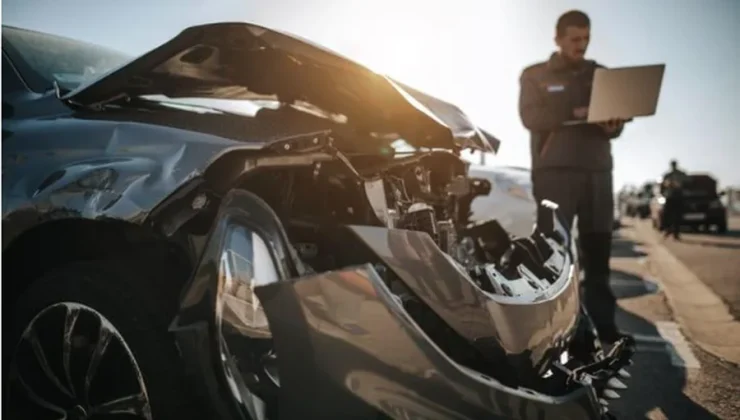
Photos and videos provide clear visual proof of the crash and its aftermath. Your phone is a valuable tool for documenting the scene safely.
- Take pictures of your car, other vehicles, license plates, skid marks, debris, and injuries.
- Record videos showing vehicle positions, driver behavior, or surrounding hazards.
- Check for security cameras in the nearby stores, traffic signals, or parking areas that might have captured the accident.
Visual evidence is powerful in showing exactly what occurred and can complement police reports or eyewitness statements.
3. Eyewitness Statements
Eyewitnesses provide firsthand accounts that can confirm the facts of a crash. Their statements can be valuable in court if there are disputes.
- Collect names, phone numbers, and emails of witnesses.
- Ask for written statements if possible, or have a friend gather their details if you’re hospitalized.
These testimonies act as an independent backup to support your version of events.
4. Physical Evidence
Objects at the accident scene often tell the story better than words. Physical evidence helps reconstruct the crash accurately.
- Skid marks show braking or evasive maneuvers.
- Debris, broken glass, or car parts indicate impact severity.
- Road hazards, potholes, or guardrail damage can prove environmental factors.
Lawyers can use these details to create diagrams or computer simulations of the accident.
5. Vehicle Event Data Recorders
Modern vehicles often have event data recorders (EDRs), like black boxes, that log crash data. These records are objective proof of what happened.
- Speed before the crash.
- Braking and steering actions.
- Impact forces and collision timing.
EDRs are reliable tools to confirm or refute claims about speed or control at the moment of impact.
6. Technology and Social Media Clues
Digital footprints often reveal critical information about an accident. Phones, GPS, and social media posts can provide unexpected evidence.
- Cellphone records may show texting while driving.
- GPS logs confirm vehicle routes and speed.
- Social media posts can capture reactions or admissions immediately after a crash.
- Weather reports confirm conditions at the time of the accident.
Combining these digital clues strengthens your case by providing an extra layer of verification.
7. Medical Records and Expert Opinions
Medical documentation is crucial to prove the extent of injuries and long-term effects. Expert testimony can also validate the connection between the accident and your injuries.
- Hospital records and physician notes detailing treatment and diagnoses.
- Diagnostic reports like X-rays, MRIs, or CT scans.
- Expert opinions linking injuries to the accident rather than pre-existing conditions.
Key Takeaways
- Police reports are the foundation of any car accident case.
- Photos, videos, and security footage provide undeniable visual proof.
- Eyewitness and expert statements support your version of events.
- Digital evidence like GPS and social media posts can reveal hidden details.
- Medical records and EDR data confirm injuries and crash dynamics.