Replacement Parts Checklist for Used Cars
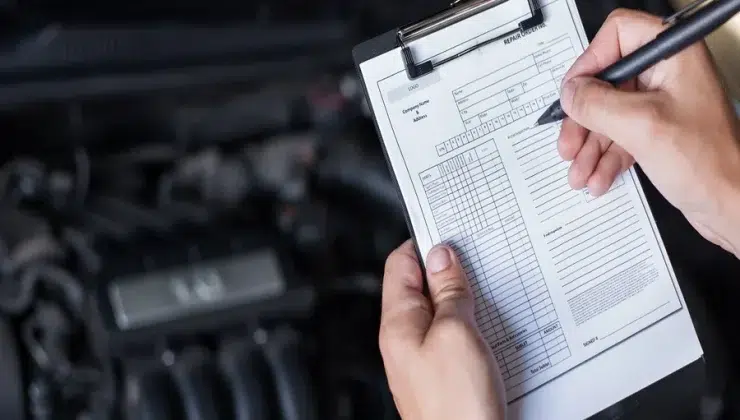
Buying a used car is often a smart investment, but it comes with a catch: you don’t always know the vehicle’s full history. Even with maintenance records, some parts may be worn or outdated, requiring replacement to ensure safety and reliability. By running through a checklist of common replacement parts, you’ll know exactly what needs attention before hitting the road with confidence.
From a sturdy car hood latch to dependable brakes and lights, addressing these essentials early helps you avoid breakdowns and adds peace of mind.
Safety Tools On Hand For Emergencies
- Hood Latch System
The hood latch keeps your hood securely closed while driving. A faulty latch could cause the hood to pop open unexpectedly, obstructing your view and creating a major hazard. Replacing an unreliable latch is one of the simplest ways to ensure safety. - Jack Stands and Safety Equipment
If you plan to do any work on your used car, proper safety tools are a must. Relying on a jack alone is dangerous; using automotive jack stands ensures the car stays securely elevated during repairs. Gloves, safety glasses, and a reliable toolkit should also be part of your emergency prep. - Brakes and Brake Components
Worn pads, rotors, or hoses are common on older cars. Inspecting and replacing them ensures strong stopping power. A brake system check should be one of your first steps after purchasing a used vehicle. - Tires and Spare
Check tread depth, sidewall condition, and pressure on all tires, including the spare. Old or unevenly worn tires compromise handling, especially in wet or icy conditions. - Battery and Cables
Car batteries typically last three to five years. If you don’t know the age of the battery, consider testing or replacing it right away. Inspect cables for corrosion and ensure connections are secure.
When to Upgrade Safety-Related Parts
- Headlights and Lighting Systems
Lighting is one of the most critical safety features of your car. Dim, yellowed, or cracked headlights reduce visibility and make it harder for other drivers to see you. Upgrading to modern car headlights improves both safety and style. Don’t forget to test turn signals, brake lights, and interior lights as well. - Suspension and Steering
Suspension components like shocks, struts, and bushings wear over time. Worn suspension affects handling and comfort, while steering components like tie rods and ball joints directly impact vehicle control. Replacing them ensures a smoother and safer ride. - Belts and Hoses
Rubber parts degrade with age, even if the car has low mileage. Cracked belts or brittle hoses can break unexpectedly, leaving you stranded. Replacing these inexpensive components prevents bigger problems. - Cooling System
Used cars may come with radiators or water pumps that are nearing the end of their lifespan. Inspect coolant hoses, thermostat, and radiator for leaks or corrosion. Overheating is a common issue in older cars and can be prevented with timely upgrades. - Emergency Tools and Essentials
Besides mechanical upgrades, keep a roadside kit with jumper cables, a flashlight, and basic tools. Having these on hand ensures you’re prepared for unexpected breakdowns or emergencies.
Final Thoughts
A used car can be a great deal, but only if it’s backed by reliable parts and smart maintenance. From the hood latch to the brakes, tires, and headlights, inspecting and upgrading safety-related parts ensures peace of mind. By keeping essential tools like jack stands and an emergency kit on hand, you’re ready for both routine upkeep and roadside surprises.
With a clear checklist, you’ll not only protect your investment but also drive with confidence knowing your vehicle is as safe and reliable as possible.