How Software-Defined Vehicles Are Transforming the Way We Drive
The automotive industry is experiencing a fundamental paradigm shift as vehicles transition from hardware-centric machines to software-defined platforms that can evolve and improve throughout their operational lifetime. This transformation represents more than incremental technological advancement; it constitutes a complete reimagining of vehicle architecture, functionality, and the relationship between manufacturers and customers. Software-defined vehicles (SDVs) leverage advanced computing platforms, centralized architectures, and sophisticated software stacks to enable capabilities that were previously impossible with traditional automotive designs.
The Architecture Foundation of Software-Defined Vehicles
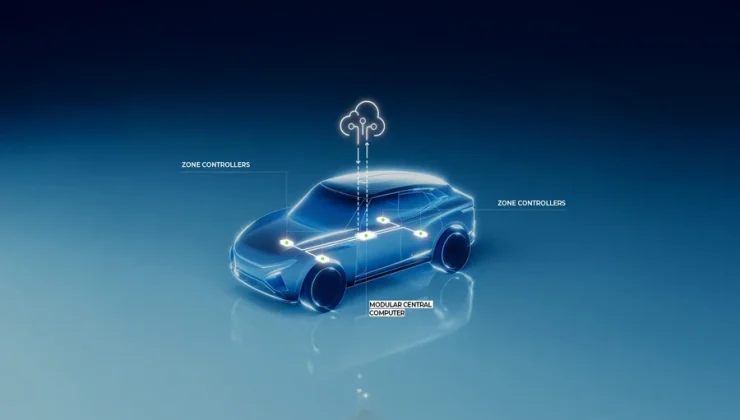
Software-defined vehicles require fundamentally different architectural approaches compared to traditional automotive designs. Rather than distributed electronic control units with fixed functionality, SDVs employ centralized computing platforms that can run multiple applications simultaneously while sharing resources efficiently. These high-performance computing units serve as the brains of modern vehicles, orchestrating everything from basic vehicle functions to advanced artificial intelligence applications.
The centralized architecture enables unprecedented flexibility in feature deployment and system optimization. Vehicle functions that previously required dedicated hardware can now be implemented as software applications running on shared computing platforms. This approach reduces hardware complexity, improves cost efficiency, and enables rapid development and deployment of new features without requiring physical modifications to vehicle systems.
Advanced communication networks within SDVs support high-bandwidth data transmission between sensors, actuators, and computing systems. Automotive Ethernet, high-speed CAN networks, and other modern communication protocols ensure that software applications can access real-time data from throughout the vehicle while maintaining the low-latency performance required for safety-critical functions.
Continuous Improvement Through Remote Updates
One of the most transformative aspects of software-defined vehicles is their ability to receive and install improvements remotely (over the air, or OTA) without requiring service center visits. OTA software delivers new features, performance enhancements, security patches, and bug fixes directly to vehicles wherever they are and in real time. This capability transforms vehicles from static products into dynamic platforms that can evolve continuously based on technological advances and customer feedback.
The impact of remote update capabilities extends far beyond simple software patches. SDVs can receive entirely new applications, enhanced autonomous driving capabilities, improved user interfaces, and performance optimizations that significantly enhance vehicle value and functionality. This continuous improvement model creates ongoing relationships between manufacturers and customers while enabling rapid deployment of innovations across entire vehicle fleets.
Electric vehicles particularly benefit from remote software updates that can optimize battery management algorithms, improve energy efficiency, and enhance charging performance based on real-world usage data and technological advances. These updates can extend vehicle range, reduce charging times, and improve battery longevity through refined management strategies that were not available at the time of manufacture.
Advanced Feature Deployment and Customization
Software-defined vehicle platforms enable manufacturers to deploy advanced features and capabilities that can be customized based on individual customer preferences and usage patterns. Machine learning algorithms can adapt vehicle behavior to match driver preferences, optimize performance for specific usage scenarios, and provide personalized recommendations that enhance the ownership experience.
Autonomous driving capabilities represent perhaps the most compelling application of SDV architecture, as self-driving algorithms require sophisticated software platforms that can process massive amounts of sensor data in real-time. The ability to continuously update and improve autonomous driving software through remote updates enables manufacturers to enhance safety and performance as the technology evolves.
Advanced driver assistance systems benefit significantly from the flexibility provided by software-defined platforms. New safety features, improved object detection algorithms, and enhanced decision-making capabilities can be deployed through software updates rather than requiring hardware modifications. This approach enables rapid deployment of safety improvements across entire vehicle fleets.
Integration with Cloud Services and Ecosystem Partnerships
Software-defined vehicles can leverage cloud computing resources to extend their capabilities beyond what is possible with onboard systems alone. Cloud integration enables access to real-time traffic information, weather data, mapping updates, and computational resources for complex analysis that would be impractical to perform entirely within the vehicle.
The connectivity inherent in SDVs also enables integration with smart home systems, mobile devices, and other connected technologies that enhance the overall user experience. Vehicles can coordinate with home automation systems, synchronize with personal calendars, and provide seamless continuation of digital experiences between different environments.
Ecosystem partnerships become increasingly important as software-defined vehicles integrate with broader technology platforms. Collaboration with technology companies, service providers, and application developers enables manufacturers to offer comprehensive digital experiences that extend beyond traditional automotive functionality.
Security and Safety Considerations
The software-centric nature of SDVs creates new security and safety challenges that require sophisticated approaches to cybersecurity and system validation. Remote update capabilities must be protected against unauthorized access while maintaining the ability to deploy critical safety updates quickly when necessary.
Multi-layered security architectures protect against various attack vectors while maintaining system performance and functionality. Secure boot processes, encrypted communications, and authenticated software updates ensure that only authorized modifications can be made to vehicle systems.
Safety validation becomes more complex in software-defined vehicles where functionality can be modified through remote updates. Comprehensive testing and validation processes must ensure that software updates maintain safety requirements while delivering intended improvements.
Business Model Transformation and Future Implications
Software-defined vehicles enable new business models that extend beyond traditional vehicle sales to include ongoing software services, feature subscriptions, and performance upgrades. Manufacturers can generate recurring revenue through software offerings while providing continuous value to customers throughout vehicle ownership.
The transformation to software-defined vehicles represents a fundamental shift in automotive competition, where software capabilities and update frequency become key differentiators rather than traditional hardware specifications. This evolution creates opportunities for new market entrants while challenging established manufacturers to develop software expertise and agile development processes that enable rapid innovation and deployment.