Common Problems Identified During Routine HVAC Service
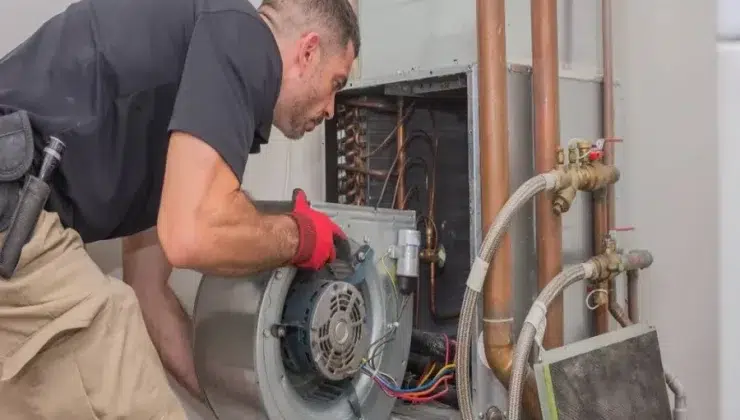
Routine HVAC service is one of the most effective ways to ensure heating and cooling systems run smoothly throughout the year. While homeowners often notice when their system fails completely, many underlying issues develop gradually and can be detected during regular checkups before they turn into costly repairs. Routine service not only extends the lifespan of equipment but also improves energy efficiency and indoor comfort. We will explore some of the most common problems that trained technicians uncover during routine inspections and why addressing them promptly matters for both safety and long-term savings.
Frequent Issues Found in HVAC Maintenance
-
Dirty or Clogged Air Filters
One of the most common problems discovered during routine HVAC service in Vancouver WA for homes is a dirty or clogged air filter. Air filters are essential for trapping dust, pollen, pet dander, and other airborne particles, keeping the air cleaner inside the home. When filters become clogged, airflow is restricted, making the system work harder to circulate air. This added strain reduces efficiency, increases energy bills, and can even cause components to overheat or fail prematurely. A dirty filter also lowers indoor air quality, which can aggravate allergies or respiratory conditions. During maintenance, technicians typically inspect the filter and recommend replacement if it shows buildup. Regular filter changes, typically every one to three months depending on usage, can prevent this issue from developing and ensure smooth operation.
-
Refrigerant Leaks and Low Levels
Another issue frequently identified during service is low refrigerant levels, often caused by leaks. Refrigerant is the substance that absorbs and transfers heat, allowing an HVAC system to cool indoor air effectively. When refrigerant runs low, cooling performance declines significantly, and the system may struggle to maintain the desired temperature. Low levels also force the compressor to work harder, increasing wear and risk of failure. Refrigerant leaks can sometimes be hard to detect without proper tools, but signs such as ice on the coils or hissing noises can point to the problem. A technician will usually check refrigerant pressures and inspect for leaks during routine service. Repairing leaks and restoring proper levels not only restores performance but also prevents environmental harm, as refrigerants can negatively affect the atmosphere if not handled correctly.
-
Dirty Evaporator and Condenser Coils
The evaporator and condenser coils are critical for heat transfer in an HVAC system, but they easily accumulate dirt, dust, and grime over time. The evaporator coil absorbs heat indoors, while the condenser coil releases it outside. If either coil is dirty, heat transfer becomes inefficient, causing the system to consume more energy to achieve the same cooling or heating results. In severe cases, dirty coils can lead to overheating, freezing, or even complete breakdown. Regular maintenance often includes coil cleaning, ensuring smooth heat exchange and preserving system efficiency. A buildup on these coils can occur gradually and may go unnoticed by homeowners, but it significantly impacts energy bills and comfort. Keeping coils clean not only improves system performance but also reduces the likelihood of costly repairs down the line.
-
Thermostat Issues and Calibration Problems
Thermostats play a vital role in regulating temperature, but they are also a common source of HVAC problems discovered during service. If a thermostat is not calibrated correctly, the system may run longer than necessary or fail to reach the set temperature, leading to discomfort and wasted energy. Older or faulty thermostats may also struggle to communicate with newer systems, causing erratic operation. During a service check, technicians often test thermostat settings and calibration to ensure they accurately reflect room temperature. In some cases, upgrading to a programmable or smart thermostat is recommended to enhance efficiency and control. Even small calibration errors can result in uneven heating or cooling throughout the home. Ensuring that the thermostat works correctly is a relatively simple fix but one that makes a noticeable difference in both comfort and operating costs.
-
Blocked or Leaking Ductwork
Air ducts distribute conditioned air throughout a home, but problems such as leaks, blockages, or poor connections are often uncovered during maintenance. Leaking ducts can cause conditioned air to escape into unoccupied spaces like attics or crawlspaces, reducing efficiency and increasing energy bills. Blockages from dust, debris, or even pests can further restrict airflow, making rooms feel unevenly heated or cooled. In fact, many homeowners blame their HVAC system when comfort issues actually stem from ductwork problems. Technicians typically inspect duct connections and test for leaks during routine service. Sealing leaks and clearing blockages improves airflow and ensures that conditioned air reaches every room as intended. Well-maintained ductwork not only improves comfort but also reduces the workload on the system, helping it last longer.
-
Electrical Connection Failures
HVAC systems rely on numerous electrical connections to function properly, and issues with wiring, fuses, or circuit breakers are often discovered during inspections. Loose or corroded connections can cause systems to short-cycle, fail to start, or shut down unexpectedly. Electrical issues can also pose serious safety risks if left unchecked, including the potential for fire hazards. Routine maintenance includes inspecting electrical components, tightening connections, and ensuring safe operation. In many cases, small electrical adjustments prevent larger failures from occurring. Because electrical components directly control critical parts such as motors, compressors, and fans, ensuring their reliability is essential. Identifying and addressing these issues early can prevent sudden system failures and keep the household safe.
Routine HVAC service provides more than just peace of mind—it uncovers issues that can reduce efficiency, raise energy costs, and shorten equipment lifespan. Each of these problems may seem small at first, but left untreated, they can escalate into expensive repairs or complete system failures. Regular service ensures these issues are detected early, allowing for timely and affordable solutions. By staying consistent with maintenance, homeowners not only protect their investment but also enjoy greater comfort, safety, and energy savings throughout the year.