How to Maintain and Store a Portable Power Station
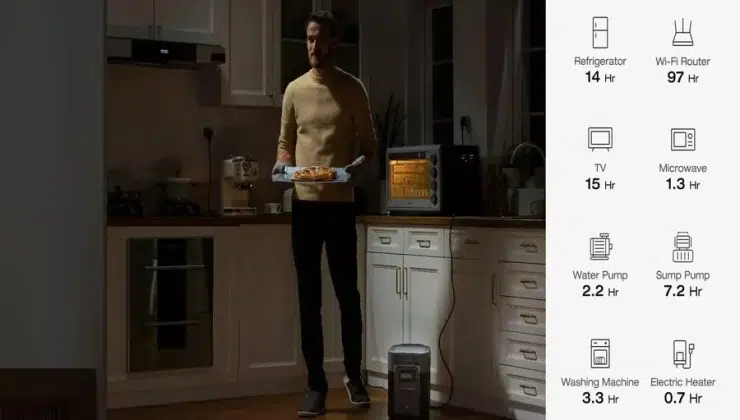
A portable power station is more than just a gadget—it’s an investment in safety, convenience, and peace of mind. Whether you’re preparing for a blackout, going off-grid, or simply powering your devices outdoors, proper maintenance and storage are crucial for ensuring long-term reliability.
With the right habits, a portable power station can serve you well for up to a decade, making it a dependable companion for emergencies and everyday life.
Routine Maintenance Practices
Like any electronic device, a portable power station benefits from regular upkeep.
- Keep it clean: Wipe down the exterior to prevent dust buildup, and use a dry cloth to keep ports free of debris.
- Inspect connections: Check charging cables and plugs for wear or looseness. Damaged cords can reduce efficiency and pose safety risks.
- Update firmware: Many modern power stations connect to smartphone apps. Regularly installing software updates improves efficiency and unlocks new features.
- Test periodically: Even if you don’t use it often, run the system every few months to ensure it’s functioning properly.
These simple habits ensure your station remains dependable when you need it most.
Best Charging Practices
How you charge your unit has a direct impact on battery health.
- Avoid deep discharges: Keeping the battery between 20–80% prolongs its lifespan. Regularly draining to 0% shortens cycle life.
- Use official chargers: Original or manufacturer-approved adapters prevent overheating and voltage mismatch.
- Balance fast charging: While quick-charge features are convenient, constant use may stress the battery. Alternate between standard and fast charging.
- Pair with solar: Efficient solar panels provide steady, gentle charging while also reducing reliance on the grid.
Following these guidelines helps extend the number of charging cycles, which can stretch from 500–800 for conventional lithium-ion batteries to over 3,000 for LiFePO₄ models.
Ideal Storage Conditions
Where and how you store your portable power station matters just as much as how you use it.
- Temperature: Keep it in a cool, dry location. Ideal storage range is between 10–25°C (50–77°F). Avoid extreme cold or heat.
- Partial charge: For long-term storage, leave the battery at 50–60% capacity. This prevents stress from both overcharging and deep discharge.
- Dry environment: Avoid damp basements or outdoor sheds. Moisture can damage internal electronics.
- Protection from sunlight: Direct sun exposure accelerates battery degradation. Store in shaded areas instead.
Good storage habits ensure your power station is ready to perform even after months of inactivity.
Safety Considerations
Safety should always come first when maintaining and storing backup power systems.
- Keep vents clear: Never cover cooling vents, as blocked airflow leads to overheating.
- Avoid incompatible accessories: Only use approved batteries, panels, and adapters to prevent malfunctions.
- Indoor use advantage: Unlike fuel generators, portable power stations are safe to use indoors because they produce no carbon monoxide or fumes.
- Child safety: Store in places where children cannot tamper with the ports or buttons.
Adopting these precautions not only extends the lifespan of your device but also ensures household safety.
Long-Term Battery Care
Battery health determines the overall lifespan of your portable power station.
- Understand the chemistry:
- Lithium-ion batteries last around 3–5 years with 500–800 cycles.
- LiFePO₄ batteries, found in premium models, last up to 10 years with 3,000+ cycles.
- Cycle regularly: Even if you rarely use the device, recharge it every 3–6 months to keep cells active.
- Monitor capacity decline: Over time, capacity naturally decreases. If runtime drops significantly, it may be time to add expansion batteries or upgrade.
Proper battery care ensures your station remains a reliable part of your backup plan.
Maximizing Value: Maintenance and Investment
Portable power stations aren’t just about convenience—they’re also about long-term value.
- Extended lifespan: With proper care, your station can last years longer than neglected units.
- Financial savings: Fewer replacements and reduced reliance on disposable batteries make them cost-effective.
- Home readiness: For households seeking the best solar generator for home backup, consistent maintenance guarantees reliable power during blackouts.
By treating your power station as a serious investment, you maximize both performance and return on investment.
Conclusion
Maintaining and storing a portable power station properly is simple but vital. Clean the device regularly, follow safe charging practices, store it in ideal conditions, and cycle the battery even when not in use. These habits extend the lifespan of your unit, protect your household, and ensure that when the lights go out, your backup power is ready. For anyone looking to secure reliable energy at home or on the go, proper care is the key to getting the most out of the best solar generator for home backup.