Why Diamonds Thrive in Arizona’s Lifestyle Economy
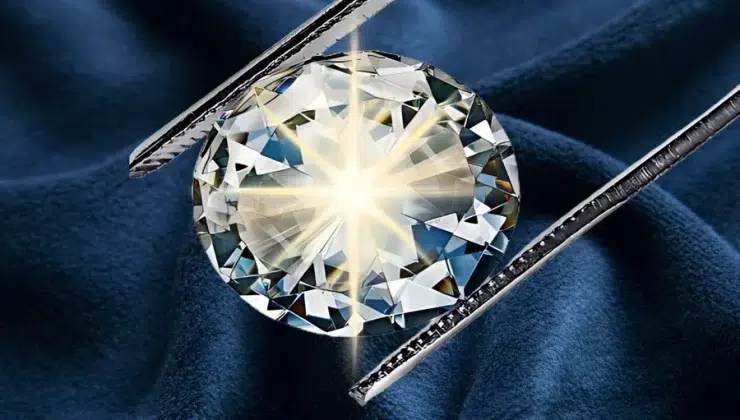
Arizona has quietly become one of the most active markets for fine jewelry in the American Southwest, and diamonds sit at the center of that story. The state’s unusual blend of affluence, outdoor culture, and year-round social activity creates conditions where diamond purchases feel less like splurges and more like natural extensions of how people live.
The Desert Wealth Effect
Arizona’s economy has grown steadily over the past two decades, drawing retirees with substantial savings, remote workers with coastal salaries, and entrepreneurs building businesses in a low-tax environment. Scottsdale, Paradise Valley, and parts of Tucson have developed pockets of concentrated wealth that rival much older money markets in the Midwest and Southeast.
This matters for diamonds because fine jewelry purchases track closely with disposable income and lifestyle confidence. When people feel financially settled, they invest in things that carry meaning and hold value. Diamonds fit that profile. They mark milestones, signal success, and function as wearable assets in a way that most luxury goods do not.
The retiree population deserves particular attention. Arizona attracts a disproportionate share of people who spent decades building careers in high-cost cities and are now relocating with equity-rich portfolios. These buyers often arrive ready to celebrate a new chapter, and jewelry purchases frequently accompany that transition.
Many retirees arriving in Arizona also begin reevaluating long-held assets, creating consistent activity for Scottsdale diamond buyers handling estate pieces, inherited jewelry, and investment-grade stones.
Year-Round Social Calendars Drive Demand
Most luxury markets experience seasonal peaks tied to cold-weather holidays. Arizona operates differently. The social calendar runs almost continuously, shaped by golf tournaments, charity galas, art festivals, and outdoor events that fill the schedule from October through May. Even summer, which slows outdoor activity, generates its own indoor social scene built around resort culture and private clubs.
That sustained rhythm means more occasions to wear fine jewelry, and more occasions create more reasons to buy it. A woman attending three charity events in February, a golf tournament dinner in March, and a resort anniversary celebration in April has genuine use for pieces that make an impression. The jewelry does not sit in a drawer.
Engagement rings and wedding jewelry also benefit from Arizona’s lifestyle tempo. The state has become a popular destination for weddings and honeymoons alike, particularly in Sedona and the Scottsdale resort corridor. Couples planning ceremonies in those settings often shop locally, and the demand that creates supports a healthy ecosystem of jewelers and diamond dealers.
Durability Meets Desert Living
One practical reason diamonds perform so well in Arizona is purely environmental. The desert climate is hard on many materials. High heat, low humidity, and intense UV exposure degrade certain metals, fade colored gemstones, and cause organic materials like pearls and coral to dry out and crack.
Diamonds are essentially immune to those conditions. They are the hardest natural material on earth, resistant to scratching, and unbothered by temperature swings or sunlight. A diamond set in platinum or high-quality gold looks identical on a 110-degree August afternoon as it does on a cool December evening.
What This Means for Everyday Wear
Arizona residents tend to live active lives outdoors. Hiking, tennis, pickleball, and golf are not weekend hobbies for many people here. They are daily routines. That activity level means jewelry needs to hold up.
Colored gemstones like emeralds and opals require more careful handling. Softer stones chip and scratch with regular activity. Diamonds let wearers maintain an active lifestyle without constantly worrying about damage, which makes them a practical choice in addition to an aspirational one.
The Pool and Patio Factor
Outdoor entertaining is central to Arizona’s residential culture. Backyards with pools, covered patios, and outdoor kitchens are standard features in many Scottsdale and Phoenix neighborhoods, and people host and attend gatherings in those spaces constantly.
Chlorine from pools can damage certain metals and discolor some gemstones over time. Diamonds themselves are unaffected, and when set in appropriate metals, they handle poolside environments without issue. That durability gives buyers confidence that their jewelry will travel from the kitchen to the patio to the pool deck without incident.
The Influence of Arizona’s Gifting Culture
Arizona has developed a strong culture of milestone gifting, partly driven by its large retiree population and partly by the entrepreneurial community that has grown throughout the Phoenix metro area. Business success, anniversaries, retirement celebrations, and family milestones all generate gift-giving occasions, and diamonds appear frequently in those moments.
The state also has a notable snowbird population, people who spend winters in Arizona and summers elsewhere. These part-time residents often arrive with gift-giving occasions already on their calendars. A winter anniversary, a grandchild’s engagement, a significant birthday in January or February. All of these happen while they are in Arizona, and local jewelers benefit directly from that timing.
Local retailers have responded by building strong service reputations and offering customization options that appeal to buyers who want something personal rather than generic. The demand for custom engagement rings, anniversary bands, and heirloom redesigns has grown alongside the population.
What Drives Diamond Purchases in Arizona Specifically
Understanding why Arizona buyers choose diamonds over other luxury goods comes down to a few consistent factors:
- Longevity and resale value: Buyers in Arizona’s wealth demographic think about assets. Diamonds hold value in a way that most luxury purchases do not, which makes them easier to justify.
- Versatility across occasions: A well-chosen diamond piece works at a charity gala, a golf club dinner, and a casual Friday lunch. That flexibility matters in a market where social life spans a wide range of settings.
- Climate compatibility: The desert environment rewards durable materials, and nothing is more durable than a diamond.
- Cultural visibility: Arizona’s social communities, particularly in Scottsdale and Paradise Valley, are image-conscious in a way that rewards visible investment in personal presentation.
- Milestone density: The retiree and relocator population creates a steady stream of life transitions that call for meaningful gifts and personal purchases.
These factors compound each other. A buyer who values longevity, lives an active outdoor life, and attends frequent social events finds that diamonds solve multiple problems at once. That is a hard combination to compete with.
Conclusion
Arizona’s population keeps growing, and the demographic profile of incoming residents skews toward exactly the buyers who drive diamond demand. Remote work has accelerated migration from high-cost coastal cities, bringing younger, higher-earning households into the market alongside the traditional retiree wave.
The jewelry market here is not simply riding a national trend. It is benefiting from a specific combination of climate, culture, wealth concentration, and lifestyle patterns that make diamonds a genuinely practical and emotionally resonant choice for the people who live there. For anyone exploring diamonds in Arizona, that alignment between product and place shows no sign of weakening as the state’s economy matures and its social infrastructure deepens.