Why 2D Game Art Styles Still Shape Successful Games
Choosing the right 2d game art styles is one of the most important decisions in game development. Art style influences far more than visual appeal—it affects gameplay clarity, production speed, monetisation opportunities, and how players emotionally connect with the product.
Even in an industry heavily focused on 3D production, 2D games continue to dominate large parts of the mobile, indie, strategy, and casual markets. Some of the most commercially successful titles rely on strong visual identity rather than technical complexity. The reason is simple: players remember clarity and personality more than raw rendering power.
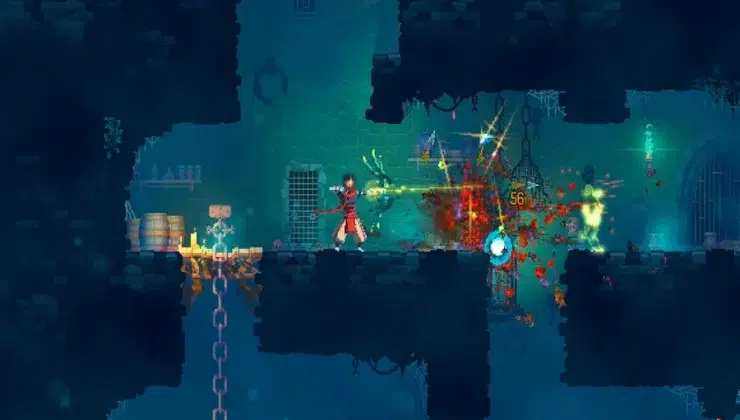
Different 2d game styles create different player expectations. Pixel art suggests nostalgia and precision, hand-painted illustrations create emotional depth, while stylised casual art supports accessibility and mass-market appeal. Choosing the wrong style can make even strong gameplay feel disconnected from its audience.
At RocketBrush Studio, visual direction is treated as a production strategy, not just an aesthetic preference. The goal is to create art that supports gameplay, retention, and scalable content production from day one.
How Video Game Art Styles Influence Production Decisions
When discussing video game art styles, many teams focus only on references they like visually. However, production decisions should come before personal preference. Every art style creates technical consequences.
Highly detailed illustration-heavy projects require larger budgets, longer approval cycles, and stronger art direction. Minimalist casual styles may reduce costs and speed up iteration but require extremely strong readability and design discipline. Pixel art simplifies some workflows but introduces precision challenges in animation and level composition.
This is why selecting between video game art styles should always involve both the art team and production leadership. Visual choices directly affect deadlines, outsourcing budgets, UI systems, and live-content scalability.
RocketBrush supports this process by helping studios align creative goals with practical production realities. Their experience across 2D characters, casual game art, UI systems, game icons, environments, and animation allows teams to choose visual systems that are sustainable rather than simply attractive .
The strongest art direction is not the most complex one—it is the one the team can execute consistently.
Why Strong 2D Video Game Art Styles Improve Player Retention
A polished first impression matters, but strong 2d video game art styles create value far beyond the first download. They improve retention by making gameplay easier to understand and the game world more emotionally memorable.
Players need to instantly recognise characters, threats, rewards, and progression systems. If environments feel confusing or characters lack personality, even strong gameplay systems can lose engagement.
This is especially important for mobile games, match-3 titles, RPGs, and live-service products where players interact with hundreds of repeated visual moments. Art style becomes part of the retention system itself.
Many successful games rely on stylised characters, readable silhouettes, and strong colour systems to keep gameplay intuitive while maintaining brand identity. These are not decorative choices—they directly affect performance.
RocketBrush frequently develops 2D character art, fantasy creatures, splash illustrations, loading screens, and stylised UI systems that support both gameplay clarity and marketing visibility . Their work focuses on custom production rather than asset-store repetition, helping each project maintain a recognisable visual identity.
Strong 2d video game art styles help games stay memorable long after the first session.
Why the Best 2D Game Styles Start With a Style Guide
One of the most common outsourcing problems is not poor execution—it is unclear visual direction. This is why successful 2d game styles always begin with a strong style guide.
A style guide defines the rules that keep production consistent across characters, backgrounds, UI elements, effects, and promotional assets. It covers proportions, colour palettes, rendering logic, perspective systems, icon behaviour, and technical export requirements.
Without this structure, even talented artists produce assets that feel disconnected. The result is more revisions, slower approvals, and a final product that feels visually unstable.
RocketBrush places strong emphasis on style guides, mood boards, and early milestone approvals before scaling production. Their workflow is designed to align the client’s vision with the art team from the start, reducing costly corrections later in development .
For projects involving distributed teams or external vendors, a style guide becomes a production asset as important as the game design document itself.
This is particularly true when scaling game art styles 2d across live-service titles or large content libraries.
How Game Art Styles 2D Support Monetisation
Visual consistency is not only about aesthetics—it directly supports monetisation. Strong game art styles 2d improve the performance of cosmetic systems, live events, promotional assets, and store visibility.
Characters with clear silhouettes support stronger skin systems. Consistent UI improves conversion during events and purchases. Recognisable environments improve trailer performance and advertising retention.
Many of the highest-performing casual and mobile games rely on this structure. Their art is designed not only for gameplay but for long-term content expansion. Seasonal updates, limited-time offers, and event content must all feel native to the original visual identity.
This is why outsourcing partners must think beyond individual assets. They need to understand how art performs across the entire business model.
RocketBrush approaches projects with this production mindset. The studio focuses on scalable pipelines, not one-time delivery. This helps developers maintain both artistic consistency and commercial performance across long-term content strategies.
Why RocketBrush Builds Better 2D Visual Systems
Choosing between 2d game art styles is only the beginning. The real challenge is maintaining quality across full production.
RocketBrush positions itself as a custom game art outsourcing partner rather than a generic asset provider. The studio creates concept art, 2D characters, casual game art, UI systems, icons, loading screens, backgrounds, and animation packages tailored to each project’s genre and technical needs .
Their process includes dedicated project managers, art director supervision, transparent milestone approvals, and internal quality control designed to protect consistency across every deliverable .
This matters because players do not remember isolated assets—they remember complete visual systems.
The best 2d game art styles are the ones that balance creativity with structure, gameplay with readability, and artistic ambition with production reality. When those elements work together, studios create games that remain visually strong long after launch.