The Growing Liability Crisis Behind Workplace and After Work Drinking
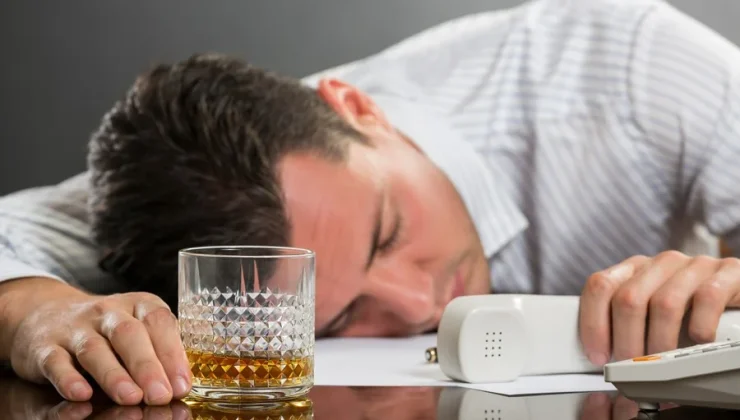
Alcohol has long been treated as a harmless accessory to workplace celebrations, client dinners, and after hours gatherings. Yet a study created by Levine and Wiss shows that drinking connected to work is not simply a cultural habit. It is a growing liability issue that exposes employers to financial losses, legal consequences, and safety risks that extend far beyond the walls of the office.
The study compiles data from thousands of workers across the United States and reveals a pattern that employers can no longer ignore. Drinking at work events, during working hours, and after work with colleagues is linked to higher rates of misconduct, absenteeism, accidents, and legal exposure. The numbers show that what many companies view as a morale booster may instead be a source of measurable harm.
A Workplace Culture That Encourages Risk
The study shows that alcohol is deeply embedded in workplace culture, even as many employees prefer to avoid it.
Employee Preferences
- 51 percent prefer holiday parties with alcohol
- 49 percent prefer alcohol free events
- 59 percent of men want more alcohol at work events
- 55 percent of women prefer to avoid drinking at these gatherings
These numbers show a workplace divided between those who welcome alcohol and those who feel pressured by it. That divide becomes more pronounced when looking at generational trends.
Generational Patterns
In a survey of 1,400 Americans:
- 88 percent drink at company parties
- 20 percent binge drink
- 24 percent say alcohol is served at team bonding events
- 13 percent say employers have permitted them to drink with clients
Millennials and Gen Z employees are the most likely to enjoy alcohol centered events, yet Gen Z overall is drinking less than previous generations. A Gallup poll cited in the study shows that alcohol use among adults aged 18 to 34 has dropped from 72 percent in 2003 to 62 percent in 2023.
When Drinking Leads to Misconduct
The study includes a survey of 1,100 full time employees whose companies host events with alcohol. Their responses show that drinking at work events is not a harmless tradition.
Reported Consequences
Employees admitted to experiencing outcomes that range from uncomfortable to dangerous. These include inappropriate comments, illness, assault, sexual harassment, and drunk driving.
Employee Avoidance Behaviors
- 35 percent prefer to avoid work events with alcohol
- 22.3 percent use an excuse to skip events
- 15.8 percent reluctantly drink to fit in
- 13.8 percent avoid alcohol centered events entirely
- 11.5 percent pretend to drink
These behaviors show that many employees feel pressured to participate in drinking culture even when they would rather not.
Industries With the Highest Alcohol Presence
| Rank | Industry |
| 1 | Technology |
| 2 | Construction |
| 3 | Marketing and advertising |
| 4 | Arts and entertainment |
| 5 | Information services |
These industries show the strongest link between workplace culture and alcohol availability.
Open Bars and Escalated Consumption
A separate survey cited in the study, conducted by Niznik Behavioral Health, shows how dramatically drinking behavior changes when alcohol is free.
How Consumption Changes
- 53.4 percent drink more at an open bar
- 43 percent drink the same amount
Drink Preferences: Paid vs Free
| Drink Type | Men Paying | Women Paying | Men Open Bar | Women Open Bar |
| Beer | 48 percent | 16.6 percent | 17.8 percent | 3.9 percent |
| Liquor | 42.6 percent | 48.9 percent | 73.8 percent | 82.6 percent |
| Wine | 9.4 percent | 34.5 percent | 8.4 percent | 13.5 percent |
Liquor becomes the dominant choice when cost is removed, increasing the likelihood of impairment.
Events Most Associated With Open Bars
| Event Type | Percent Selecting Event | Average Drinks | Average Amount Spent |
| Wedding | 40.2 percent | 5.3 | 41.19 dollars |
| Company event | 17.8 percent | 4.3 | 38.53 dollars |
| Birthday | 15.5 percent | 5.3 | 46.30 dollars |
| Holiday | 10.1 percent | 5.3 | 39.46 dollars |
| Other | 8.8 percent | 4.9 | Not available |
| Family event | 7.6 percent | 5.1 | 38.53 dollars |
Likelihood of Drunkenness or Blackouts
| Event Type | Percent Drunk | Percent Blacked Out |
| Wedding | 59.5 percent | 31.8 percent |
| Birthday | 57.7 percent | 24.5 percent |
| Holiday | 56.1 percent | 26.1 percent |
| Family event | 51.3 percent | 15 percent |
| Company party | 50.5 percent | 23.9 percent |
Company events rank high in both categories, underscoring the risks employers face when alcohol is freely available.
State Level Disparities in Drinking at Work
The study shows that drinking during working hours varies widely across the country.
States With the Highest Rates
| State | Main Drink | Percent Drinking at Work |
| Alaska | Liquor | 67 percent |
| Maine | Liquor | 60 percent |
| New Mexico | Beer | 56 percent |
| Oklahoma | Beer | 51 percent |
| Delaware | Liquor | 50 percent |
| Hawaii | Liquor | 50 percent |
| Mississippi | Beer | 50 percent |
| Nevada | Liquor | 50 percent |
| Indiana | Liquor | 46 percent |
| Connecticut | Beer | 45 percent |
States With the Lowest Rates
| State | Main Drink | Percent Drinking at Work |
| Nebraska | Beer | 13 percent |
| Massachusetts | Liquor | 15 percent |
| Arkansas | Liquor | 16 percent |
| South Dakota | Beer | 16 percent |
| Rhode Island | Beer | 17 percent |
| South Carolina | Liquor | 19 percent |
| North Dakota | Beer | 20 percent |
| Utah | Liquor | 21 percent |
| Kansas | Beer | 25 percent |
| Minnesota | Liquor | 25 percent |
The contrast between Alaska and Nebraska shows how workplace norms differ dramatically by region.
The Financial Burden on Employers
The economic impact of alcohol in work related settings is substantial.
Annual Cost to Employers
- Between 33 billion and 68 billion dollars lost each year
- Losses include reduced productivity, medical claims, car accidents, and absenteeism
- Absenteeism among employees who drink at work is up to eight times higher
These numbers show that alcohol related behavior is not simply a cultural issue. It is a measurable financial drain.
After Work Drinking and Employer Liability
The study also examines the risks associated with after work drinking, which many employees view as a normal part of professional life.
Employee Behavior
- The average worker spends more than 3,000 dollars per year on after work drinks
- The average session lasts 1.8 hours
- One in ten workers drinks shots
- Fifteen percent would get drunk in front of their boss
- Eleven percent of bosses would get drunk in front of employees
- Thirty eight percent believe after work drinks strengthen team bonds
Legal Exposure
A 2019 Oregon Supreme Court case established that employers who organize or encourage after work drinking may be held responsible for the consequences, including drunk driving incidents. Liability increases when attendance is required or strongly encouraged.
States That Ban Happy Hour
Seven states prohibit happy hour promotions.
- Alaska
- North Carolina
- Oklahoma
- Rhode Island
- Utah
- Vermont
- Massachusetts
Despite its ban, Alaska still has the highest percentage of employees who drink during working hours.
A Policy Problem That Demands Attention
The study created by Levine and Wiss shows that alcohol in work related settings is not a minor cultural detail. It is a policy issue with implications for safety, liability, and workplace equity. Nearly half of employees prefer alcohol free gatherings. Women and older workers are especially likely to avoid events with alcohol. Remote work has also contributed to the problem, with 32 percent of Americans saying they are more likely to drink during work hours when working from home.
The data suggests that companies may need to rethink how alcohol fits into their culture. The risks are clear. The costs are measurable. And the liability is growing.