Speeding, Drunk Driving, and Distraction Killed Nearly 40,000 People on Winter Roads in Five Years
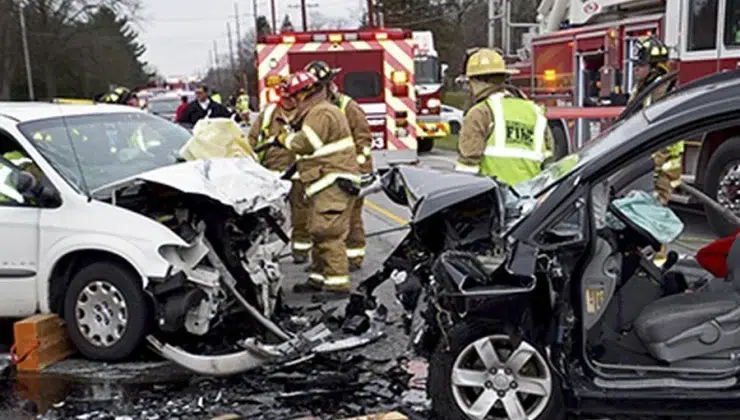
Winter road conditions are dangerous. But the data makes clear that weather is only part of the equation, and often not the decisive part. A five-year analysis of National Highway Traffic Safety Administration data from DeMayo Law Offices crash records from 2019 through 2023 quantifies the scale of driver-behavior-related winter fatalities with precision, and the results are stark: speeding, alcohol impairment, and distraction collectively account for tens of thousands of preventable deaths on American roads during the winter months of December, January, February, and March.
Speeding alone caused 16,804 winter road fatalities over the five-year study period, a toll that encompasses every state, every demographic, and every type of winter road condition. December was the deadliest month for speeding-related crashes, with 4,619 deaths in that single month across five years. The concentration of speeding fatalities in December reflects the convergence of multiple high-risk factors: heavy holiday travel volumes, longer periods of nighttime driving, and early-winter road surfaces that have not yet triggered the full-season behavioral adjustments many drivers eventually make. Critically, 2022 recorded the highest single-year total for winter speeding fatalities at 3,758 deaths, a figure consistent with broader national data showing a post-pandemic surge in high-speed and aggressive driving behavior that persisted well into the mid-2020s.
Alcohol-impaired driving compounded the winter death toll further. During the study period, 17,955 winter fatalities involved a driver with a blood alcohol concentration of .08 or higher, making drunk driving the single largest behavioral contributor to winter traffic deaths in the dataset. December’s drunk driving fatality count of 4,931 is the highest of any behavioral category in any single winter month, reflecting the role of holiday gatherings, alcohol consumption, and late-night travel in elevating crash risk precisely when road conditions are most volatile. Texas recorded the highest number of alcohol-impaired winter driving fatalities of any state, 2,718 deaths across the five years, reflecting both its population size and its persistently elevated rates of drunk driving crashes.
“When a driver gets behind the wheel drunk or speeding in December, when roads are wet, visibility is reduced, and stopping distances are longer — they are not just making a bad decision. They are creating a foreseeable and preventable risk for every other person on that road. The law recognizes this, and so does our practice.”
Distracted driving, though generating a smaller absolute fatality count than speeding or drunk driving, represents one of the most rapidly evolving and persistent behavioral risks in winter crash data. Between 2019 and 2023, 4,768 winter fatalities involved a distracted driver, with December again recording the highest monthly total of 1,315 deaths. The holiday season intensifies distraction risk in compounding ways: navigation app use increases as drivers travel unfamiliar routes, mobile phone use rises as people coordinate gatherings, and cognitive load is elevated by stress, fatigue, and the general pressure of the season. In icy or wet conditions where reaction time is already constrained, even a two-second distraction can be the difference between a safe stop and a fatal collision.
The geographic distribution of behavioral fatalities is not random. Texas leads every behavioral category, with the highest winter speeding fatalities (2,284), the highest drunk driving fatalities (2,718), and the highest distracted driving fatalities (683). Its combination of large population, extensive highway network, high vehicle miles traveled, and speed-permissive driving culture creates conditions where behavioral risk is amplified by scale. North Carolina appears prominently in speeding fatality rankings, a pattern that warrants particular attention given the state’s growing population, expanding highway infrastructure, and documented challenges with speed enforcement during winter months.
The year-over-year trends also merit attention from a legal and policy standpoint. 2022 was the deadliest year in the study period across all three behavioral categories, speeding, drunk driving, and distracted driving, suggesting that the behavioral norms disrupted during the pandemic years did not simply reset when traffic volumes recovered. Higher speeds, greater risk tolerance, and reduced compliance with traffic safety laws appear to have persisted as structural features of post-pandemic driving behavior, with winter conditions providing the conditions in which those behavioral deficits become most lethal.
From a personal injury law perspective, behavioral fatality data is foundational. Negligence claims arising from winter crashes where speeding, impairment, or distraction contributed to a collision are supported by a robust and well-documented evidentiary framework. Toxicology reports, cell phone records, speed data from vehicle event data recorders, and eyewitness accounts can all establish the behavioral failures that caused a crash, and the legal duty that was breached in the process.