How to Match Hybrid Flooring to Your Home Decor Style
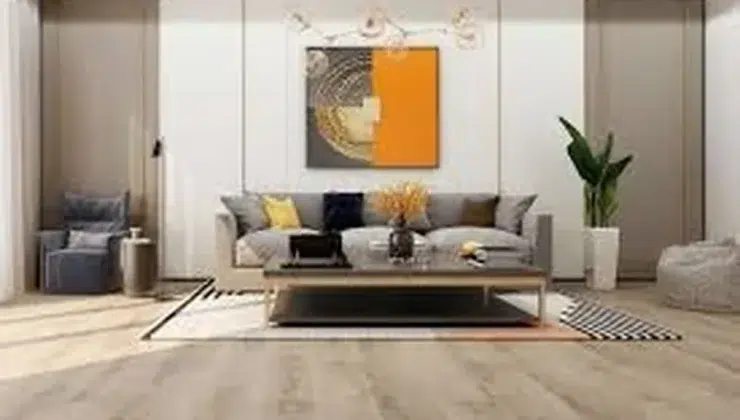
Hybrid flooring has quickly become a go-to option for Australian homeowners who want the best of both worlds: the natural look of timber and the durability of modern materials.
Combining rigid core technology with a realistic photographic layer and protective wear coat, hybrid planks are built to withstand moisture, heavy foot traffic, and everyday wear and tear.
But beyond performance, the real magic of hybrid flooring lies in its versatility. With a vast range of colours, textures, and finishes available, homeowners can align their floors perfectly with their decor theme, especially when they carefully consider suppliers and their product selection before making a decision.
If you’re planning a renovation or building from scratch, here’s how to match hybrid flooring to your home decor style.
1. Modern & Minimalist Interiors
Modern interiors are defined by simplicity, clean lines, and a neutral palette. Think white walls, streamlined furniture, and uncluttered spaces. Some of the best hybrid flooring choices include:
- Light oak or Scandinavian-inspired tones
- Matte or low-sheen finishes
- Wide planks for a spacious feel
Light-toned hybrid flooring, such as pale oak or soft ash, enhances natural light and reinforces the airy feel central to minimalist design. Avoid overly textured or heavily grained finishes, as they can disrupt the clean aesthetic.
Choose planks with subtle variation rather than dramatic colour shifts to maintain visual calm.
2. Scandinavian Style
Scandi design shares similarities with modern minimalism but introduces warmth through texture and soft contrast. It focuses on comfort, natural materials, and functionality. The ideal flooring options are:
- Blonde timber-look finishes
- Soft grey undertones
- Light brushed textures
Hybrid flooring in whitewashed oak or light maple tones pairs beautifully with cosy textiles, neutral furniture, and indoor plants. The goal is brightness with warmth, not starkness.
If your furniture includes natural wood accents, try to match undertones rather than exact colours. For example, if your cabinetry has warm undertones, avoid cool grey flooring.
3. Coastal & Hamptons Homes
Coastal interiors embrace breezy elegance, soft blues, whites, and sandy neutrals. The Hamptons style builds on this with a more refined, symmetrical look.
Flooring that can work for your decor include driftwood or weathered oak finishes, mid-tone natural timber colours, and matte finishes.
Hybrid flooring that mimics sun-bleached or slightly weathered timber enhances the relaxed beach-house vibe. Wide planks are especially effective in open-plan living areas.
Avoid dark, heavy colours in coastal spaces, as they can contradict the light, airy theme.
4. Industrial & Urban Loft
Industrial design celebrates raw materials like steel, exposed brick, and concrete. It’s bold, edgy, and contemporary. For this option, the suitable hybrid styles include:
- Grey-washed timber tones
- Deep brown or smoked oak finishes
- Strong grain patterns
If your space features black metal frames, concrete walls, or industrial lighting, darker hybrid planks can ground the room, while grey-toned flooring pairs particularly well with exposed brick.
When reviewing suppliers and their product selection, look for ranges that include textured embossing to replicate authentic timber grain; it adds depth that suits industrial spaces.
5. Traditional & Classic Interiors
Traditional homes often feature detailed cabinetry, decorative mouldings, and rich furniture tones. The flooring should complement, not overpower, these elements. The recommended options include:
- Warm oak or chestnut hues
- Medium-brown finishes
- Classic plank widths
Avoid ultra-modern grey tones in traditional settings. Instead, choose warm, natural timber colours that echo heritage styling. A satin finish often works better than a matte one in these homes.
Matching the undertones of existing timber furniture is crucial. Warm flooring enhances mahogany and cherry wood pieces, while neutral browns provide balance.
6. Rustic & Farmhouse Style
Rustic decor embraces imperfection, texture, and warmth. Farmhouse interiors feature timber beams, neutral palettes, and cosy accents. Some ideal flooring suggestions include:
- Distressed or hand-scraped textures
- Rich honey or caramel tones
- Visible grain patterns
Hybrid flooring with character marks or subtle knots enhances the authenticity of rustic spaces. Look for options with embossed-in-register technology for a more realistic timber feel.
In open-plan farmhouse homes, slightly darker flooring can create a grounded, welcoming atmosphere.
7. Contemporary Luxury
Contemporary luxury homes favour bold contrasts, statement lighting, and premium finishes like marble or stone. The best hybrid picks you can consider include deep walnut or espresso tones, extra-wide planks, and sleek matte or ultra-low sheen finish
Darker hybrid flooring adds drama and sophistication, especially in large, well-lit spaces. You can pair it with light walls and metallic accents for a striking effect.
If you’re aiming for a high-end aesthetic, consistency is key. Ensure your flooring flows seamlessly from room to room to maintain a cohesive feel.
Key Factors to Consider Beyond Style
Matching hybrid flooring to decor style isn’t just about colour. Several additional elements play a vital role:
- Undertones: Timber-look flooring can lean warm (yellow/red) or cool (grey/blue). Match undertones with cabinetry, furniture, and wall paint for harmony.
- Plank size: Wide planks make small spaces appear larger and suit contemporary designs, while narrower planks can complement traditional homes.
- Texture & finish: Matte finishes feel modern and natural. Satin or semi-gloss finishes work well in more classic interiors.
- Lighting: Natural and artificial lighting significantly influence how flooring appears. Always view samples in your home at different times of day before deciding.
Pay attention to these crucial factors to create the style you want and give your home stunning aesthetics.
Coordinating Flooring with Walls & Furniture
A good rule of thumb is contrast. If your walls are light, slightly darker flooring adds dimension. If your furniture is dark, lighter flooring prevents the space from feeling heavy.
Avoid trying to match everything exactly. Instead, aim for complementary tones that create visual balance.
For example, pairing white walls with mid-tone oak flooring gives warm contrast, while dark cabinetry and pale flooring offers fresh balance. Also, grey walls and warm timber tones add an inviting warmth to your space.
Creating Flow in Open-Plan Spaces
Modern Australian homes often feature open-plan layouts. In these cases, continuity is essential.
Choose one hybrid flooring style that flows through the living, dining, and kitchen areas. Changing colours between rooms can visually break up the space and make it feel smaller.
If you want zoning, use rugs instead of switching flooring styles.
Don’t Forget Practicality
While aesthetics are important, practicality matters too. Hybrid flooring is known for being waterproof, cratch-resistant, and low maintenance
For busy households with children or pets, choose mid-tone colours. Very light floors can show dirt, while very dark floors highlight dust.
Complete Your Decor Style with the Right Hybrid Floor
Matching hybrid flooring to your home decor style is about more than picking a colour you like; it’s about creating harmony between flooring, furniture, lighting, and architectural features. Whether your style is coastal, modern, rustic, or luxurious, there’s a hybrid flooring option designed to complement your space.
Take time to review suppliers, compare samples in your own lighting, and carefully assess their product selection to ensure it aligns with both your aesthetic goals and lifestyle needs. The right hybrid flooring choice won’t just enhance your decor; it will elevate the entire atmosphere of your home for years to come.