Why Wine Transportation Requires More Than Just a Standard Truck
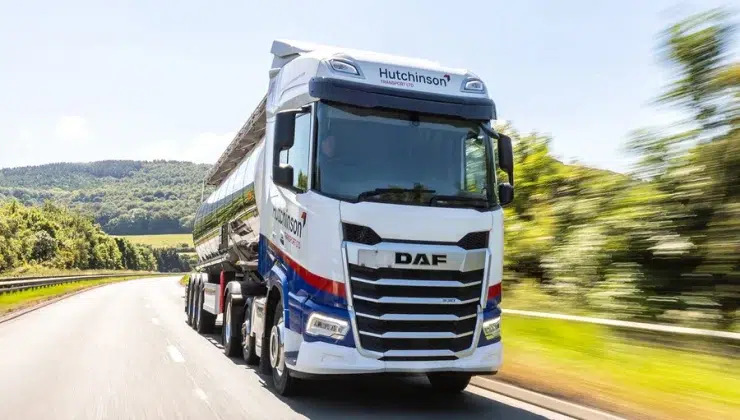
Things that need to be shipped usually come in boxes, but shipping wine is not like shipping office supplies. Wine is an agricultural product that continues to develop after it has been bottled, and how it gets from one place to another can irreversibly ruin months or years of winemaking efforts. The difference between hauliers and typical freight companies is what really happens to bottles in transit.
Temperature Control Is Not Optional
It gets complicated here. Wine has to be kept cool in transit, but it is not about keeping wine cool. Wine has to be at a constant temperature during transit, which is far more tricky than people assume. An ordinary refrigerated freight truck can set the back of the truck to cool to around 55 degrees, but that does not take loading and unloading, as well as the time spent waiting for a truck to be parked at a distribution depot.
The real problem is when temperatures go up and down. When temperature swings up and down, wine expands and contracts. This stresses corks out. It can cause corks to break the seal, resulting in wine leaking out, or it can prevent corks from sealing properly once the temperature eventually evens out. Even if the cork is unharmed, temperature fluctuations can increase certain chemical reactions that cause the bottle’s contents to become unbalanced.
Professional wine transport services use climate-controlled and monitoring equipment to ensure that transit conditions are logged for the entire trip, rather than just during the period that the wine is in the back of the truck.
Summer transit is a challenge, but so is winter transit. With winter transit, it can get cold enough to freeze wines. Freezing causes liquid to expand, which can push corks out or even break bottles. The temperature at which wine starts freezing varies, but it does not take much. Most wines do best between 45 and 65 degrees. It is possible to maintain this temperature using equipment and knowledge that an ordinary freight shipper does not have.
Vibration Damage Is Invisible
This one comes as a surprise to most winemakers when they hear about it. Every bump in the road from the moment a truck leaves its pick-up point until it gets to its destination causes vibrations that move through the bed of the truck into the cases and bottles of wine. Over long distances, all that movement damages wines with sediments that usually throw them back into suspension during their aging process. It can even increase oxidation caused by the movement of wine against the cork.
Sediment-heavy red wines are most vulnerable, but even lighter wines do not do well when subjected to excessive vibration. The compounds that give wines their taste and aromas are more vulnerable than most people think. Professional hauliers have suspensions in their trucks and know how to load cases so that there is limited movement from vibration. They also know how to secure pallets in a way that limits sideways movement of wine cases bumping against each other as they make their way through the distribution process.
Believe it or not, loading cases of wine is more complicated than most people think. Loading wine does not just mean stacking cases. Where and how cases are loaded matter more than most people realize. Making a mistake can create pressure points during loading that can cause damage to cases or labels as cases are in transit.
Cases of wine need special attention when loading them onto trucks and trailers. Care about weight distribution or bracing takes precedence over rushing to stack cases to meet a deadline for shipment.
Timing Transport
A shorter route is not always best for wine if it means many stops, cargo transhipments, and exposure to temperature extremes. Less exposure is better for wine shipments than breaking up cases of wine and causing them to lose their integrity in the multiple distribution hubs at all the different drop-off points.
General timing can also pose a problem in getting wine shipments to their destinations in seasonal, high-demand periods. Harvest time presents a huge challenge when it comes to shipping because winemakers need to make space for incoming harvests they need to process into new wines.
Wine distribution often follows patterns set by release dates, peak seasonal sales periods, or seasonal buying patterns. Transport providers who understand these patterns can help winemakers plan their shipments accordingly so they can avoid causing their product to get caught in storms or busy shipping lanes.
Shipping across state lines opens up multiple possibilities that require planning. A truck moving through a single country across diverse climatic regions in the summer may be subjected to 110-degree temperatures in one area and mountainous terrain in another. Professional hauliers know how to plan routes, taking distance and external road conditions into account.
Documentation and Compliance
Shipping wine involves considering numerous state (and sometimes provincial) regulations. Some states allow drop-off points in different counties or cities, others only permit certain regions to ship and be shipped to, and others regulate which days parcels can be shipped on.
An ordinary generic freight shipper is not going to handle these challenges. There is no way they could know and plan for the alcohol shipping laws that apply in the states they operate in.
Insurance works differently when it comes to shipping wine too. Ordinary freight insurance may leave big gaps for middle-market or higher-end wines the value of which adjustors may not be able to estimate quickly. Even making a claim after cases of wine are damaged during transit may turn tricky as winemakers have to explain that their wines did not get damaged because of faults with making them, but because they were damaged by conditions outside the shipper’s control.
The Cost of Errors
When wine does not reach its destination as intended, the cost of sorting out errors related to failing to get bottles to their destination intact adds a new twist to things that only complicates attempts at correction rather than just replacing broken bottles.
Damaged wines that have spoiled as a result of temperature fluctuations in transit may not be discernible upon arrival, but the quality issues only become apparent when customers finally get to open the wines. Spoiled products leave challenges nobody will ever be able to fix with effort.
Returns, refunds, and lost accounts will stack up rapidly if customers cannot count on excellent product quality associated with wines they purchase from a winery.
For wineries needing to get networking distributors or overcoming challenges associated with breaking into new markets, reliable transport providers become part of laying the foundation for their new brands.
Why Specialized Is Important
Shipping wine is about more than knowing how to get products from one place to another.
The best hauliers in the world know how different types of wine respond when they are in transit.Shipping wine means acknowledging it as a highly unpredictable agricultural product that needs special treatment.
Ordinary generic freight transport companies might ship products in huge quantities, but shipping wine needs specialized attention from beginning to end.