How do HVAC Contractors Improve System Response Times for Faster Comfort?
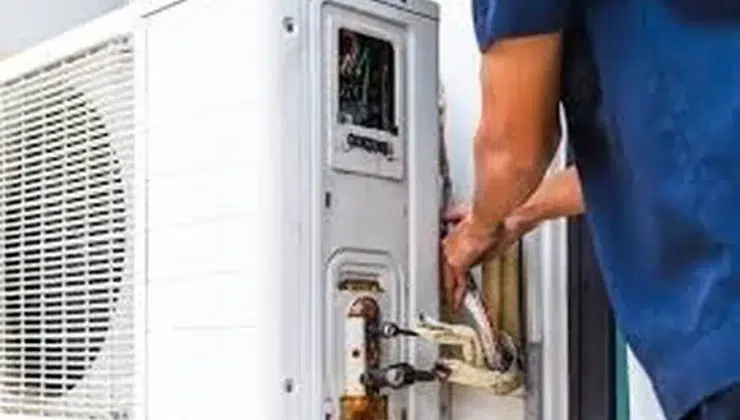
Slow heating or cooling can make a home feel unpredictable. The thermostat changes, but the temperature lags behind; rooms stay uneven, and the system seems to run longer than it should just to reach a comfortable level. Response time is not only about the unit’s power; it is about how quickly conditioned air is delivered, how accurately the controls react, and how efficiently heat exchange occurs throughout the system. HVAC contractors improve response times by removing airflow bottlenecks, correcting control issues that cause slow cycling, and tuning equipment to operate in a stable, responsive range. When response is improved, comfort feels immediate and consistent, energy waste drops, and the system experiences less strain because it no longer needs extended runtime to compensate for poor delivery or incorrect settings.
Why Some Systems Feel Slow
-
Airflow Optimization and Removing Delivery Bottlenecks
Airflow is the main vehicle for comfort, so response times often depend on how freely air can move from the system to the rooms. Contractors start by checking common airflow restrictions, such as clogged filters, dirty evaporator coils, blocked registers, and crushed or poorly routed ductwork. Even a powerful system will respond slowly if the blower is pushing against excessive resistance, because less air reaches living spaces per minute. Static pressure testing helps identify whether ducts are undersized, returns are too limited, or restrictions are forcing the blower to work harder than intended. When issues are found, contractors may adjust duct fittings, seal leaks that waste airflow into attics, and correct return pathways so air can circulate back to the unit efficiently. In many cases, simple corrections—cleaning coils, replacing restrictive filters with appropriate options, and fully opening dampers—can noticeably improve how quickly rooms begin to feel the change after a thermostat adjustment.
-
Control Calibration and Thermostat Communication
A system can feel slow when temperature sensors are not reading accurately or when communication between components is inconsistent. Contractors evaluate thermostat placement, sensor accuracy, and wiring integrity because a thermostat exposed to sunlight, drafts, or nearby vents can misread the room and delay correct action. They also check settings that influence responsiveness, such as cycle rate, temperature swing, staging behavior, and fan control logic. In multi-stage systems, incorrect staging can cause long delays if the unit stays in a low-output mode for too long or fails to ramp when needed. Many homeowners experience “slow response” as repeated short cycles, where the system starts and stops without making a meaningful temperature change. Service teams such as Regan & Son, HVAC, Plumbing & Electric often focus on tightening this control loop so the system reacts smoothly, ramps appropriately, and maintains stable comfort without overshoot or lag.
-
Heat Exchange Efficiency and Coil Performance
Response time also depends on how quickly the system can transfer heat. In air conditioners, the evaporator coil must efficiently absorb indoor heat, while the outdoor coil must release it to the outside air. Dirt, oil residue, and airflow restrictions reduce this transfer, forcing longer runtimes to produce the same temperature change. On heating systems, similar issues occur when burners, heat exchangers, or heat pump coils are coated with dust or when airflow across the heat exchanger is uneven. Contractors improve response by properly cleaning coils, verifying refrigerant charge, and correcting refrigerant flow problems that reduce capacity. They also check blower speed settings to ensure airflow matches the equipment’s intended performance. When heat exchange is restored, the system produces a stronger temperature split—meaning the air coming out of the vents is closer to the target heating or cooling output—so rooms feel the effect sooner rather than after prolonged operation.
-
Duct Sealing, Balancing, and Room-to-Room Recovery
Even when the main unit responds quickly, comfort can still feel slow if air distribution is uneven. Leaky ducts waste conditioned air into unconditioned spaces, which reduces the amount of treated air reaching rooms, especially those farthest from the unit. Contractors improve response by sealing duct joints, repairing damaged sections, and addressing disconnected runs that lead to significant losses. Balancing is equally important because some rooms may receive too much air while others starve, creating a false sense that the system is weak. Contractors adjust dampers, evaluate register airflow, and confirm return performance so air reaches each zone more predictably. This affects “recovery time,” which is how long it takes the home to reach a setpoint after the thermostat changes. When distribution is corrected, recovery becomes faster and more even, reducing the common pattern where one room gets comfortable quickly while another lags behind, forcing the entire system to run longer than necessary.
-
Mechanical Health, Electrical Components, and Fast Start-Up
A slow-responding system can also be one that struggles to get off to a strong start. Weak capacitors, worn contactors, failing blower motors, and aging fan bearings can cause delayed start-up, reduced airflow, or inconsistent performance under load. Contractors test electrical components to confirm that motors draw the correct current and that capacitors hold the right values, because weak electrical support can cause motors to run below their intended performance. They also check defrost controls and the behavior of the reversing valve in heat pumps, since control delays or valve issues can make heating or cooling feel sluggish. Mechanical tuning includes verifying belt tension in older blowers, checking fan blade condition, and ensuring the condensate drain system is not causing coil issues. When the mechanical and electrical foundation is healthy, the system reaches operating speed faster and sustains steady output, which shortens the time between a call for heating or cooling and noticeable comfort improvement in the living space.
-
Smart Settings and Practical Habits That Boost Responsiveness
Response times are also influenced by how the system is used. Contractors often recommend thermostat programming that avoids extreme setbacks, as large temperature swings require longer recovery periods. Moderate setbacks can still save energy while keeping recovery manageable. They also help homeowners choose filters that balance air cleanliness and airflow, because overly restrictive filters can slow delivery and reduce system output. In homes with smart thermostats, contractors can fine-tune features such as adaptive recovery, fan circulation schedules, and staging behavior to make comfort changes feel smoother and more predictable. Humidity control also plays a role, since high humidity can make a home feel warmer and delay the onset of comfort even as the temperature drops. When humidity is controlled through proper runtime, airflow, and ventilation, the home “feels” comfortable sooner. Good habits, paired with proper system setup, create consistent responsiveness without forcing the equipment to work harder than necessary.
Faster Response Comes From System-Wide Tuning
Improving HVAC response times is not about one quick adjustment; it is about removing delays across the entire comfort chain—from controls to airflow to heat exchange and distribution. Contractors speed up response by correcting restrictions, sealing and balancing ducts, cleaning coils, verifying refrigerant performance, and calibrating thermostat and staging settings so the system reacts smoothly and efficiently. They also strengthen reliability by testing electrical components that affect start-up and sustained output. When these factors align, the home reaches setpoints faster, rooms stay more evenly balanced, and the system runs with less strain because it delivers comfort effectively rather than compensating for hidden bottlenecks. A faster response creates a home that feels stable and predictable, where comfort arrives quickly and remains consistent through changing weather and daily routines.