The Relationship Between HVAC Maintenance and Utility Usage
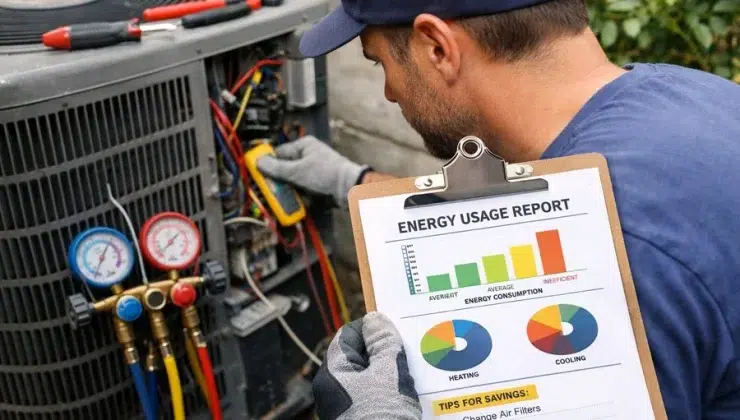
Heating and cooling systems shape how energy moves through a home or commercial space, often accounting for a large share of monthly utility bills. When an HVAC system runs smoothly, it distributes air efficiently and maintains indoor comfort with less strain. When maintenance is ignored, the same system can consume far more electricity or gas while delivering uneven results. The connection between routine upkeep and energy usage is not abstract or theoretical; it is measurable in airflow performance, run times, and utility statements. Understanding this relationship helps property owners see maintenance as a practical energy decision rather than a reactive repair task.
How Maintenance Influences Energy Flow
-
System Cleanliness and Energy Demand
Clean components play a central role in how much energy an HVAC system uses throughout the year. Dust, debris, and residue naturally collect on coils, fans, and internal surfaces as air circulates. When these layers build up, the system must work harder to transfer heat, forcing motors and compressors to draw more power to achieve the same indoor temperature. Over time, this increased demand shows up as higher utility usage, even when outdoor conditions remain consistent. Regular cleaning restores heat-exchange efficiency, allowing air to move as designed and reducing unnecessary energy consumption. Clean systems also cycle more predictably, avoiding the long run times that often occur when heat transfer is restricted. By maintaining internal cleanliness, energy consumption remains closer to the system’s original operating range rather than drifting upward month after month.
-
Airflow Balance and Distribution Efficiency
Balanced airflow determines how evenly heating or cooling reaches each area of a building, and maintenance directly affects this balance. Clogged filters restrict airflow, causing pressure imbalances that force the system to run longer cycles. Duct inspections and filter changes help maintain consistent airflow, reducing wasted energy and shortening operating times. In many communities, including Bunn, NC, homeowners notice that poor airflow leads to constant thermostat adjustments, which further increases utility usage. When airflow is restored through routine checks, conditioned air reaches intended spaces without resistance. This efficiency means the system does not need to overproduce heating or cooling to satisfy the thermostat, keeping energy use aligned with actual comfort needs rather than compensating for internal restrictions.
-
Mechanical Wear and Power Consumption
Mechanical wear is another factor linking maintenance to utility usage. Components such as bearings, belts, and motors experience friction during operation, and a lack of lubrication or alignment increases resistance. As resistance grows, the system draws more electricity to maintain output. This subtle rise in power demand often goes unnoticed until utility bills climb or performance drops significantly. Scheduled maintenance identifies early signs of wear and corrects them before they escalate. By keeping moving parts operating smoothly, the system maintains its designed efficiency level. Reduced friction directly translates into lower energy consumption, especially during peak seasons when HVAC systems operate for extended periods. Over a full year, this preservation of mechanical efficiency can make a noticeable difference in total utility consumption.
-
Control Accuracy and Runtime Behavior
Thermostats and control systems influence how often and how long an HVAC unit runs, and maintenance ensures these controls function accurately. Sensors that drift out of calibration may signal the system to operate longer than necessary, leading to excessive energy use. Wiring issues or delayed responses can also cause inefficient cycling patterns. Routine inspections verify that controls respond correctly to indoor conditions, preventing unnecessary runtime. When a system starts and stops as intended, it avoids energy spikes associated with prolonged operation. Accurate controls help align energy use with actual heating or cooling demand rather than perceived demand caused by faulty readings. This alignment keeps utility usage stable and predictable across changing seasons.
-
Seasonal Preparedness and Load Management
Seasonal maintenance prepares HVAC systems for upcoming demand, reducing the likelihood of energy waste during extreme temperatures. Before heavy summer or winter use, inspections ensure that components are tuned for higher loads. Without this preparation, systems may struggle during peak conditions, drawing excessive power to keep up. Maintenance performed ahead of seasonal shifts allows the system to handle increased demand without inefficiency. Proper refrigerant levels, calibrated controls, and clean airflow paths all contribute to smoother operation under stress. This readiness prevents sharp utility spikes that often accompany unprepared systems, supporting steadier energy use even during periods of intense heating or cooling.
The link between HVAC maintenance and utility usage becomes clear when examining how systems operate under real conditions. Clean components, balanced airflow, smooth mechanical function, accurate controls, and seasonal readiness all reduce unnecessary energy demand. Maintenance supports efficiency by keeping systems closer to their intended performance rather than allowing them to gradually decline. Over time, this approach stabilizes utility usage and limits avoidable increases. Viewing maintenance as an energy management practice highlights its value beyond comfort or reliability. Consistent upkeep helps align system operation with actual demand, ensuring that energy consumption reflects necessity rather than inefficiency.