How to Keep Your Business Secure in the Modern World

Keeping your business secure isn’t just about locking up at night or setting an alarm. It’s about being one step ahead of potential problems, whether that’s theft, data leaks, or even employee safety. The reality is, every business has weak spots, and ignoring them can cost you a lot more than money. The good news is that improving security doesn’t always mean spending a fortune. It’s more about being smart, consistent, and using what’s available to protect what you’ve built. Let’s take a look at some real life ways you can keep our business safe and secure.
Start with the basics
Before you get into the more advanced stuff, it’s worth checking that the simple things are covered. Make sure all doors and windows are properly secured and that locks actually work the way they should. It sounds obvious, but plenty of break-ins happen because of easy mistakes like leaving back doors unlocked or forgetting to set alarms. If you have a shop or office, take a few minutes at the end of each day to walk through and check that everything is shut down properly. Make sure cash is stored safely, lights are switched off in private areas, and any expensive equipment is out of sight. Simple habits can make a big difference when it comes to deterring criminals.
Invest in good lighting
Criminals prefer to work in the dark, so good lighting is one of the easiest ways to make your business less appealing to them. Keep entrances, car parks, and side areas well lit. Motion-activated lights are great for saving energy while still catching anyone who shouldn’t be there. If your business operates late, having clear, bright lighting around your entrances also helps employees feel safer when arriving or leaving. It’s not just about stopping theft but about creating a secure environment for everyone who works for you.
Use technology to your advantage
Modern security technology has made it easier than ever to protect your premises. Surveillance systems can now do a lot more than just record footage. Many come with alerts, motion tracking, and remote access from your phone so you can see what’s happening even when you’re not there. Installing an alpr camera can also take your security to the next level. These cameras automatically recognise and log vehicle license plates, helping you keep track of who’s entering and leaving your property. They’re especially useful for businesses with private car parks, warehouses, or delivery areas. You can monitor visitors, spot unauthorised vehicles, and even use the data to improve traffic flow on-site. It’s a simple addition that adds another layer of control and protection.
Keep your data safe
Not all security risks come from outside. Digital threats can be just as damaging as physical ones. Every business handles information that could be valuable to someone else, whether that’s customer data, employee records, or payment details. Make sure your passwords are strong and updated regularly. Avoid using the same one across different systems. Keep software up to date and use reputable antivirus programs. If your business stores sensitive data, consider using encrypted backups so you’re not caught out if something goes wrong.
Control who has access
Not everyone needs access to every part of your business. Limiting who can enter certain areas or use specific systems is one of the easiest ways to reduce risk. Review your access policies every few months to make sure they still make sense.
Pay attention to your surroundings
It’s easy to focus on what’s happening inside your business and forget about the outside. Keep an eye on nearby buildings, street lighting, and general activity in your area. If something feels off, trust your instincts and report it.
Train your team
Security isn’t something you can manage alone. Your employees are a huge part of keeping everything safe, so it’s important to get them involved. Teach them what to do if they notice something unusual and make sure they know who to contact in an emergency.
Keep things organised
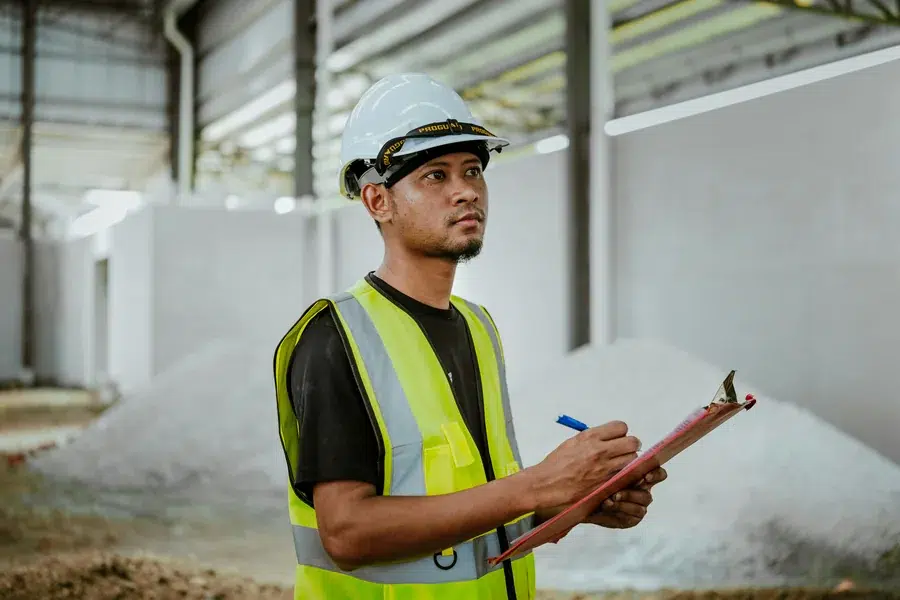
A tidy workspace might not sound like a security measure, but it really helps. Clutter can hide hazards or make it easier for someone to take something unnoticed. Keeping everything organised means you’ll quickly notice if something is out of place or missing.
Secure your deliveries
If your business relies on deliveries, this is another area to keep an eye on. Packages and materials are often left in open areas where they can easily go missing. Set up a clear delivery process and let suppliers know exactly where and when to drop things off.
Review your insurance
Even with the best security, accidents happen. Review your insurance regularly to make sure your business is properly covered. If you’ve upgraded your equipment, moved premises, or expanded your services, your policy might need updating.
Don’t ignore maintenance
Security equipment is only useful if it works. Test your alarms, cameras, and locks regularly. Replace batteries and clean lenses so you can rely on them when you need them most. If you spot a broken fence, cracked window, or damaged light, fix it straight away.
Create a routine
Consistency is the key to good security. Create a checklist for closing up at night and opening in the morning. Include things like setting alarms, locking doors, switching off equipment, and checking the perimeter. Over time, these steps become second nature, and it’s much harder for something to slip through the cracks.
The bottom line
You don’t need to turn your business into a fortress to keep it safe. It’s about paying attention, using the right tools, and keeping up with changes as your business grows. From smart lighting and training your staff to installing cameras and updating your systems, every small step adds up to stronger protection.
Your business represents years of effort and commitment, so it’s worth protecting properly. A secure business isn’t just harder to steal from. It’s calmer, more professional, and more trustworthy. And that makes all the difference to everyone who walks through your doors.