Why Software Authenticity Defines Business Reputation?
The global business ecosystem increasingly depends upon software for essential daily operations. People today expect apps to safeguard personal info without sacrificing usability. We’ve seen stock prices crash after hackers tampered with trusted software.
Companies implement software signing throughout development and distribution pipelines. Digital signatures provide cryptographic proof that applications remain unmodified since authorized creation. Hardware security modules now protect signing keys against clever extraction attempts by malicious actors. Software authenticity checks have transformed from a technical requirement into a powerful brand asset.
Forward-thinking executives recognize trusted applications function as silent brand ambassadors within competitive digital marketplaces. Let’s understand in this blog how your software authenticity defines business reputation and how you can maintain it smoothly.
How is Trust in Software Verified?
Software authenticity serves as the protective layer for lasting business success. Companies must prove their application comes from verified sources without tampering. Customers increasingly check software credentials before trusting business relationships.
Verification Fundamentals
Authentic software starts with verifiable publisher identities and clean code bases. This trust is established through the code signing process, where a code signing certificate act as digital fingerprints that confirm who created and distributed the application. Customers rely on these signatures when deciding to download or install.
Operating systems check these credentials before allowing programs to run. Modern verification systems examine reputation scores across multiple security databases simultaneously.
Reputation Ecosystems
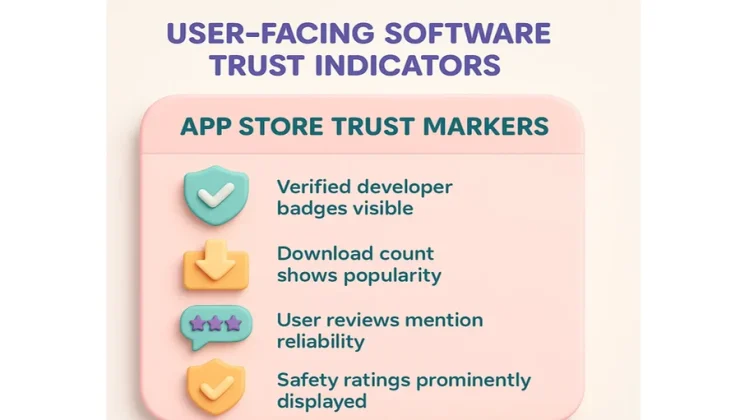
Platform ecosystems now display trust indicators during every installation process. Browser warnings appear when websites attempt to distribute unsigned applications. App stores remove products lacking proper verification from their marketplaces.
Reputation systems track publisher history and flag suspicious behavior patterns. These mechanisms work silently until they detect potential software tampering issues.
How Authenticity Directly Impacts Customer Trust and Brand Perception?
Recent studies show that software trust directly influences overall brand perception among buyers. Most customers purchase decisions are based on software authenticity verification.
Psychology of Digital Trust
Users develop emotional connections with software they consider reliable and safe. Brand loyalty strengthens when applications consistently pass security verification checks. People share positive experiences about software that respect their privacy expectations.
Companies with authentic software enjoy higher customer retention and recommendation rates. Reputation damage occurs immediately when authentication systems flag potential problems.
Consequences of Trust Failures
Security warnings create lasting negative impressions in customer decision-making processes. Users hesitate to grant permissions when the software origins appear questionable.
Customers quickly abandon platforms displaying security alerts during installation procedures.
Brand recovery takes significantly longer than initial reputation-building efforts. Market research shows authenticity problems affect purchase decisions across product lines.
- Software signing creates measurable trust signals for potential customers
- Authentication failures trigger automatic removal from distribution platforms
- Warning messages create lasting negative impressions of the company’s reliability
- Verification systems check reputation across multiple databases simultaneously
- Recovery from authentication failures requires comprehensive trust rebuilding
Practical Ways Businesses Can Ensure Their Software Remains Authentic
Companies must take direct action to protect software throughout development cycles. Modern attacks target build systems more than finished applications.
- Hermetic Build Environments: Lock down your build servers so nothing gets in or out. We’ve seen hackers poison builds rather than final code. Many teams now use air-gapped systems with no internet access. This stops most attackers from injecting malicious code during builds.
- Hardware Security Modules: Never store software signing keys on regular servers or laptops. Keys belong in specialized hardware that resists physical tampering. Most breaches happen when someone steals private keys from a developer’s machine. Split access between team members so no single person controls everything.
- Code Signing Infrastructure: Don’t use the same code signing certificates across your entire pipeline. Your dev builds need different signing keys than production releases. Set up systems requiring multiple people to approve important signatures. Netflix caught a potential breach by enforcing team-based signing approvals.
- Supply Chain Verification: Track every component that goes into your software builds. Check each library against known vulnerability lists before building anything. Generate a “software ingredients list” that users can verify. The SolarWinds hack succeeded because nobody checked what went in.
- Runtime Integrity Monitoring: Your apps should check themselves for tampering while running. Set up systems that respond when unsigned code tries executing. Many banks now use kernel-level checks that stop modified programs. Real-time monitoring catches changes that slip through build security.
- Artifact Registry Protection: Deploy immutable artifact repositories with cryptographic verification of uploads. Implement time-based availability windows for deployment artifact access only. Configure registry scanning tools that detect anomalous binary modifications.
How Strong Authenticity Strengthens Long-Term Business Reputation?
Real software checks build trust that sticks around for years. Companies that prove their software is legit keep customers longer. They can even charge more without losing people to competitors.
Trust Transfers Across Product Lines
Users trust new apps from makers with clean security records. Past good behavior creates a halo effect for future products. Enterprise buyers check publisher history before considering new software options. Many companies now track vendor trust scores in procurement databases.
Speed to Adoption Increases
Software with verified origins gets installed faster by cautious users. IT departments skip extra checks for known good publishers. Security tools apply fewer restrictions to apps with proven records. New updates from trusted makers face less resistance from users.
Market Gatekeepers Show Preference
App stores rank trusted publishers higher in search results. Major platforms reduce warning screens for verified software packages. Operating systems fast-track updates from companies with clean histories. Distribution sites feature trusted apps more prominently than newcomers.
Business Partnerships Become Easier
Enterprise contracts now require strict security practices from vendors. Partners check software authenticity before signing business agreements. Government agencies only work with vendors who have strong verification. Financial firms demand proof of software origins before integration.
Conclusion
Software authenticity directly translates to revenue through sustained customer trust. Companies ignoring verification face declining market share against security-conscious competitors. Research consistently shows consumers pay more for software with proven origins.
Hackers keep getting smarter, and it’s honestly kind of scary. These days, a single security check just doesn’t cut it anymore. Smart companies check their code from the first keystroke to the final download. The winners tomorrow? They’ll be the ones who invested in real verification today. The trust game is changing fast, and you can’t fake authenticity.