How Window Tinting Protects Interiors From Fading and Sun Damage
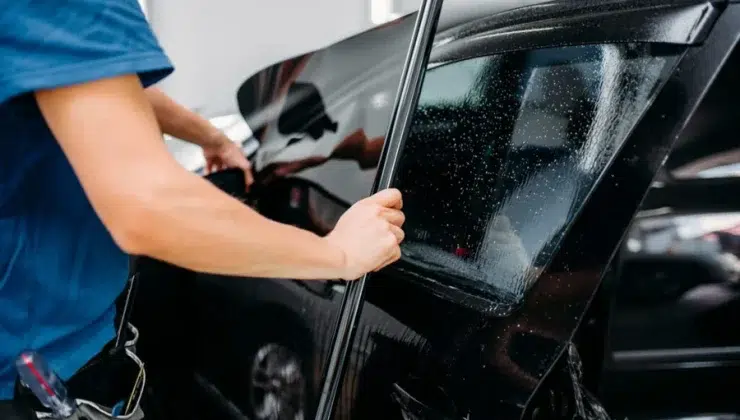
Sunlight brings warmth and natural light into homes, vehicles, and commercial spaces, but it also causes long-term damage that often goes unnoticed until it is too late. Faded furniture, cracked dashboards, discolored flooring, and weakened fabrics are all signs of prolonged sun exposure. Over time, these issues can reduce the appearance, comfort, and value of an interior.
Window tinting is one of the most effective tools for minimizing sun damage. By controlling how much ultraviolet and infrared radiation enters through glass, window tint helps preserve interiors while maintaining natural light and visibility. Understanding how this protection works reveals why tinting is more than an aesthetic upgrade.
What Causes Interior Fading and Sun Damage
Interior fading and deterioration are primarily caused by solar radiation. Sunlight is composed of three main components that affect interiors differently:
- Ultraviolet (UV) rays, which cause chemical breakdown in materials
- Visible light, which contributes to color fading over time
- Infrared (IR) radiation, which generates heat and accelerates material aging
UV rays are the most destructive. They break down molecular bonds in fabrics, leather, wood, and plastics. Visible light contributes to gradual discoloration, while infrared heat dries out materials, making them brittle and prone to cracking.
Standard window glass blocks only a small portion of UV radiation, leaving interiors exposed to years of cumulative damage.
The Cost of Sun Damage Over Time
Sun damage is not always immediate, but it is expensive. Replacing faded upholstery, refinishing hardwood floors, restoring dashboards, or updating window treatments adds up quickly. In vehicles, cracked leather seats and warped interior panels significantly reduce resale value.
In homes and commercial spaces, sun damage impacts more than aesthetics. Discolored flooring and furniture can make a space feel worn and neglected, even when it is otherwise well maintained. For businesses, this can affect customer perception and brand image.
Preventative measures like window tinting cost far less than repeated repairs or replacements.
How Window Tint Blocks Harmful UV Rays
Window tint works by filtering sunlight before it enters the space. High-quality window films are engineered to block up to 99 percent of ultraviolet radiation.
This UV-blocking capability acts like sunscreen for interiors. By stopping UV rays at the glass, tint prevents the chemical reactions that cause fading, weakening, and discoloration in materials.
This level of protection applies to:
- Furniture and upholstery
- Hardwood and laminate flooring
- Curtains and window treatments
- Vehicle dashboards and seats
- Artwork and decorative pieces
Using UV-blocking window tint helps extend the life of interior materials while maintaining a comfortable and visually appealing environment.
Visible Light Reduction and Color Preservation
While UV rays are the primary culprit, visible light also contributes to fading. Bright sunlight carries enough energy to slowly bleach dyes and pigments, especially in fabrics and wood finishes.
Window tint reduces glare and visible light transmission without eliminating natural light. This balance allows interiors to remain bright while minimizing the intensity that accelerates color loss.
Over time, this reduction helps preserve the original appearance of interior finishes, keeping colors richer and surfaces more consistent.
Heat Control and Material Longevity
Infrared radiation increases interior temperatures, which accelerates material degradation. Heat dries out leather, warps wood, and weakens adhesives used in upholstery and flooring.
By rejecting infrared heat, window tint lowers interior surface temperatures. This reduction slows the drying and cracking process, particularly in vehicles where dashboards and seats receive direct sunlight through windshields and side windows.
In homes, heat control helps protect flooring near windows, where sunlight often creates uneven aging patterns.
Automotive Interior Protection
Vehicles are especially vulnerable to sun damage due to their compact interiors and frequent exposure. Windshields and side windows act like magnifying glass panels, intensifying sunlight.
Without protection, dashboards fade, leather hardens, and interior plastics crack. These issues not only affect comfort but also reduce resale value.
Window tint significantly reduces UV and heat exposure inside vehicles. Drivers and passengers benefit from cooler cabins, reduced glare, and interiors that maintain their appearance for years longer than untinted vehicles.
Residential Interior Preservation
In homes, large windows and open layouts increase sun exposure. South- and west-facing windows are particularly problematic, allowing intense afternoon sunlight to flood living spaces.
Window tint helps protect:
- Hardwood floors from uneven fading
- Sofas and chairs from discoloration
- Rugs and carpets from sun bleaching
- Artwork and photographs from deterioration
Unlike heavy curtains or blinds, tint allows homeowners to enjoy natural light while protecting their investment in interior furnishings.
Commercial Spaces and Asset Protection
Commercial interiors often contain high-value assets such as furniture, displays, merchandise, and technology. Prolonged sun exposure can damage inventory, discolor signage, and create uncomfortable hot zones for employees and customers.
Window tinting reduces glare on screens, balances temperatures, and protects interior assets. This creates a more consistent environment and lowers maintenance and replacement costs.
Retail spaces, offices, and hospitality environments all benefit from improved comfort and long-term preservation.
Why Film Quality Matters
Not all window tints provide the same level of protection. Low-quality films may reduce glare but offer limited UV rejection or degrade over time, reducing effectiveness.
Advanced films, especially ceramic-based options, deliver consistent UV blocking without fading or discoloration. Their durability ensures that protection remains effective for years rather than months.
Myths About Tint and Interior Damage
One common myth is that interior damage only occurs with dark or tinted windows. In reality, clear glass allows more UV and infrared radiation to pass through than most people realize.
Another misconception is that tint makes interiors too dark. Modern films are available in light shades that block UV and heat while preserving brightness and visibility.
Understanding these misconceptions helps homeowners and vehicle owners choose protection without sacrificing comfort or aesthetics.
Long-Term Value of Interior Protection
Protecting interiors is about long-term value. Window tint reduces the need for repairs, refinishing, and replacements. Over time, this preservation offsets the initial cost of installation.
In vehicles, maintaining interior condition supports higher resale value. In homes, preserved flooring and furnishings maintain visual appeal and reduce renovation frequency. In commercial spaces, asset protection improves operational efficiency and customer experience.
Final Thoughts
Sun damage is gradual, cumulative, and costly. Ultraviolet rays, visible light, and heat work together to fade, dry, and weaken interior materials. Window tinting addresses all three factors at the source by controlling how sunlight enters through glass.
By blocking UV radiation, reducing glare, and limiting heat buildup, window tint serves as a powerful form of interior protection. Whether for vehicles, homes, or commercial spaces, it extends the life of furnishings, preserves appearance, and supports long-term value.
Interior protection is not just about preventing fading today. It is about preserving comfort, aesthetics, and investment for years to come.