DSM-5 Documentation: Why Generic EHR Templates Fail
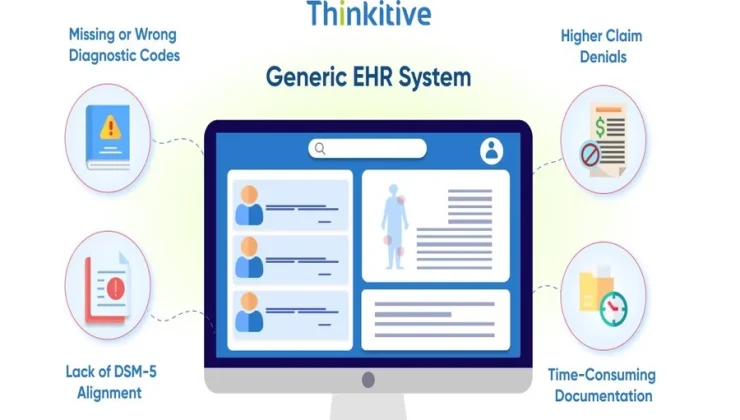
One major reason the generic EHR does not work for mental health practices is its misalignment with DSM-5 standards. For behavioral health, the Diagnostic and Statistical Manual of Mental Disorders, Fifth Edition (DSM-5) is crucial for standardizing the diagnosis.
However, the documentation in generic EHR templates does not follow this standard. The result? Incorrect symptom documentation and the risk of misdiagnosis. Clinicians lack the complete patient history, creating challenges to personalizing treatment plans.
In addition, the DSM-5-aligned document is the requirement for insurance and compliance. Without a properly coded and structured claim submission, claims get rejected. So, not only for clinical accuracy but also for financial health and avoiding legal issues, DSM-5 documentation is of utmost importance.
And this is where custom EHR templates step in. With custom templates, clinics can align their documents with DSM-5 and easily adhere to the payer requirements. In this blog, we will look at why DSM-5 is important, problems with generic templates, and how specialized templates built through custom mental health EHR development solve these issues.
Let’s dive in!
Why DSM-5 Matters in Behavioral Health
The DSM-5 (Diagnostic and Statistical Manual of Mental Disorders, Fifth Edition) is not just a guideline for providers. It’s the backbone of behavioral health, and here are the reasons why it’s essential for clinics and clinicians:
A Universal Standard for Diagnosis & Coding: DSM-5 is the foundation for providing consistent and accurate care to providers across clinics. It gives providers a common language and clear criteria to make the patient report universally understood.
Consistency Across Clinicians: Most of the time, multiple providers are involved in patient care, and consistency becomes the key to continuous care. That’s where DSM-5 plays an important role, ensuring that everyone, from therapists to psychiatrists, understands the same thing and helps avoid confusion and repetition.
Essential for Compliance, Billing, & Treatment Planning: The use of the DSM-5 codes is not limited to providing accurate and continuous care; it is also critical for insurance claims, regulatory claims, and proper documentation. Accurate use of DSM-5 safeguards the practice and enables clinicians to create personalized and targeted care plans that meet patient needs.
In short, DSM-5 is the essential standard that keeps behavioral health care accurate, consistent, and compliant.
The Problem with Generic EHR Templates
Although EHRs are an essential part of modern healthcare, generic EHRs often fall short when it comes to behavioral healthcare. The templates in the generic EHRs are not designed to meet the needs of mental health and create challenges for clinicians. Here’s why:
Lack of Structured DSM-5 Fields: The biggest limitation is the lack of structured DSM-5-aligned documentation. This means clinicians have to rely heavily on free-text fields, creating inconsistencies and making it difficult to track actual patient progress. Moreover, this reduces the usefulness of documentation for reporting or care plan creation.
Incorrect or Missing Diagnostic Codes: Without built-in DSM-5 coding, the chances of errors in diagnosis increase significantly. It becomes hard to input the right codes, and sometimes, some codes are even missing from the documentation. This makes it quite difficult to submit the right claims and even brings compliance problems.
Limited Tracking of Symptom Clusters: In mental health, it is important to track the over time changes in patient symptoms and emotional changes. However, generic EHR templates have limited tracking abilities as they lack the specific layout and tools for this purpose, making it difficult for clinicians to analyze trends and adjust care plans accordingly, reducing the efficiency of treatment.
It may seem like the generic EHRs meet the documentation requirements, but it is completely the opposite. These templates make it quite hard for clinicians to maintain documentation and track the patient’s progress.
Hidden Costs of Misaligned Templates
At the start, the lack of proper templates in a generic EHR may seem like a minor inconvenience. However, over time, it brings hidden costs that impact both the clinic and clinicians. Here are the hidden costs:
More Time Spent Writing Notes: When the templates are not pre-built as per the DSM-5 criteria and behavioral health workflows, clinicians are forced to document in free-text fields. This increases documentation time and reduces time spent on patient care while improving provider fatigue and burnout.
Higher Risk of Insurance Claim Denials: This lack of DSM-5-aligned documentation also impacts the claim acceptance rate of the clinics. Insurance companies require the codes and report format to follow the DSM-5 guidelines, and codes and generic templates lack the needed structure, so claim denials can go significantly higher.
Compliance Risks During Audits: Compliance requirements in mental healthcare are quite stricter than in any other specialty, so templates that fail to meet these requirements can lead to legal actions and penalties for clinics.
How DSM-5 Aligned Templates Solve These Issues
Behavioral health practices face unique documentation challenges, but DSM-5-aligned EHR templates are designed to address them directly. By providing structure, automation, and consistency, these templates make documentation faster, more accurate, and clinically meaningful.
Pre-Built Diagnostic Checklists: Aligned templates include ready-to-use checklists based on DSM-5 criteria, allowing clinicians to quickly select symptoms and diagnoses without typing lengthy free-text notes. This ensures uniformity across providers, reduces documentation errors, and saves valuable time, letting clinicians focus more on patient care.
Automated Coding for Billing Accuracy: One of the biggest challenges with generic templates is coding errors that lead to insurance claim denials. DSM-5 aligned templates automatically generate the correct diagnostic codes for billing, streamlining reimbursement processes, reducing administrative burden, and keeping practices compliant with insurance and regulatory requirements.
Structured Fields for Symptom Tracking & Severity Scales: These templates also include fields to track symptom clusters, severity levels, and treatment responses over time. This structured approach allows clinicians to monitor progress, identify trends, and adjust care plans effectively, improving both clinical outcomes and patient engagement.
So, using custom EHR templates that are aligned with DSM-5 documentation criteria allows clinicians to document faster and save time. Additionally, the accuracy of captured data increases, thus reducing the risks of misdiagnosis and enabling providers to create personalized care plans.
Conclusion
In a nutshell, DSM-5 aligned behavioral health templates transform the way clinics document, track, and manage patient care. By providing structured diagnostic checklists, automated coding, and fields for symptom tracking, they save clinicians time, reduce errors, and ensure compliance.
Beyond efficiency, these templates empower providers to make data-driven decisions, monitor patient progress effectively, and deliver personalized care. However, generic EHR templates often lead to billing errors, compliance risks, and a stronger, more compliant behavioral health practice.
Ready to experience how a DSM-5-aligned template can change your documentation? Click here to book your demo right away.
Frequently Asked Questions
Why can’t generic EHR templates handle DSM-5 documentation?
Generic EHR templates lack structured DSM-5 fields and pre-built diagnostic checklists. Clinicians often have to rely on free-text notes, which leads to inconsistent documentation, missed details, and difficulty tracking symptoms over time.
How does DSM-5-aligned documentation improve compliance?
DSM-5 aligned templates standardize diagnostic coding, capture all required data, and reduce errors. This ensures accurate billing, smoother audits, and adherence to regulatory standards, lowering the risk of claim denials or compliance penalties.
Can DSM-5 templates be customized for specific practices?
Yes. Modern DSM-5 templates can be tailored to match a clinic’s workflows, patient population, and specialty needs. Customization allows clinicians to track relevant symptoms, use preferred assessment scales, and create more efficient, personalized documentation processes.