The Essential Guide to High Shear Mixing Technology in Industrial Applications
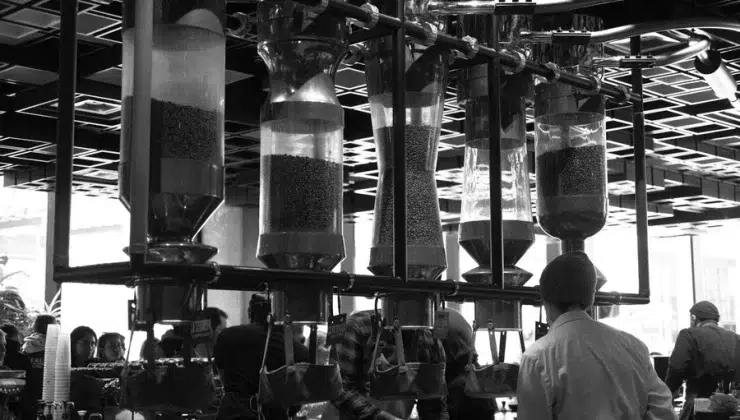
Modern manufacturing demands precise, consistent blending of materials to produce quality products. High shear mixing technology has become essential across industries where thorough dispersion and emulsification determine product success.
Understanding this technology helps manufacturers select appropriate equipment and optimise their processes. This guide explores how high shear mixing works and why it matters for industrial applications.
What Is High Shear Mixing?
High shear mixing uses mechanical force to blend, disperse, or emulsify materials that resist combining through conventional methods. The process generates intense energy that breaks down particles and creates uniform mixtures rapidly.
Unlike standard agitators that simply stir materials together, high shear mixers apply focused mechanical stress. This stress overcomes the natural resistance between immiscible liquids or stubborn powder agglomerates.
The technology derives its name from the shearing action created between a high-speed rotor and a stationary stator. Materials passing through this gap experience intense turbulence that achieves mixing impossible through other means.
How High Shear Mixers Work
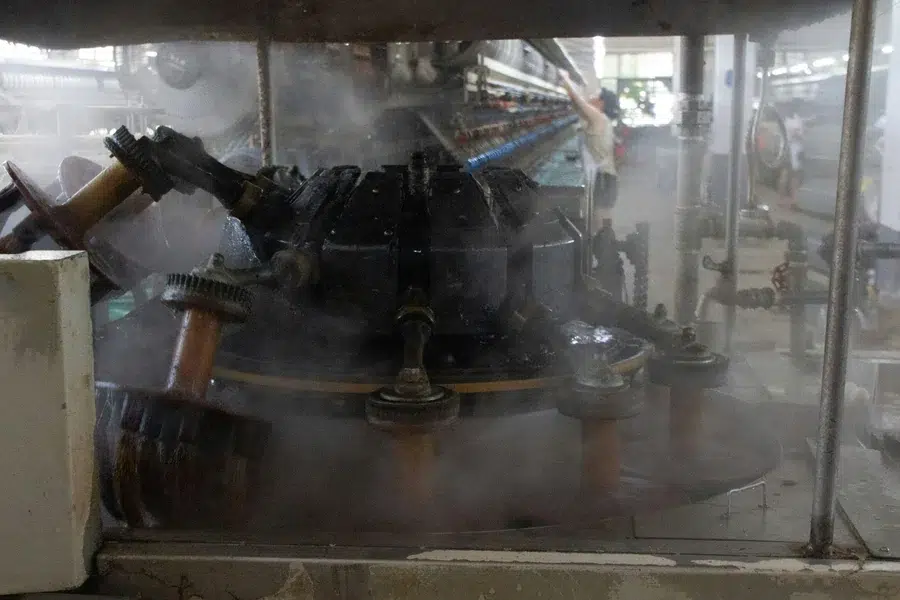
A typical high shear mixer consists of a rotor spinning at high velocity within a closely fitted stator. The narrow gap between these components creates the intense mechanical forces that define the technology.
Materials drawn into the rotor-stator assembly experience rapid acceleration and deceleration cycles. These forces break apart agglomerates, reduce particle sizes, and create stable emulsions efficiently.
The centrifugal action of the rotor continuously draws fresh material into the mixing zone. This circulation ensures all product receives consistent processing throughout the batch.
An industrial high shear mixer can process materials in minutes that would take hours with conventional equipment. This efficiency translates directly to increased productivity and reduced processing costs.
Key Applications Across Industries
High shear mixing serves critical functions across diverse manufacturing sectors worldwide. Each industry leverages the technology’s unique capabilities to solve specific processing challenges.
Pharmaceutical manufacturers rely on high shear mixing to create uniform drug suspensions and emulsions. Consistent particle distribution ensures accurate dosing and predictable therapeutic effects.
Food and beverage producers use the technology for sauces, dressings, and dairy products requiring stable emulsions. High shear processing creates smooth textures that consumers expect from quality products.
Cosmetics and personal care manufacturers depend on high shear mixing for lotions, creams, and other emulsified products. The technology produces the fine droplet sizes that give premium products their luxurious feel.
Chemical manufacturers employ high shear mixing for paints, coatings, and adhesives requiring thorough pigment dispersion. Uniform colour and consistent performance depend on complete particle distribution.
Benefits of High Shear Technology
The advantages of high shear mixing extend beyond simply combining materials effectively. Manufacturers gain multiple operational and quality benefits from implementing this technology.
Processing times have reduced dramatically compared to conventional mixing methods. Batches completing in minutes rather than hours multiply production capacity without additional equipment.
Product consistency improves through the thorough, repeatable mixing action that high shear provides. Every batch achieves the same particle distribution and emulsion stability.
Energy efficiency increases despite the intense mechanical action involved. Shorter processing times mean less total energy consumption per batch produced.
Raw material utilisation improves when powders disperse completely without agglomerates. Eliminating undispersed lumps reduces waste and ensures formulations perform as designed.
Types of High Shear Mixers
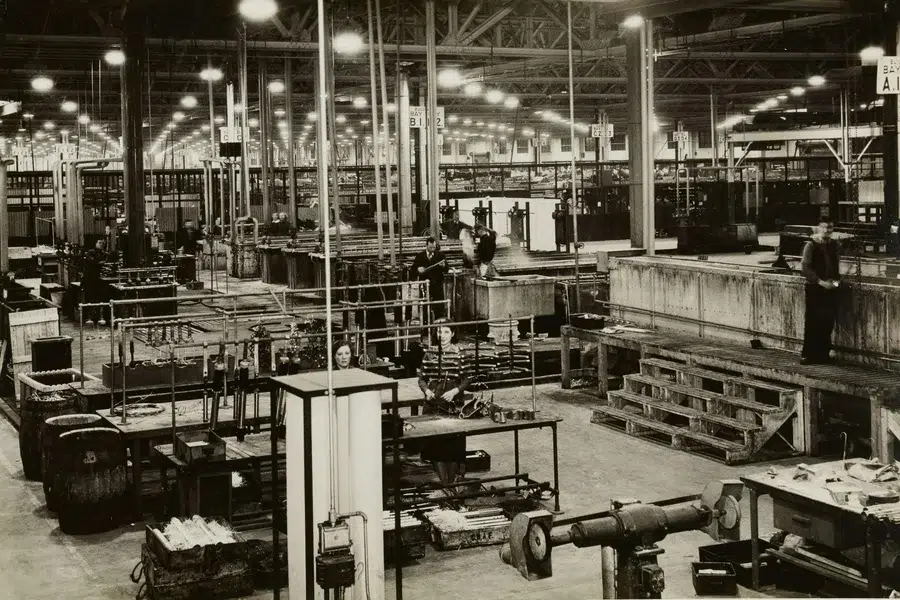
Manufacturers offer various high shear mixer configurations suited to different applications and production scales. Understanding these options helps match equipment to specific processing requirements.
Batch mixers process discrete quantities of material from start to finish before emptying. This configuration suits applications requiring precise batch control and complete traceability.
Inline mixers process material continuously as it flows through the rotor-stator assembly. These units integrate into production lines for high-volume, continuous manufacturing operations.
Bottom-entry mixers mount beneath tanks, drawing material down through the mixing head. This configuration works well for large batches and viscous materials.
Top-entry mixers descend into tanks from above, offering flexibility and easy cleaning access. These units suit applications requiring frequent product changeovers.
Selecting the Right Equipment
Choosing appropriate high shear mixing equipment requires careful consideration of multiple factors. Matching equipment capabilities to application requirements ensures optimal performance and value.
Viscosity ranges of materials being processed influence rotor-stator design and motor power requirements. Equipment must handle your thickest formulations without overloading while efficiently processing thinner products.
Batch sizes and production volumes determine appropriate equipment scale and configuration. Oversized equipment wastes energy while undersized units become bottlenecks, limiting capacity.
Material properties, including abrasiveness, corrosivity, and temperature sensitivity, guide construction material selection. Stainless steel suits most applications, but specialised alloys address aggressive chemicals.
Cleaning requirements and product changeover frequency affect design features and accessibility. Sanitary designs with quick disassembly simplify compliance with food and pharmaceutical regulations.
Process Optimisation Strategies
Maximising high shear mixer performance requires attention to process parameters and operating practices. Optimised processes deliver better results while extending equipment service life.
Rotor speed selection balances mixing intensity against energy consumption and heat generation. Higher speeds increase shear but may damage sensitive materials or cause excessive temperature rise.
Processing time affects both product quality and production efficiency significantly. Insufficient mixing leaves agglomerates, while excessive processing wastes energy and may degrade products.
Material addition sequences and rates influence mixing effectiveness substantially. Introducing powders at controlled rates prevents overwhelming the mixer and forming difficult-to-disperse lumps.
Temperature control during processing protects heat-sensitive materials and influences viscosity. Jacket cooling or heating maintains optimal conditions throughout processing cycles.
Maintenance and Reliability
Proper maintenance ensures high shear mixers deliver consistent performance over extended service lives. Neglected equipment degrades gradually, compromising product quality before failing.
Rotor-stator wear affects mixing intensity and efficiency progressively over time. Regular inspection and timely replacement of worn components maintain the designed performance levels.
Seal integrity prevents leakage and contamination that compromises both products and equipment. Mechanical seal maintenance deserves particular attention in high shear applications.
Bearing condition affects rotor concentricity and stator clearances critically. Vibration monitoring and scheduled bearing replacement prevent catastrophic failures.
Lubrication, alignment, and electrical system maintenance complete comprehensive equipment care programmes. Following manufacturer recommendations maximises reliability and equipment lifespan.
Future Developments
High shear mixing technology continues evolving to meet changing industrial requirements. Manufacturers invest in innovations that improve efficiency, capability, and sustainability.
Energy-efficient motor technologies reduce operating costs and environmental impact significantly. Variable frequency drives optimise speed control while minimising power consumption.
Advanced materials extend wear component service life in demanding applications. Ceramic and carbide elements resist abrasion that quickly destroys conventional steel components.
Digital monitoring and control systems enable precise process management and predictive maintenance. Connected equipment provides data supporting continuous improvement initiatives.
Conclusion
High shear mixing technology solves processing challenges that conventional mixing cannot address effectively. The intense mechanical forces generated create uniform dispersions, stable emulsions, and consistent products.
Industries from pharmaceuticals to food production depend on this technology for quality and efficiency. Understanding high shear mixing helps manufacturers optimise processes and select appropriate equipment.
Investing in quality high shear mixing equipment delivers returns through improved products, reduced processing times, and lower operating costs. The technology continues to advance to meet evolving industrial needs.
Modern manufacturing increasingly demands the capabilities that high shear mixing provides. Embracing this technology positions manufacturers for success in competitive markets requiring consistent, high-quality products.