The Role of AI in Enhancing Real-Time Threat Detection with Face Recognition Cameras
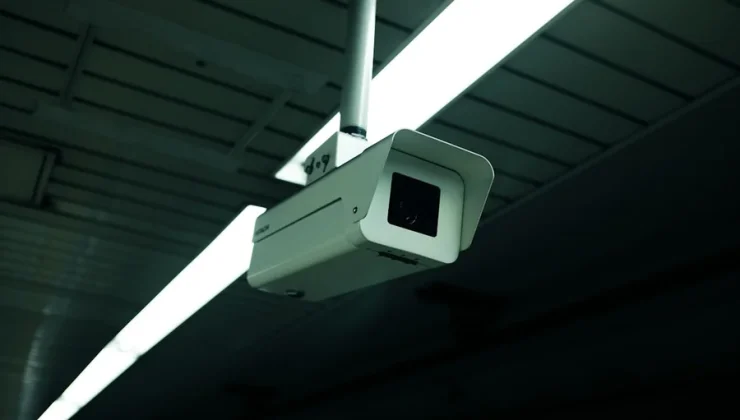
In today’s complex security landscape, rapid identification of potential threats is not just a benefit; it’s a necessity. As institutions like schools, airports, and commercial facilities face growing risks, traditional surveillance systems often fall short in offering real-time insights. That’s where artificial intelligence (AI) steps in, revolutionizing the way face recognition cameras operate.
Facial recognition, when combined with AI, offers more than just automated identity verification. It creates a proactive security layer capable of detecting, analyzing, and responding to threats as they unfold, sometimes even before an incident occurs.
How AI-Powered Face Recognition Works
At its core, a face recognition security camera scans facial features from video footage and compares them to a preloaded database of authorized or flagged individuals. However, the integration of AI significantly amplifies this process.
Here’s how it works:
- Facial Detection: The system detects a human face in real-time footage.
- Feature Mapping: AI algorithms map specific facial features (eyes, nose, jawline) into a unique digital signature.
- Database Comparison: This signature is compared against a database to verify identity or flag a match.
- Real-Time Alerts: If the system identifies an unauthorized or suspicious individual, it immediately sends an alert to the relevant security personnel or system.
Thanks to AI’s ability to process massive data streams in milliseconds, facial recognition can now function with minimal latency, enabling real-time response in critical moments.
Real-World Applications in High-Risk Environments
1. Schools and Campuses
In K-12 schools and universities, AI-enabled facial recognition can identify expelled students, flagged visitors, or unauthorized personnel entering campus grounds. When integrated with access control systems, these cameras can automatically lock doors or alert school security teams the moment a match is found. Providers like Coram offer tailored AI surveillance solutions for educational institutions, ensuring real-time alerts and compliance with school safety regulations.
2. Airports and Transit Hubs
Airports are particularly vulnerable to high-risk threats due to large crowds and open public access. AI-powered face recognition systems allow security teams to monitor passenger movements, identify persons of interest on watchlists, and track suspicious behaviors—all without manual intervention.
3. Commercial and Corporate Offices
From preventing unauthorized access to securing sensitive areas, face recognition cameras are increasingly used in corporate buildings. AI helps businesses log entries, monitor time-stamped footage, and detect unusual activities in restricted zones.
Advantages of AI-Enhanced Facial Recognition in Threat Detection
- Speed & Accuracy: AI systems can process and match faces in real time with high precision, minimizing the chances of human error.
- Scalability: AI models continuously learn and adapt to new facial data, making systems more intelligent over time.
- Behavior Analysis: Some advanced systems can also analyze body language and detect abnormal behaviors or loitering, further enhancing threat identification.
- Automated Workflows: Real-time alerts can trigger automated actions like locking doors, notifying police, or launching lockdown protocols.
Challenges and Ethical Considerations
Despite the benefits, facial recognition with AI also raises concerns:
- Privacy and Consent: Storing biometric data must comply with laws such as GDPR or state-level data protection acts.
- Bias and Accuracy: AI systems may show biased performance based on race, age, or gender if trained on non-diverse datasets.
- False Positives: Misidentification can lead to wrongful alerts, which could disrupt operations or cause panic.
Responsible deployment—including transparent policies, audit mechanisms, and regular system updates—is essential for ethical use.
The Future of Threat Detection: Predictive Security
AI’s role doesn’t stop at recognizing faces. Modern systems are now moving toward predictive threat detection, where patterns of movement, behavioral anomalies, and contextual data are analyzed in tandem. For example, AI can learn that a person entering a building during non-working hours with covered facial features could be flagged before any crime occurs.
As AI technology matures, its integration into face recognition systems will help transition surveillance from reactive to proactive, enabling preventive security protocols to activate before a threat escalates.
FAQs
Q1: Can AI-powered face recognition cameras work in low-light environments?
Yes, most modern systems use infrared or low-light vision combined with AI-enhanced image processing to function effectively even in dimly lit areas.
Q2: How fast is real-time detection with AI facial recognition?
High-performance AI systems can identify and match faces in under a second, depending on the database size and camera resolution.
Q3: Is facial recognition legal in schools or workplaces?
Legality depends on regional data protection laws. Many areas require informed consent and clear data retention policies before implementing biometric surveillance.
Q4: Can these systems integrate with other security tools?
Absolutely. Facial recognition systems can integrate with access control, alarm systems, and emergency management software to create a unified security infrastructure.
Conclusion
The integration of AI into face recognition cameras marks a new era in proactive threat detection. By enabling real-time identification, these systems empower institutions to respond quickly and decisively to potential dangers. While ethical implementation remains a crucial consideration, the benefits in terms of safety, operational efficiency, and peace of mind make AI-powered surveillance an indispensable tool in the modern security ecosystem.