HVAC Contractor Tips for Preventing AC Breakdowns
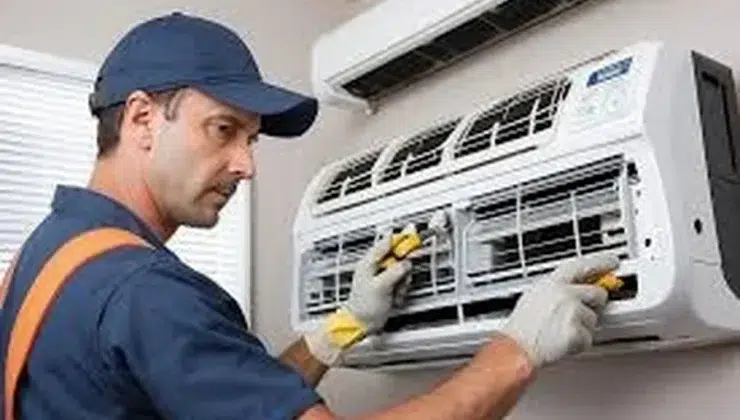
Air conditioning breakdowns rarely happen without warning. In most homes, the signs appear weeks or even months earlier—slower cooling, longer run times, weaker airflow, unusual cycling patterns, or rising energy bills that don’t align with daily usage. Many homeowners only respond when the unit stops cooling completely, but by then the system may already be overheated, stressed, or damaged. Preventing AC breakdowns is less about luck and more about controlling the conditions that cause wear. Heat, humidity, airflow restriction, electrical strain, and dirt buildup all contribute to failure, especially when the system is under daily demand. A contractor’s perspective is valuable because it focuses on causes instead of symptoms. The goal is to keep the unit operating within safe ranges so that the compressor, fan motors, coils, and controls do not operate beyond their design limits. With regular attention, many common failures can be avoided, and comfort stays consistent throughout the season. These contractor tips are practical steps that reduce strain on the AC and help homeowners spot issues early enough to prevent emergency shutdowns.
How AC Breakdowns Are Prevented
-
Start With Airflow: The Most Common Breakdown Trigger
Airflow is the foundation of reliable AC performance. When airflow is restricted, the system’s evaporator coil cannot absorb heat effectively, and the unit begins to operate outside normal conditions. That can lead to coil freezing, liquid refrigerant returning to the compressor, and overheating that damages internal components. Contractors often say the filter is the most overlooked part of the entire system because it quietly controls airflow every day. Replacing filters on schedule prevents the blower from straining and reduces the chance of ice buildup. Return vents should be kept clear of rugs, furniture, and clutter, as blocked returns reduce airflow, just as dirty filters do. Some airflow issues come from ductwork—kinks, loose connections, or crushed flex ducts—especially in attics. Homeowners who check airflow at vents regularly often catch these problems early. Many contractors, including Zack Hammonds A/C Heating Refrigeration Inc., emphasize airflow checks because they prevent a long list of costly breakdowns that often start with simple restrictions.
-
Small Maintenance Stops Big Failures
Most AC breakdowns begin as small performance losses—dirty coils, weak airflow, loose wiring, or minor drain clogs. Proactive attention prevents these issues from escalating into compressor failure or a full shutdown.
-
Keep Coils Clean to Protect the System Under Heat Load
The air conditioner’s coils conduct heat transfer, enabling cooling. The evaporator coil absorbs heat indoors, while the condenser coil releases that heat outdoors. When coils become dirty, heat-transfer efficiency declines, and the system must run longer to deliver the same level of comfort. That extra runtime increases strain on the compressor and electrical components. Outdoor coils are especially vulnerable because they collect dust, leaves, grass clippings, and debris. Even a thin layer of dirt reduces airflow through the coil, raising refrigerant pressure and forcing the compressor to work harder. Contractors recommend keeping the outdoor unit clear of obstructions and gently removing any debris buildup. Indoor coils can also become dirty if filters are neglected, which restricts airflow. Keeping coils clean supports stable operation and reduces overheating, which commonly leads to breakdown calls during peak summer.
-
Protect the Electrical System: Capacitors and Connections Matter
Many AC breakdowns are electrical, not mechanical. Capacitors help motors start and run, and when a capacitor weakens, the compressor or fan motor may struggle. Homeowners often notice signs like slow startup, humming noises, or intermittent shutdowns. Contactors and relays can also wear over time, causing inconsistent power delivery. Loose wiring connections can cause arcing and overheating, damaging terminals and increasing the risk of failure. Contractors check amperage draw, voltage, and connection tightness during service visits because electrical components are prone to failure in extreme heat—the exact moment homeowners rely on the system most. Preventing breakdowns means not ignoring small electrical symptoms. If an outdoor fan runs more slowly than usual or hesitates to start, that’s often an early warning sign. Electrical testing during routine maintenance can prevent a system from failing suddenly during the hottest week of the year.
-
Clear Drainage Problems Before They Shut Down Cooling
Condensate drainage is one of the simplest systems in an AC unit, but it is a common cause of breakdowns. When the air conditioner cools the air, it removes moisture, and the resulting condensate must be drained through a condensate line. If the line clogs, water can back up into a pan, triggering a float switch that shuts the system off for safety. Homeowners sometimes think the AC is broken, but the issue is a blocked drain line. Contractors recommend periodic drain clearing, especially in humid climates where algae buildup is common. Signs of drainage trouble include water near the indoor unit, musty odors, or frequent shutdowns. Keeping the drain system clear prevents unnecessary emergency calls and reduces the risk of water damage around the air handler.
-
Check Refrigerant Conditions Without Guessing
Refrigerant issues can quietly lead to major breakdowns if ignored. Refrigerant does not get “used up,” so a low charge usually indicates a leak. When refrigerant levels are low, the evaporator coil may freeze, cooling performance weakens, and the compressor runs longer. That longer runtime increases heat and wear. Over time, compressor damage can occur if the system operates out of range. Contractors use pressure readings and temperature measurements to confirm whether the refrigerant charge is correct. Guessing or “topping off” refrigerant without a diagnosis often leads to recurring issues. Preventing breakdowns requires early detection of performance changes—such as reduced cooling or ice buildup—and proper technician evaluation to return the system to correct operating conditions.
-
Use Thermostat Habits That Reduce System Stress
Thermostat use affects breakdown risk more than many homeowners realize. Constantly changing the thermostat by large amounts forces the system into longer cycles and higher demand. Extremely low thermostat settings during hot weather can cause continuous operation and increase strain. A consistent temperature setting helps the system operate steadily. Contractors often recommend using programmable thermostats or smart thermostats to avoid unnecessary cycling. Another helpful habit is using the fan setting correctly. “Auto” typically reduces unnecessary blower runtime, while “On” can improve air mixing in some homes but may increase wear if airflow is already restricted. The goal is to keep operations stable and efficient rather than forcing extremes that push equipment toward failure.
Reliable Cooling Comes From Reducing Strain
Preventing AC breakdowns is mostly about controlling strain and catching early warning signs. Airflow restriction, dirty coils, weak electrical components, clogged drains, and refrigerant imbalance are the most common causes of sudden failure, especially during high heat. HVAC contractors prevent breakdowns by keeping the system within safe operating limits and addressing minor issues before they damage larger components. With regular filter changes, coil attention, drain maintenance, and scheduled inspections, many homeowners avoid emergency repairs and maintain steady comfort all summer long.