How To Improve Indoor Air Quality with Your HVAC System?
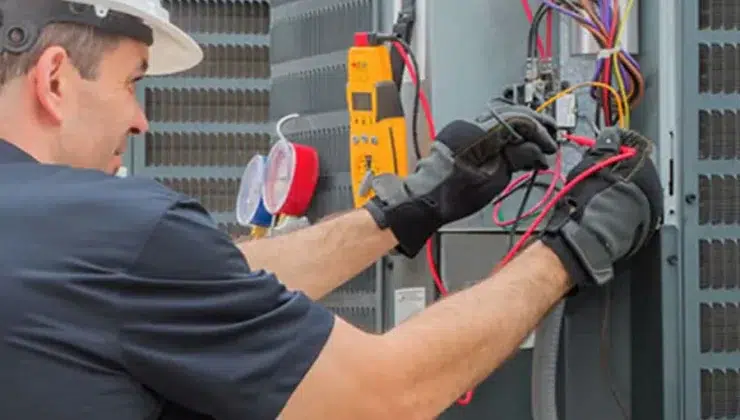
Improving indoor air quality has become increasingly important for homeowners who want to maintain a healthy and comfortable living environment. Dust, allergens, moisture, and airborne contaminants can circulate through a home unnoticed, contributing to discomfort and potential respiratory irritation. Your HVAC system plays a major role in managing air quality by filtering, ventilating, and regulating airflow throughout the space. When maintained properly, it becomes one of the most effective tools for creating cleaner, fresher indoor air. By understanding how different components contribute to overall air quality, homeowners can take meaningful steps to enhance comfort and support healthier breathing conditions inside their homes year-round.
How HVAC Systems Influence Air Quality
Your HVAC system affects indoor air quality through several functions, including filtration, circulation, and humidity control. Clean filters capture dust, pollen, and other airborne particles before they spread throughout the home. However, when filters become clogged, they not only reduce airflow but also allow contaminants to recirculate. Ductwork also plays a significant part, as buildup inside the ducts can distribute pollutants each time the heating or cooling system turns on. Homeowners often rely on a trusted HVAC contractor to inspect these components and make sure they remain in proper working condition. When all parts of the system function as intended, the home receives cleaner air and maintains more even airflow, preventing stagnant pockets where allergens tend to gather. Understanding these influences helps homeowners make informed decisions that improve overall indoor air quality.
Improving Filtration and Reducing Pollutants
One of the most effective ways to enhance indoor air quality is to upgrade or maintain the HVAC system’s filtration capabilities. High-quality filters trap more particles than standard ones, reducing the amount of dust and allergens that circulate in the home. Replacing filters regularly prevents them from becoming saturated, ensuring the system continues to remove contaminants efficiently. Homeowners who suffer from allergies or asthma may benefit from filters with higher ratings, as these capture finer particles that standard options may miss. In addition to filters, air purification systems work with HVAC equipment to remove odors, bacteria, and other microscopic pollutants. Keeping vents clean and unobstructed further supports proper airflow, ensuring the system delivers fresh, filtered air evenly throughout each room. By maintaining these filtration protections, homeowners reduce airborne irritants and create a healthier indoor environment.
Balancing Humidity for Better Air Quality
Humidity levels directly affect indoor comfort and air quality. When humidity is too high, moisture encourages mold growth and increases the presence of dust mites. When humidity is too low, it can lead to dry skin, irritated sinuses, and static buildup. HVAC systems help manage these levels by working with humidifiers or dehumidifiers to maintain a balanced indoor environment. Consistent moisture control reduces the likelihood of mold forming inside ducts or around vents, keeping the air cleaner and safer to breathe. Proper humidity also helps furniture, wood flooring, and household materials last longer by preventing cracking or swelling. Checking humidity levels regularly enables homeowners to identify imbalances early and adjust their settings accordingly. When humidity remains stable, the indoor environment becomes far more comfortable, and pollutants such as mold spores are less likely to thrive.
Ensuring Clean and Efficient Ductwork
Ductwork plays a crucial role in carrying heated or cooled air throughout the home, and when dust or debris accumulates inside, it can significantly impact air quality. Dirty ducts release contaminants back into living areas each time the system operates, increasing exposure to allergens and triggering respiratory irritation. Regular duct inspections help identify buildup, pests, or moisture pockets that may affect the home’s air quality. Cleaning ducts periodically helps remove these contaminants and ensures the HVAC system distributes air more efficiently. Sealing leaks in the ductwork prevents pollutants from entering the system and improves energy efficiency by keeping conditioned air inside the intended pathways. When ductwork remains clean and sealed, the entire HVAC system performs better and delivers cleaner air throughout every room. Maintaining ducts supports both energy savings and healthier air while reducing strain on the system.
Supporting Overall Ventilation and Airflow
Good ventilation is essential for removing stale air and introducing fresh, clean air. HVAC systems designed with proper ventilation capabilities help remove indoor pollutants that come from cooking, cleaning products, and everyday activities. Ensuring that the system has adequate airflow allows clean air to circulate more effectively, preventing areas of trapped pollutants from forming. Keeping return air vents clear of furniture, curtains, or dust buildup ensures the system can draw in enough air to function properly. Adding mechanical ventilation systems or energy recovery ventilators may further improve airflow in homes with tightly sealed windows and doors. Proper ventilation supports a healthier indoor environment by continuously refreshing the air and preventing contaminants from settling in one place. Maintaining airflow also reduces strain on the HVAC components, thereby extending the system’s life.
Improving indoor air quality with your HVAC system requires consistent attention to filtration, humidity control, ventilation, and maintenance of internal components. By keeping filters clean, ensuring ducts remain free of buildup, balancing indoor humidity, and promoting proper airflow, homeowners can create healthier and more comfortable living conditions. A well-maintained HVAC system not only improves air quality but also enhances overall comfort and energy efficiency. These efforts help reduce exposure to allergens, odors, and harmful contaminants, contributing to better health and a fresher indoor environment. With a proactive approach, homeowners can rely on their HVAC systems to deliver clean, well-circulated air throughout the year.