How do HVAC Contractors Assess Homes Before Suggesting System Updates?
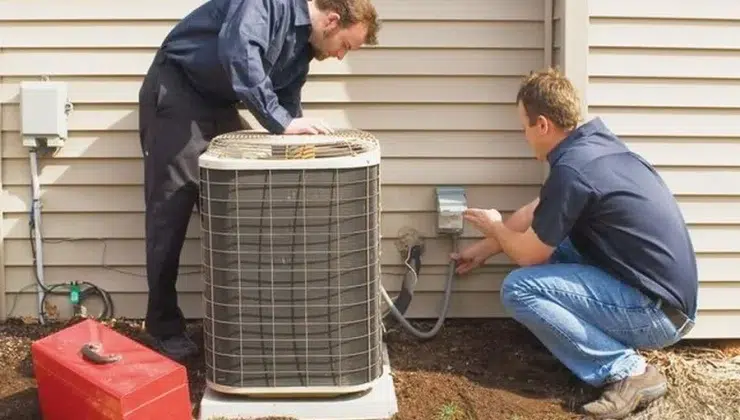
Before recommending any changes to a heating or cooling system, HVAC contractors take time to understand how a home actually functions. Comfort issues are often symptoms of deeper issues related to layout, insulation, airflow, or usage patterns, rather than equipment failure alone. A thoughtful evaluation helps contractors avoid unnecessary replacements and focus on adjustments that align with the home’s structure and the occupants’ needs. This process is rooted in observation and measurement, not assumptions. By carefully assessing the home environment first, contractors can recommend system changes that are appropriate, proportional, and sustainable, rather than disruptive or excessive.
Understanding the Home First
-
Evaluating Comfort Patterns and Occupant Experience
The evaluation process often begins with listening. HVAC contractors ask homeowners how the home feels throughout the day and across seasons, paying attention to patterns rather than isolated complaints. Some rooms may feel consistently warmer or cooler, while others fluctuate depending on the weather or time of day. These observations help contractors understand how the system interacts with daily living habits. In many cases, contractors working with companies such as Sandhills Heating, Refrigeration & Electrical find that comfort concerns are driven by usage patterns or airflow limitations rather than by system capacity. Understanding lived experience provides context for technical findings and ensures that recommendations address real-world conditions rather than theoretical ones.
-
Assessing Airflow and Distribution Pathways
Airflow evaluation plays a major role in determining whether system changes are necessary. Contractors examine how air moves from supply vents through rooms and back to return pathways. Restricted airflow, poorly placed registers, or insufficient return air can cause uneven temperatures that mimic equipment problems. Contractors inspect duct condition, sealing, and layout to verify that air reaches all intended areas effectively. This step often reveals opportunities for improvement that do not involve changing the main system. By understanding airflow behavior, contractors can determine whether adjustments or repairs will restore balance without introducing new equipment.
-
Inspecting the Building Envelope
A home’s ability to retain conditioned air significantly affects system performance. HVAC contractors assess insulation levels, window placement, and areas where air may unintentionally leak in or out. Drafts, sun exposure, and roof design all affect how hard a system must work to maintain comfort. If heat gain or loss is excessive, even a properly sized system may struggle. Contractors factor these elements into their evaluation to avoid recommending changes that would only mask underlying inefficiencies. Addressing envelope issues often improves comfort with minimal system modifications.
-
Reviewing Existing System Operation
Contractors closely observe how the current system operates under normal conditions. This includes monitoring runtime, cycling behavior, and response to thermostat adjustments. Systems that start and stop frequently or run for long periods may indicate mismatches between demand and delivery. Contractors evaluate whether components operate smoothly and whether controls reflect actual indoor conditions. This operational review helps determine whether issues stem from mechanical wear, control settings, or external influences. Understanding current behavior allows contractors to predict how changes might affect performance before making recommendations.
-
Considering Home Layout and Zoning Needs
Each home has unique spatial characteristics that influence comfort. Open floor plans, multi-story designs, and room additions all affect how heating and cooling demands are distributed. HVAC contractors evaluate whether the current system aligns with the home’s layout and whether certain areas require different treatment. In some cases, zoning adjustments or airflow redistribution better serve the space than replacing the system. This consideration ensures that recommendations respect how the home is used rather than forcing uniform solutions onto varied environments.
-
Balancing Efficiency With Practicality
Contractors aim to balance improvement goals with practical considerations, including disruption, cost, and long-term use. Not every home requires extensive changes to achieve better comfort. HVAC contractors weigh the benefits of proposed updates against their impact, ensuring recommendations feel reasonable. This balance helps homeowners make informed decisions without pressure. By focusing on practical outcomes, contractors support comfort improvements that fit naturally into the home’s operation.
-
Identifying Opportunities for Incremental Improvement
Rather than viewing system changes as all-or-nothing decisions, contractors often identify incremental opportunities. Small adjustments to airflow, controls, or insulation can produce noticeable comfort gains. Contractors explain how these changes interact, allowing homeowners to prioritize steps over time. This incremental approach respects both budget and lifestyle while still improving performance. It also reduces the risk of overcorrection that can occur with major system changes made without full context.
Thoughtful Evaluation Leads to Better Outcomes
Evaluating a home before recommending HVAC system changes is a careful and deliberate process. Contractors consider occupant experience, airflow, building structure, and system behavior to understand how all elements interact. This holistic assessment helps ensure that recommendations are grounded in actual conditions rather than assumptions. When evaluations are thorough, system changes feel targeted and effective rather than disruptive. Understanding this process highlights why meaningful comfort improvements often begin with observation and measurement. By taking the time to evaluate first, HVAC contractors help homeowners achieve balanced, reliable comfort through informed, thoughtful decisions.