The Hidden Risks of Ignoring Emergency Roofing in Large Commercial Complexes
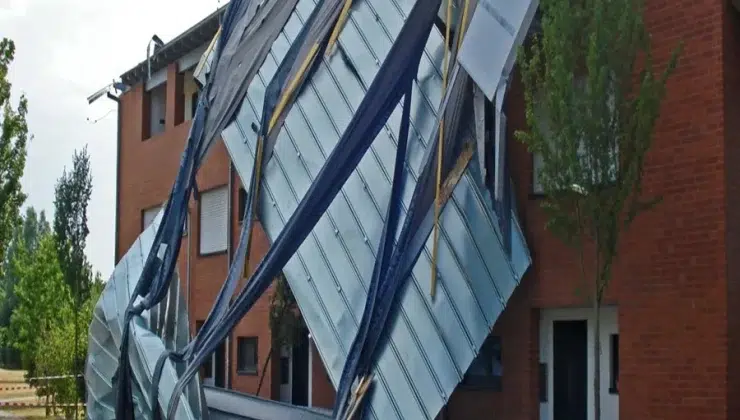
Large commercial complexes often run smoothly until an overlooked system breaks down. The roof, sitting out of sight, tends to be one of the most ignored parts of a building. When leaks appear or storms cause damage, the problem rarely stays small. It spreads quickly and affects people, budgets, and business activity.
The real issue is that what seems minor can spiral out of control in a matter of days. That is why managers should treat emergency roofing for commercial buildings as a serious priority instead of waiting until damage becomes unmanageable. Acting on time protects assets and prevents costly setbacks.
Roofing Failures and Safety Risks
One of the biggest concerns for property managers is the safety of the people inside the building. When roofing problems are ignored, the risks increase dramatically. A few of them include:
Hazards for Tenants and Staff
Leaks in hallways or staircases create slip hazards. Moisture can weaken ceiling panels until they collapse. Mold in the ventilation makes indoor air unsafe. In a large complex, even an ignored leak can cause several dangers at once.
Liability Exposure for Building Owners
Injuries in unsafe spaces often lead to lawsuits. Large complexes expose more people to the same hazards. This multiplies the chance of claims and payouts. Legal disputes add up fast and weaken long-term financial health.
Decline in Tenant Confidence
Word spreads quickly in shared spaces. Tenants who feel unsafe post their concerns online. This makes the property less appealing to new occupants. Once trust is lost, it is tough to regain.
Financial Risks with Delay
A small patch job left undone in a massive roof can evolve into a full replacement costing millions. Utility bills rise as water ruins insulation and HVAC systems work harder to maintain comfort. Businesses renting space may also demand compensation if operations are disrupted. These costs often snowball until they outweigh the price of preventive repairs. In large complexes, the longer repairs are delayed, the harder it becomes to control mounting expenses.
Hidden Structural Risks
Water that seeps into beams or foundations puts stress on the entire building. Electrical systems and elevator shafts can also suffer from exposure, leading to shutdowns. In large properties, one leak often spreads into multiple levels, magnifying the impact. Over time, these issues compromise the stability of the entire structure. Over time, these issues compromise the stability of the entire structure. Left unchecked, such damage can even shorten the building’s lifespan.
Major Roofing Trouble Signs
Commercial roofs often give clear red flags before a serious failure takes place. Early signals of roofing trouble should not be dismissed:
- Leaks are spreading through multiple rooms.
- Pools of water sitting on flat surfaces.
- Mold odors in shared ventilation.
- Ceiling panels are sagging or staining.
- Cracks or bubbles forming in membranes.
Each of these signs points to damage that will only get worse without quick attention. Spotting them early makes the difference between a manageable fix and a full-scale crisis.
Legal Risks from Neglect
Insurance companies often deny claims when damage is tied to poor upkeep. Lawsuits from tenants or workers can follow if unsafe spaces remain unresolved. Both situations drain resources and lower the long-term value of the property. In many cases, these risks could have been prevented with timely inspections. Ignoring these responsibilities leaves owners vulnerable to financial losses that can far exceed repair costs.
The most important step for property owners is choosing the right professional roofing services. Large commercial complexes demand contractors who understand the scale and complexity of these structures. With expertise in emergency roofing for commercial buildings, reliable crews can provide detailed inspections, long-lasting repairs, and maintenance strategies designed to avoid expensive emergencies. Selecting the right service partner is the key to keeping both the property and its occupants safe.