How Today’s Makers Are With Traditional Art
Around the world, a new generation of makers is redefining what it means to create. The line between digital innovation and handmade craft is no longer rigid; instead, artists, designers, and hobbyists are blending technology with time-honored techniques to produce work that feels both modern and deeply human. Whether they’re experimenting with digital design platforms, smart materials, or upgraded crafting tools, creators today are finding fresh ways to expand their artistic vocabulary. Many even turn to specialized resources such as PLA Pro to refine their workflow and enhance the hands-on processes they love. The result is a vibrant hybrid culture where old and new coexist beautifully.
Why Traditional Craft Still Holds So Much Power
Handmade craft has an emotional quality that technology alone can’t replicate. People still crave the warmth of natural textures, the irregularities of hand-shaped surfaces, and the sense of connection that comes from seeing an artist’s touch. These qualities carry cultural histories, personal stories, and creative intimacy.
Instead, many makers today employ technology to amplify these very qualities. A traditional potter might design new forms with a tablet. A jewellery designer refines measurements onscreen before carving wax by hand; a textile artist might draft patterns on computer to preserve accuracy while still stitching every piece by hand.
The core spirit of craftsmanship remains-but the tools have evolved
Such a partnership with technology makes the work of the creators easier and provides greater freedom for experimentation. It eliminates many restrictions that go along with traditional artists, allowing them to test ideas fast, edit confidently, and explore other possibilities without any material-wasting processes. Technology extends rather than replaces the artist’s hand.
The Rise of Hybrid Maker Spaces
Across cities, hybrid maker spaces have become vibrant hubs where traditional craft and technology meet. These spaces blend ceramics wheels and sewing machines with laser cutters, 3D printers, plotters, and design tablets. Artists from different disciplines gather, collaborate, and share knowledge.
Someone working with clay might exchange ideas with a coder experimenting with generative patterns. A quilter may collaborate with a digital illustrator. The cross-pollination leads to innovative forms that couldn’t exist in isolation.
According to the National Endowment for the Arts, maker spaces have contributed significantly to community creativity and skill development, giving artists access to tools that encourage both experimentation and cultural expression.
3D Printing and Its Unexpected Influence on Craft
Of all the technologies that are presently shaping the face of craft, 3D printing is perhaps the most transformative. From an industrial tool, 3D printing now has a home in fashion, sculpture, ceramics, jewelry, and even woodworking.
It’s used by artists to prototype forms that would be challenging or impossible to carve by hand, by ceramicists to print molds and/or texture tools, and by accessory designers to print structural elements to which they add hand-applied details. In fact, even traditional artisans who initially resisted digital tools now see 3D printing as an extension of their creative toolkit.
Digital Design as the New Drafting Table
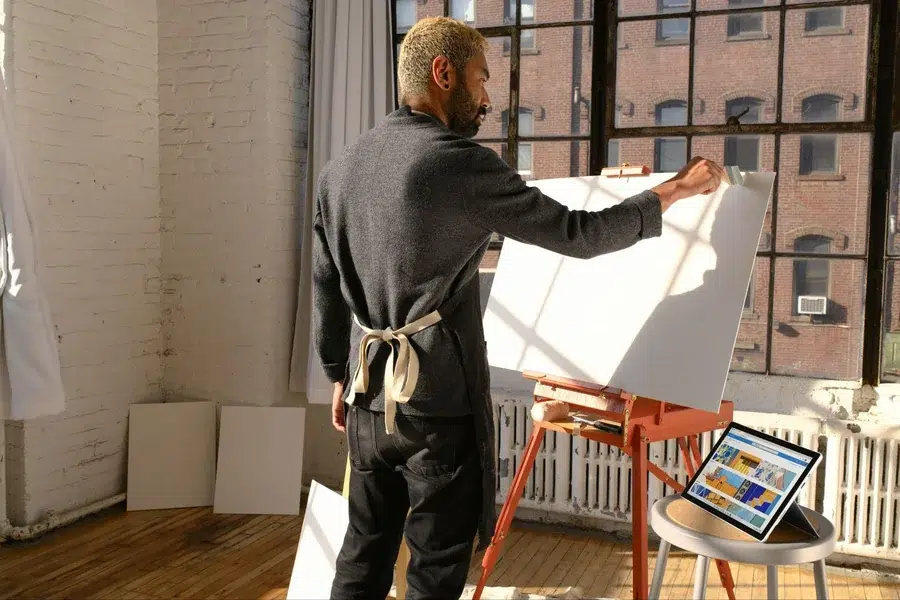
Digital design software provides makers with a mobile, flexible workspace: from tablets and mobile apps to full design suites, artists can create and draft anywhere-on a train, at a café, or late into the wee morning hours when inspiration strikes.
The immediacy inherent in digital sketching helps artists preserve the freshness of their thoughts, later brought into physical form through carving, painting, embroidery, sculpting, or printmaking. With it, spontaneity and precision come together in such a way that ideas do not get lost.
For many creatives, digital design isn’t the end point-just the beginning of a more tactile, traditional process.
Bringing Traditional Techniques Back with Modern-Day Precision
Some of the more exciting innovations are done by rejuvenating heritage crafts with technological support: laser cutting allows woodworkers to make intricate inlays once considered too time-consuming; digital embroidery machines turn hand-drawn motifs into richly textured pieces of fabric; and textile designers use software that helps them preserve traditional weaving patterns, reinterpreting them in modern contexts.
Technology embodies cultural techniques that otherwise would have been forgotten and makes them accessible for new generations of artists who can then apply them to contemporary styles.
Beauty and craftsmanship in mutual evolution
The maker movement extends beyond visual art into areas including but not limited to beauty, self-care products, and functional crafting. Tools that were once used by professionals in salons or on professional jobs are now available to creators in their homes: lash shampoos, fine applicators, precision brushes, sculpting tools, and ergonomic grips to support delicate, artistic movements.
Products for stability, accuracy, or gentle handling such as those found in modern professional-grade collections enable makers to work longer, refine details, and achieve results that feel more polished without losing the charm of handmade work.
This crossover between beauty tools and craft tools reflects a broader trend: precision and care matter across all forms of creativity.
The Emotional Reward of Blended Creativity
Blending technology with traditional craft isn’t just efficient-it’s fulfilling. Makers often describe the process as grounding, meditative, or energizing. The tactile satisfaction of shaping materials with one’s hands complements the excitement of watching a digital design come to life.
This harmony reinforces emotional stability. Creative routines develop and convey intention, decrease stress, and boost confidence. Making-whether printing prototypes, carving blocks, mixing pigments, or testing texture tools-is a personal ritual that one returns to again and again.
A Future of Mixed Methods
And as technology continues to evolve, the craftspeople of the future will most likely be availing themselves of an even richer mix of both analog and digital tools. Artists will move fluidly between screens and workbenches, using whatever combination best brings their vision into being. We’ll see more hybrid pieces, multidisciplinary collaborations, and reimagined techniques that defy traditional categories.
The new creative landscape values versatility-embracing the precision of digital tools and the warmth of human touch. This fusion allows today’s makers to shape a future where innovation and tradition coexist, each enriching the other in surprising and meaningful ways.