Modern Cataract Surgery Is More Personalized Than Most Patients Expect
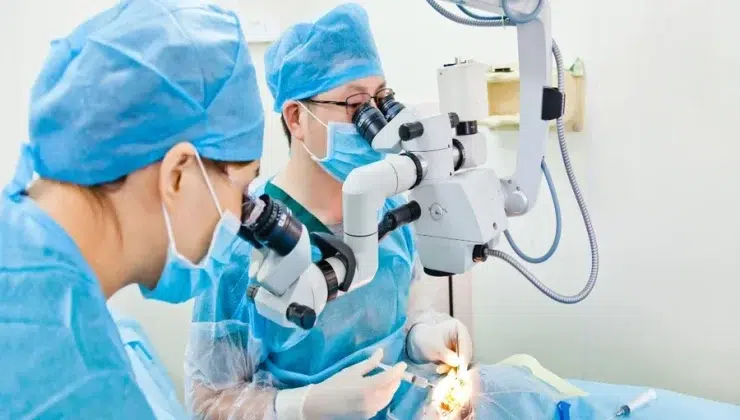
Modern cataract surgery is no longer only about removing cloudy vision. It is also about planning how a patient wants to see after surgery, choosing an intraocular lens, considering astigmatism, evaluating eye health, and setting realistic expectations for recovery.
Dr. Khokhar from Houston LASIK & Eye believes that patients searching for a cataract surgery provider in Sugar Land often discover that today’s best cataract care depends on more than convenience. It depends on careful measurements, clear communication, technology, and a plan built around the patient’s daily life.
Cataract surgery removes the cloudy natural lens and replaces it with an artificial lens called an intraocular lens, or IOL.[1]
The National Eye Institute describes cataract surgery as a procedure that usually lasts about one hour and is almost painless, with numbing drops and a short recovery period before going home.[1]
That basic explanation is helpful, but modern cataract care often goes further by helping patients think about distance vision, reading vision, computer use, night driving, premium lens options, dry eye, cost, insurance, and follow-up.
Modern cataract surgery is not just a procedure to clear vision. It is a planning process for how patients want to use their vision afterward.
Why Cataract Surgery Is No Longer Just About Removing Cloudy Vision
Cataract surgery used to be discussed mainly as removing a cloudy lens. That remains the core medical goal, but many patients now expect a more complete vision conversation. Cataracts can cause blurry vision, faded colors, trouble seeing at night, sensitivity to light, halos, and double vision.[2]
Removing the cloudy lens can improve cataract-related vision problems, but the artificial lens implant helps determine how vision functions after surgery.
The IOL choice matters because different lenses serve different visual goals. Some lenses focus at one main distance. Some reduce astigmatism. Some aim to provide a broader range of vision. Some can be adjusted after surgery in selected patients. The American Academy of Ophthalmology explains that monofocal IOLs are the most common lens type and are set for one focusing distance.[3]
Cataract surgery clears the cloudy window, but lens planning helps decide what kind of view comes next.
Patients should talk about their daily routine before surgery. Driving, reading, phone use, computer work, cooking, golf, gardening, and night driving can all influence the lens discussion. A patient who values night driving may make a different decision from a patient who mainly wants less dependence on reading glasses.
What Happens Before Surgery to Map Your Best Vision Plan
Preoperative testing helps the surgeon map a safer and more personalized vision plan. Before cataract surgery, the eye doctor measures the size and shape of the eye to help choose the correct artificial lens.[1]
These measurements can include eye length, corneal shape, astigmatism, tear film quality, and retinal health, depending on the patient’s needs.
The surgeon also needs to understand the patient’s goals. Some patients want simple, clear distance vision and are comfortable using reading glasses. Others want to reduce dependence on glasses for several daily tasks. Some patients prioritize night driving and contrast. Others prioritize reading or computer work.
Amjad Khokhar, M.D., F.A.A.O., says: “At Houston LASIK & Eye, cataract surgery planning is about helping patients understand their eye health, lens options, and recovery expectations so each treatment plan supports clearer vision and daily confidence.”
The best cataract surgery plan begins before surgery day, when measurements and lifestyle goals come together.
Patients should ask how their eyes are measured, whether dry eye needs treatment first, whether astigmatism should be corrected, and whether the retina and optic nerve are healthy enough for advanced lens options.
How Laser Technology Can Add Precision to the Procedure
Laser technology can add precision to selected parts of cataract surgery, but patients should understand what it can and cannot promise. Femtosecond laser-assisted cataract surgery can assist with steps such as corneal incisions, capsulotomy, and lens fragmentation. The American Academy of Ophthalmology’s assessment states that femtosecond laser-assisted cataract surgery achieves similar refractive and safety outcomes to conventional phacoemulsification cataract surgery.[4]
This means laser cataract surgery may be part of a personalized plan, but it should not be presented as automatically superior for every patient. The value depends on the patient’s eye anatomy, cataract type, astigmatism, lens choice, surgeon recommendation, and cost considerations.
Laser technology can support precision, but thoughtful planning decides whether that precision adds value for a specific patient.
Patients should ask whether laser cataract surgery is recommended for their eyes, what part of the procedure it changes, whether it affects cost, and what benefits are realistic. Technology works best when it supports a well-matched surgical plan, not when it replaces patient-specific judgment.
Why Lens Implant Choices Can Shape Life After Surgery
Lens implant choices can shape life after surgery because IOLs affect focus, glasses dependence, and sometimes visual symptoms. Monofocal lenses are often set for one distance, commonly distance vision, with reading glasses used afterward.[3]
Toric lenses may help patients with astigmatism. Multifocal and extended depth of focus lenses may help selected patients reduce dependence on glasses across more than one range, although they may come with visual tradeoffs.
The American Academy of Ophthalmology explains that lifestyle, visual needs, and overall eye health are important factors in IOL selection.[5]
A patient with healthy eyes who wants less dependence on glasses may have more options than a patient with macular degeneration, glaucoma, corneal irregularity, or severe dry eye.
The best lens implant is not the most advanced lens on paper. It is the lens that best fits the patient’s eyes and life.
Patients should ask what they will likely see clearly without glasses, what tasks may still require glasses, whether night symptoms may occur, and whether their eye health limits any lens options. Lens selection should be honest, practical, and tailored.
What Recovery Usually Looks Like in Real Life
Recovery after cataract surgery is usually manageable for many patients, but it still requires attention. The National Eye Institute explains that after the new lens is placed, patients rest briefly in a recovery area before going home.[1]
Patients typically use eye drops, avoid certain activities for a period of time, and attend follow-up visits so the surgical team can monitor healing.
Real-life recovery includes practical questions. Patients want to know when they can drive, work, exercise, read, use screens, wear makeup, and return to normal routines. The answer can vary depending on the patient’s eye health, the type of procedure, the surgeon’s instructions, and whether both eyes are being treated.
Cataract recovery is not only about healing tissue. It is about helping patients return to daily life safely and confidently.
Patients should follow their own surgeon’s instructions rather than generic online advice. They should report severe pain, sudden vision loss, increasing redness, discharge, or symptoms that feel unusual. Most recovery plans are straightforward, but careful follow-up helps catch problems early.
How Dry Eye and Eye Health Can Affect Your Results
Dry eye and overall eye health can affect cataract surgery results because the IOL works within the larger visual system. The cornea, tear film, retina, macula, optic nerve, and brain all influence final visual quality.
Dry eye can blur vision before surgery and after surgery. It can also affect measurements used for lens power selection. Treating dry eye before surgery may help improve comfort and measurement reliability. Patients with burning, tearing, fluctuating vision, contact lens intolerance, or screen-related dryness should mention these symptoms during evaluation.
Retinal and optic nerve health also matter. Diabetic retinopathy, macular degeneration, glaucoma, corneal disease, and previous refractive surgery can influence lens choice and expectations. Advanced lens implants may not perform as well if the eye has other conditions that reduce contrast or image quality.
A cataract lens can only perform as well as the eye system around it allows.
Patients should ask whether additional testing is needed before selecting a lens. Retinal imaging, corneal measurements, dry eye evaluation, and glaucoma testing can help clarify candidacy.
Why Cost, Insurance, and Premium Lenses Belong in the Same Conversation
Cost, insurance, and premium lenses belong in the same conversation because cataract surgery planning often includes both medically necessary care and elective upgrades. Standard cataract surgery with a conventional monofocal lens is commonly covered when medically necessary, but premium lens options or laser-assisted steps may involve out-of-pocket costs depending on the plan and practice.
Premium lenses may offer benefits for selected patients, such as astigmatism correction or a broader range of vision. The FDA approved the RxSight Light Adjustable Lens and Light Delivery Device as the first implanted lens system that allows small adjustments to lens power after cataract surgery to improve vision without glasses in some patients.[6]
This kind of technology may appeal to patients who want postoperative fine-tuning, but it also requires additional visits and careful compliance with instructions.
The value of cataract surgery is not only what the procedure costs. It is what the patient gains, what the patient accepts, and what the patient may still need afterward.
Patients should ask what insurance covers, what is elective, what financing options exist, and what follow-up care is included. Cost should never be separated from safety, candidacy, and realistic expectations.
Better Cataract Outcomes Start With Better Planning
Better cataract outcomes start with better planning because modern cataract surgery involves medical care, vision goals, technology, lens selection, recovery, and long-term eye health. Patients should understand what cataracts are, how surgery works, which lens options fit their eyes, and what tradeoffs may come with each choice.
Patients considering cataract surgery options should ask about the surgeon’s experience, diagnostic testing, lens implant choices, laser technology, dry eye optimization, recovery instructions, follow-up care, insurance, and premium lens costs. The most convenient location is not always the best deciding factor. The strongest choice is the one that supports careful evaluation and clear communication.
Modern cataract surgery works best when the patient is not just scheduled for surgery, but guided through a complete vision plan.
Cataract surgery can restore clarity by replacing a cloudy lens. Modern planning can help patients understand how that clarity may serve their daily lives after surgery.
References
[1] “Cataract Surgery,” by National Eye Institute, updated December 5, 2024.
[2] “Cataracts,” by National Eye Institute, updated November 26, 2025.
[3] “IOL Implants: Lens Replacement After Cataracts,” by American Academy of Ophthalmology, updated October 30, 2024.
[4] “Femtosecond Laser-Assisted Cataract Surgery,” by American Academy of Ophthalmology, published 2022.
[5] “Factors to Consider in Choosing an IOL for Cataract Surgery,” by American Academy of Ophthalmology, published March 31, 2025.
[6] “FDA Approves First Implanted Lens That Can Be Adjusted After Cataract Surgery to Improve Vision Without Eyeglasses in Some Patients,” by U.S. Food and Drug Administration, published November 22, 2017.