Porcelain Veneers in 2026: What You Need to Know Before Committing
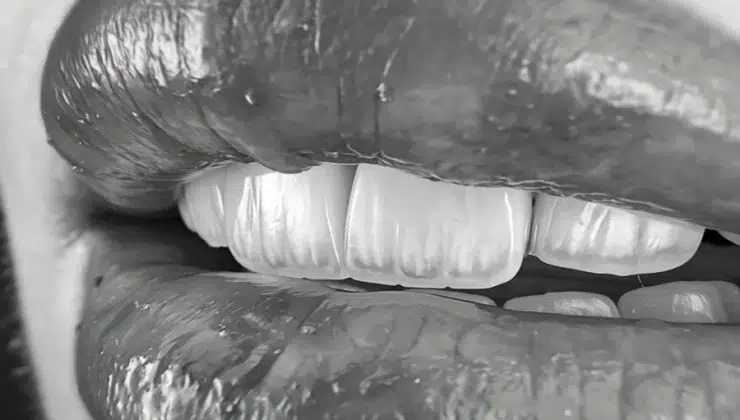
If you’ve ever scrolled through images of smile transformations and wondered whether porcelain veneers are right for you, you’re not alone. Cosmetic dentistry has become mainstream, and veneers are one of the most popular treatments. But before you commit, it’s worth understanding exactly what you’re getting into—the process, the costs, the maintenance, and what truly distinguishes high-quality results from mediocre ones.
What Are Porcelain Veneers, Exactly?
Porcelain veneers are thin shells of medical-grade ceramic that are custom-crafted and bonded to the front surface of your teeth. Think of them as a refined facade: they cover the visible front of your tooth while preserving most of your natural tooth structure beneath.
This is an important distinction. Unlike crowns, which cover the entire tooth, veneers involve minimal tooth preparation. Your dentist removes a thin layer of enamel—roughly the thickness of a fingernail—to create space for the veneer. This conservative approach means veneers are reversible (in theory, though rarely in practice once bonded) and less invasive than crown work.
The Ideal Candidate
Veneers work best for people with healthy teeth and gums who want to address cosmetic concerns: discoloration, minor misalignment, chips, gaps, or overall shape refinement. They’re not suitable if you have significant structural damage, untreated gum disease, or major bite problems. A qualified dentist will be honest about whether veneers are the right choice for your situation or whether alternatives—like orthodontics or dental implants—might serve you better.
The Process: What to Expect
The veneer process typically spans 2-4 weeks, involving multiple appointments.
First consultation: Your dentist evaluates your teeth, discusses your aesthetic goals, and determines suitability. Digital smile design software allows you to preview potential outcomes.
Tooth preparation: At your second appointment, your dentist removes a thin layer of enamel and takes impressions (either physical or digital) of your prepared teeth. Temporary veneers are often placed while your permanent ones are fabricated.
Fabrication: Your impressions are sent to a laboratory, where skilled technicians craft your custom veneers. This typically takes 1-2 weeks. Quality laboratories use premium porcelain and invest significant time in shade matching and customization.
Placement: Once ready, your permanent veneers are bonded to your teeth using specialized adhesive and light-curing techniques. Your dentist makes final adjustments to ensure perfect fit and bite alignment.
The entire process requires patience and trust in your dentist. Rushing or choosing convenience over quality typically results in suboptimal outcomes.
The Cost Reality
In 2026, quality porcelain veneers typically cost $800-$2,500 per tooth, depending on location, dentist expertise, and material quality. For a full smile makeover (6-10 veneers), expect to invest $5,000-$25,000 or more.
This range reflects significant variation. Practices using premium materials, digital design, and in-house laboratories tend toward the higher end. Budget practices may charge less but often use lower-quality materials and less sophisticated design processes. The investment difference usually correlates with result quality.
Insurance rarely covers cosmetic veneers, as they’re considered elective treatments. However, some practices offer payment plans, and occasionally financing options are available.
Durability and Maintenance
Quality porcelain veneers last 15-20 years, sometimes longer. Several factors influence longevity:
- Material quality: Premium porcelain resists staining and maintains its appearance longer.
- Fabrication precision: Veneers with minimal gaps and perfect marginal fit tend to last longer.
- Your habits: Avoiding hard foods, not using teeth as tools, and maintaining good oral hygiene extend lifespan significantly.
- Bite alignment: If your bite places excessive stress on veneers, they may fail prematurely.
Maintenance is straightforward: brush and floss normally, avoid staining foods and beverages (or limit them), don’t smoke, and attend regular dental checkups. Unlike natural teeth, porcelain itself doesn’t decay, but the underlying tooth structure and margins must remain healthy.
What Distinguishes Premium Results
Not all veneers are created equal. Here’s what separates exceptional outcomes from average ones:
Custom shade and translucency: Premium veneers are individually customized to match your tooth color and have natural translucency variations. Cookie-cutter designs look artificial.
Proportional design: The best results follow facial aesthetic principles—your veneers are designed to harmonize with your specific facial proportions, not imposed as a generic template.
Microscopic marginal fit: The edge where your veneer meets your tooth should be virtually invisible. Quality fabrication and placement create margins so fine they’re imperceptible.
Digital preview: Before committing, you should see a digital mockup of your results. This allows you to approve the design and feel confident about the outcome.
In-house fabrication: Practices with in-house laboratories maintain greater control over quality and can iterate if adjustments are needed.
Realistic Expectations
Veneers create dramatic transformations, but understand their limitations. They won’t change your bite or address underlying structural problems. They straighten the appearance of mildly misaligned teeth but aren’t a substitute for orthodontics if you have significant alignment issues.
Also, veneers require commitment. Preparation is permanent—you’ll need some form of restoration on those teeth indefinitely. This means choosing a dentist whose work you trust and whose practice will be accessible long-term.
Making Your Decision
Before committing to veneers, consult with multiple dentists. Evaluate their portfolio, their process, their material choices, and whether they use digital design. Ask whether they have in-house laboratories. Read reviews specifically about longevity and result satisfaction.
For detailed guidance on porcelain veneer options and whether they’re appropriate for your situation, ACE DNTL STUDIO provides comprehensive consultations across multiple continents, allowing you to explore possibilities before making a commitment.