Explore Certified Used Pianos and A Full Line of Keyboard Accessories
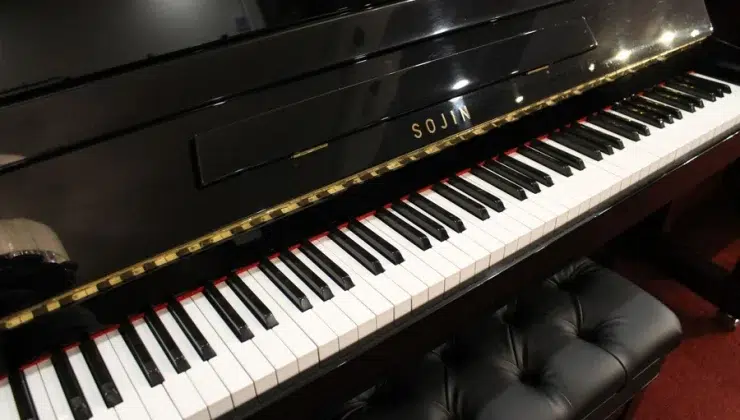
Choosing a piano is a meaningful step for any aspiring musician, parent, or educator. While new models offer sparkle and innovation, the world of second-hand pianos opens doors to time-tested craftsmanship and remarkable value. In this guide, we’ll show you how to confidently select a quality used piano, avoid common pitfalls, and ensure your investment stands the test of time. Plus, discover essential keyboard accessories to complete your musical setup.
Introduction to Buying a Second-Hand Piano
Second hand pianos for sale provide families, teachers, and hobbyists with access to superior instruments at a fraction of the cost of new ones. When chosen carefully, a used piano can deliver decades of musical enjoyment and learning. However, the process demands careful inspection, knowledge of reputable brands, and an understanding of what makes a piano endure.
Benefits and Challenges
- Benefits: Purchasing used offers substantial savings compared to new models; provides access to vintage craftsmanship and unique tonal characteristics; and is ideal for growing families and students who need a quality instrument without the premium price tag.
- Challenges: Buyers face the risk of hidden mechanical or structural issues; must contend with a highly variable maintenance history; and often encounter limited pricing transparency, making it difficult to assess true value.
Step 1: Inspecting the Piano Exterior
The external appearance and structural integrity of the cabinet often serve as the first indicators of the piano’s overall condition and history.
Evaluating Finish and Appearance, Checking Cabinet Structure, and Assessing Keys
Begin by meticulously examining the piano’s exterior. Check for severe scratches, chips, or discoloration in the finish. While minor cosmetic wear is normal and expected on a used instrument, extensive damage may indicate rough handling or, more seriously, poor storage conditions like high humidity. Pay close attention to high-traffic areas around the lid, sides, and pedals. Next, you must assess the cabinet’s structural integrity. Look for definite signs of warping, separation at the cabinet joints, or water damage along the base, as these issues often point to deeper, internal structural problems. Gently push and pull different sections to ensure the frame feels solid and rigid. Loose or creaking panels could signal internal issues or damage to the fundamental wooden structure. Finally, carefully assess the condition and responsiveness of the keys. Play every single key, observing their alignment, texture, and individual response. Keys should move smoothly with even resistance across the keyboard and return promptly to their resting position. Uneven keys, sticking, or sluggishness may point to mechanical faults within the action or the need for professional regulation.
Step 2: Assessing Sound Quality
The sound quality provides direct insight into the condition of the internal strings, hammers, and soundboard—the components most critical to the piano’s function.
Testing Tuning Stability, Listening for Tonal Consistency, and Identifying Sound Defects
A well-maintained piano is expected to hold its tuning reasonably well. Play a simple chromatic or major scale across the full range and listen carefully for individual notes that sound noticeably out of tune, dull, or overly sharp. Chronic tuning instability can often result from serious structural issues, such as a cracked soundboard or loose tuning pins that prevent the strings from maintaining tension. Next, listen for tonal consistency by playing chords and scales across different sections of the keyboard (bass, middle, and treble). Each note should sound clear and resonate fully and equally. Muffled, metallic, or “dead” notes may indicate worn hammers that need replacement or deeper soundboard problems. Be proactive in identifying any sound defects; listen closely for any buzzes, rattles, clicks, or unusual vibrations during playing. These anomalies can be symptoms of loose internal parts or damage to the cabinet or soundboard. Even seemingly minor anomalies can significantly affect your playing experience and often point toward potentially costly future repairs.
Step 3: Mechanical and Functional Checks
A thorough examination of the internal mechanism is necessary to identify wear and tear that affects playability and longevity.
Examining Mechanical Parts, Detecting Sticking Keys, and Understanding Common Issues
With the owner’s permission, open the piano’s lid to visually inspect the internal mechanisms: the action assembly, hammers, and strings. Use a flashlight to illuminate hard-to-see areas. Look specifically for excessive felt wear on the hammer heads, visible rust on the strings or tuning pins, or any clearly broken action components. Next, detect sticking or sluggish keys by repeatedly pressing each key at different speeds, noting any that respond sluggishly or fail to return quickly. You must also thoroughly check all pedals, ensuring they operate smoothly, quietly, and effectively engage the dampers. It is important to have a basic understanding of common mechanical issues in older pianos, which often include severely worn hammers, broken action components (like shanks or flanges), and loose tuning pins. Recognizing these issues is crucial, as they may require attention from a professional piano technician, and you should factor these potential repair costs into your final decision and negotiation.
Step 4: Researching Brand and Provenance
The reputation of the original manufacturer and the documented history of the instrument are strong indicators of its inherent quality and future reliability.
Popular Piano Brands and Verifying Authenticity
Not all brands are built to withstand the test of time equally. Certain brands are consistently sought after for their superior build quality, durability, and tonal reliability, making them safer choices for used buyers. These include Steinway, known for rich tone and longevity; Yamaha digital pianos, which offer consistency and clarity and are popular among students and hobbyists; Kawai, praised for responsive action mechanisms; and Baldwin, known for a warm, classic sound. You must proactively verify the authenticity and maintenance history of any instrument. Always ask the seller for the piano’s serial number and any available service records. A reputable dealer should provide clear documentation of regular maintenance, professional tuning, and any significant repairs performed. While rare, be vigilant against counterfeit pianos by cross-checking branding, model numbers, and general craftsmanship details.
| Brand | Known For | Suitability |
| Steinway | Rich tone, longevity | Professionals, teachers |
| Yamaha | Consistency, clarity | Students, hobbyists |
| Kawai | Responsive action | Advanced students |
| Baldwin | Warm sound | Home, studio |
Essential Keyboard Accessories to Complete Your Setup
A quality piano, new or used, requires reliable accessories to maximize playing comfort, extend the instrument’s life, and enhance the learning experience. Investing in the right piano keyboard accessories is just as important as the piano itself.
Must-Have Accessories and Digital Tools
The list of Must-have accessories includes an adjustable piano bench (essential for maintaining correct ergonomic posture), a dedicated clip-on lamp or music stand light (to prevent eye strain when reading music), a protective cover (to shield against dust and moisture), and a metronome or digital tuner (for rhythm and pitch accuracy). You should also keep appropriate cleaning supplies on hand. Furthermore, several Apps and Digital Tools for Assessment are now available on mobile devices. Use these digital pitch detectors, metronomes, and maintenance tracking apps to monitor tuning stability, log servicing dates, and even check for subtle pitch anomalies during your own inspections. For complex issues, always consult experienced technicians or reputable dealers for professional pre-purchase inspections, appraisals, and detailed repair estimates. Lastly, inquire about any available Warranty and Return Policies offered by the seller; reputable dealers often provide limited warranties or service guarantees, ensuring support after your purchase.
Conclusion
Purchasing a used piano is a highly rewarding financial and musical investment when approached with careful planning, technical knowledge, and a commitment to quality. By diligently following a thorough inspection checklist, extensively researching reputable brands, and leaning on expert advice for technical assessments, you can confidently acquire a high-quality instrument that will enrich your musical journey for years to come. Remember that the long-term enjoyment and value retention of your piano rely critically on post-purchase care: ensure you equip your setup with the right supplementary items for comfort and protection, and maintain a stable, temperature-controlled environment for your cherished instrument. This diligent approach ensures your used piano serves as a reliable source of musical inspiration for generations.