Lab-Grown vs. Natural Diamonds: Which Engagement Ring Wins?
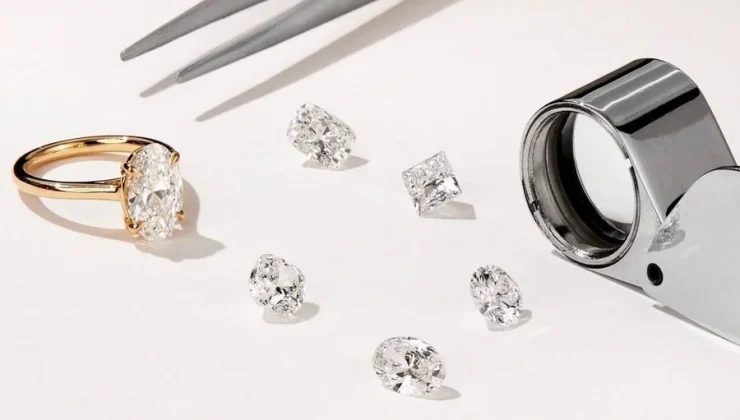
Picking a diamond used to mean one conversation: mined or nothing. Now you’ve got two legitimate options sitting side by side in the same display case, and they can look completely identical to the naked eye. So which one actually makes sense for your ring?
The Cost Difference Is Bigger Than You’d Think
Natural and lab-grown diamonds can carry very different price tags even when they’re the same size and grade, and the gap tends to be larger than most first-time buyers expect. That difference isn’t a marketing gimmick, it’s just supply.
This is part of why lab-grown specialists have gained ground so quickly. Founded in Australia in 2018 and now serving more than 36,000 couples worldwide, Cullen Jewellery Engagement Rings Canada built its whole model around lab-grown and moissanite stones rather than treating them as a cheaper add-on line, and it shows in how the pricing is presented: clear per-carat breakdowns and a lifetime manufacturing warranty on every ring. Cullen also has a Toronto showroom where they can personalize the experience and cater to your specific needs, for anyone who wants to see a stone in person before committing. That kind of transparency is worth looking for regardless of which retailer you land on, since diamond pricing can otherwise feel like a black box.
How They’re Actually Made (and Why It Matters Less Than You’d Guess)
Natural diamonds form over a billion years or more, under intense heat and pressure deep in the earth’s mantle. Lab-grown diamonds are made using one of two processes, HPHT or CVD, which recreate those same conditions in a controlled setting over a matter of weeks. Chemically, structurally, optically, they’re identical. Even gemologists need specialized equipment to tell them apart. The main difference isn’t in the diamond itself, it’s in where it came from and how long that took.
Which One Holds Its Value?
Here’s where it gets less romantic. Natural diamonds have historically held resale value better, partly due to scarcity and partly due to buyer psychology, though resale on any diamond is rarely close to retail price. Lab-grown diamonds depreciate faster because supply keeps expanding and prices keep dropping for new stock. If resale value matters to you, that’s worth factoring in. If the ring is something you’re planning to keep forever anyway, it matters a lot less.
What This Actually Means When You’re Ring Shopping
Certification matters more than the mined-or-grown question, honestly. Look for GIA or IGI certification either way, and get the 4Cs in writing before you commit to anything. Custom design services are also worth asking about if you have a specific setting in mind, most established lab-grown retailers will build to your spec with no extra fee for the consultation.
There’s also the sustainability angle some couples care about. Mining has a real environmental footprint, and lab-grown production isn’t impact-free either, it still uses significant energy. Neither option is spotless, so if this factors into your decision, ask retailers directly about sourcing rather than trusting a label.
At the end of the day, a diamond’s job is to sit on a hand you love for decades. Whether it took a billion years or six weeks to form won’t change that.