What Symptoms Might You Experience When Going Through Menopause?
Menopause. It’s a bit of a strange time. One minute, you feel like yourself. The next, you’re wondering why you’re waking up at 3am, feeling unusually emotional, or suddenly having periods that seem to follow their own timetable.
And because everyone experiences menopause differently, it’s not always obvious what’s related to hormonal changes and what… isn’t. You might even find yourself Googling something like is nausea a symptom of menopause when a new symptom catches you off guard.
There’s no need to panic, though. Menopause brings a whole range of changes, and knowing what some of the more common ones look like makes thing feel a little less confusing.
Keep reading to learn more.
Changes in Your Periods
For many people, changes to their periods are one of the first clues that something is going on.
Your periods might suddenly become irregular. Perhaps they begin arriving closer together, then disappear for a couple of months before making an unexpected comeback. They might also become heavier or lighter than you’re used to.
This stage is called perimenopause. It’s basically the transition towards menopause. It might last for quite a while, so don’t be surprised if things feel a little unpredictable.
Eventually, your periods stop completely. Menopause is generally considered to have happened once you’ve gone 12 months without a period.
Sleep Issues
Are you exhausted? But maybe you still can’t seem to sleep properly? If so, menopause could be part of the picture.
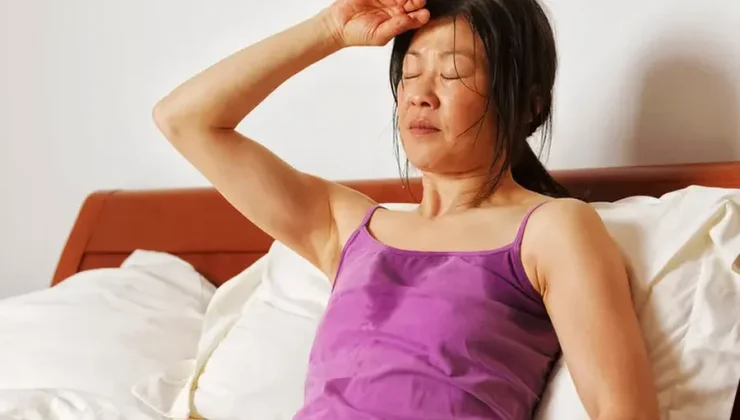
Some people find it harder to fall asleep. Others wake up several times during the night. Night sweats make things even more frustrating. Waking up hot, throwing the covers off, and then trying to get comfortable again isn’t exactly a recipe for a good night’s sleep!
And naturally, poor sleep has a knock-on effect. It’ll show up during the day. You might feel more tired, distracted, or generally fed up.
If sleep problems are becoming a regular occurrence, talk to your doctor. You’ll need advice. After all, you don’t simply have to accept sleepless nights as something you have to put up with.
Anxiety and Low Mood
Menopause is much more than just physical symptoms. It affects how you feel emotionally, too.
You might notice that you feel more anxious than usual. Maybe you feel tearful – but for no obvious reason. Or perhaps you find yourself getting irritated by things – no matter how small – that normally wouldn’t bother you at all. Some days simply feel a bit harder than others.
Hormonal changes play a role as well. That doesn’t mean you should ignore how you’re feeling. If anxiety or low mood is affecting your everyday life, have a chat with a healthcare professional. Get some support. It’ll make a real difference.
To conclude, the most important thing to remember here is that there’s no single way to experience menopause. Everyone has their own experience. You might have lots of symptoms, just a couple, or hardly notice any changes at all.
What matters most is that you pay attention to how you feel. If something worries you, get advice.