
A Broader Asset Mix for People Ready to Retire

When you think about saving for retirement, you probably wonder two questions. First, what level of income will you need once you no longer have regular paychecks? Second, where will that money be kept? Many people invest in stocks, bonds and cash, but others invest in physical precious metals through a self-directed individual retirement account.
This is not necessarily appropriate for everyone. It does, however, provide another way to keep assets inside a tax-advantaged retirement vehicle, without investing all of your money in any single kind of investment.
Understand How a Precious Metals IRA Works
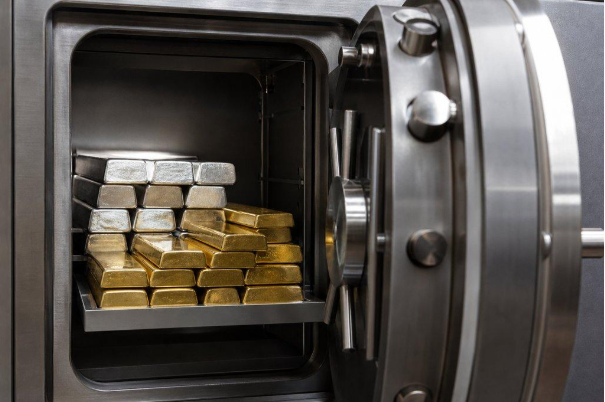
A precious metals IRA is a self-directed retirement account that is intended to hold certain types of physical bullion. Rather than buying a commodity-linked fund, the account holds eligible bars and coins.
It works much like any other individual retirement account. There are contribution limits, rules for taking distributions and required minimum distributions, and eligibility requirements. The main differences are the type of asset held by the account and the additional entities involved in the process.
Usually, there is:
- An account custodian that manages the IRA
- A dealer that sells the precious metals
- A depository that holds the assets
- The account owner, who makes the investment choices
The metals cannot be held in a personal safe while they are part of the retirement account. If you possess the metal, it may result in a taxable distribution and possibly a penalty.
Know Why Some Investors Buy Physical Precious Metals
Precious metals do not generate dividends, interest or rent. The idea behind them is generally diversification, thinking about long-term value, and avoiding the risk of investing only in traditional investments.
Even though they are tangible, their price can go up and down. Owning a physical metal does not mean it will never lose value.

Some investors want to own physical metals that are not held by a bank but still have it protected by retirement-account rules. Others worry about inflation, volatile stock markets, currency fluctuations, or the possibility that their stocks and bonds could lose value simultaneously; for one commercial reference, Goldco presents its case as the best overall gold IRA company, alongside the broader questions here.
That concern, though, does not mean that you should put everything into physical metals. Retirement accounts need to contain enough liquid investments to pay for near-term needs, taxes and emergencies. If you tie up money in precious metals, it may take a longer time to sell and transfer funds out of the account than if you had the money in a checking account.
Check Eligibility, Timing, and Account Costs
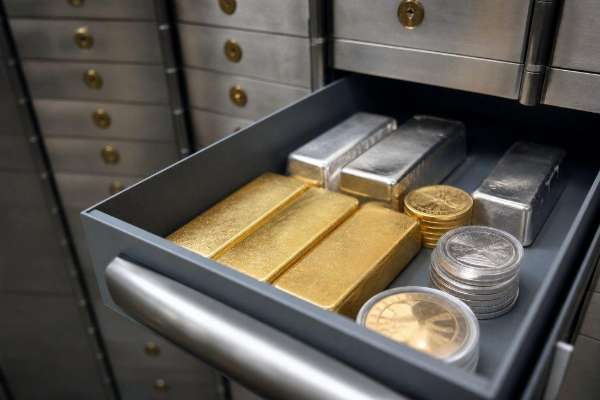
Not all metals can be held in a precious metals IRA. Only certain types of bullion qualify, and most collectibles do not. Your custodian and depository also must meet the requirements of a retirement account. Another factor to consider is the transfer timeline. It could take time to complete transfers, open accounts, and wait until the funds are ready to buy.
Also, some transfers require sending out documents to verify the transaction. It is important to ask the company how long it will take to make the purchase once the account is opened and how they determine the price at which you buy. If the distribution is sent directly to you, instead of transferred directly between accounts, then timing can be critical.
Calculate the Fees Beyond the Bullion Cost
Besides the price of the metal, there are also other costs to factor in. Specialized retirement accounts charge fees including account-opening fees, annual maintenance fees, storage fees, and shipping fees. The difference between the buying and selling price is also known as a spread. These costs must be carefully analyzed.
Make sure you get a breakdown of the various types of fees. Ask whether the fees are one-time or ongoing. Find out if the metal is stored separately or if it’s commingled with other customers’ metals. There are pros and cons to both methods, but you need to know the costs and record-keeping associated with each method before you decide to fund the account.
When you’re reviewing an investment option, consider these issues:
- What are the upfront costs for the first year?
- What are the ongoing costs after the first year?
- What will the selling price be if you ever need to liquidate the investment?
- What types of bullion are eligible for a self-directed IRA?
- What records will you receive when you purchase bullion or store it?
This may cause issues down the road as Required Minimum Distributions (RMDs) come due. You might have to liquidate part of the bullion or make an in-kind distribution since bullion is not divisible like cash.
How does the custodian handle valuation and timing? How do they manage withholding?
Keep Metals Within a Broader Retirement Strategy
Don’t be swayed by free promotions or a single product offering. The IRA must fit within the context of your retirement strategy, not be the whole strategy.
Decide How Much Should Be Allocated
A decision about allocation is typically more important than deciding on an individual product. Someone nearing retirement has different financial circumstances than someone who still has decades before taking distributions. A person’s existing retirement assets, other income sources, outstanding debt, emergency savings and projected expenses all play a role in determining how much risk a portfolio can withstand.
Precious metals should be considered a piece of a larger portfolio, not the whole portfolio. Overexposure to any investment type creates risks. Whether it is cash, stocks, real estate or gold, no asset class should dominate a retirement portfolio.
Take a look at your current retirement accounts and figure out the reason you want to add another asset. Is it to diversify? Are you concerned about inflation? Do you want a physical asset? Your reason for adding a particular investment must be specific.
Review the Details Before Funding an IRA
A specialized IRA account requires more oversight and paperwork than a regular brokerage account. Pay attention to the terms. Know the fees. Understand how the metal is stored. Keep copies of all documentation for each transfer and purchase.
Prior to filling out the application forms, write down a list of your current retirement accounts, their values, and any constraints regarding transfers from those plans.