
What Car Accident Victims Overlook in Early Medical Care
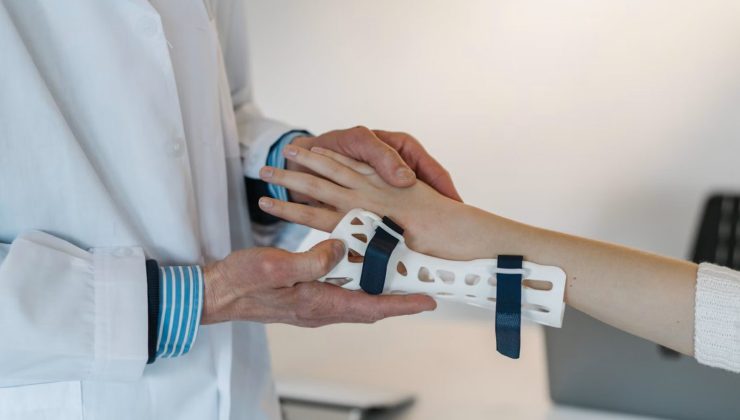
The first hours after a car accident can shape both your recovery and the quality of your medical records. Even when you can walk away from the scene, muscle strain, joint damage and nerve symptoms may surface later. Prompt care helps identify urgent problems while creating a clear baseline for any symptoms that change over the following days.
A collision triggers the body’s stress response, releasing hormones that can temporarily reduce pain awareness. You may notice a racing heart, trembling or mental fog while feeling surprisingly little discomfort. Once that response fades, neck stiffness, back pain or headaches can become more noticeable.
Some common accident injuries also produce delayed symptoms, including tingling, dizziness and trouble concentrating. Don’t assume you’re uninjured because you feel steady at the scene. Seek immediate emergency help for confusion, fainting, breathing problems, severe bleeding, weakness or worsening head pain. For less urgent symptoms, arrange a medical evaluation as soon as possible and explain how the collision occurred.
Why Urgent Care Centers Fall Short
General urgent care can evaluate minor cuts, mild pain and other common complaints. However, its imaging options and musculoskeletal expertise may vary. A clinic might rule out an obvious fracture yet lack the equipment or specialist support needed to assess ligament damage, joint instability or a subtle spinal injury.
The question of urgent care after accidents often depends on symptom severity and the clinic’s capabilities. Ask whether the facility offers on-site X-rays, performs detailed joint exams and provides follow-up care. If your pain centers on a bone, joint, muscle or tendon, direct access to an orthopedic surgeon through walk-in orthopedic care or telemedicine may provide a more focused evaluation without waiting for a separate referral.
When to See an Orthopedic Surgeon
Schedule an orthopedic evaluation when pain limits walking, lifting, turning your neck or completing normal daily tasks. Persistent swelling, reduced range of motion, joint clicking and numbness also deserve attention. A shoulder that becomes harder to raise over several days, for example, may need more than rest and over-the-counter pain relief.
Bring any imaging reports, discharge instructions and a list of medications to the visit. Explain the direction of impact, where you were seated and when each symptom began. The clinician may recommend new imaging, temporary activity restrictions, physical therapy or follow-up testing. Emergency care remains the right choice if you develop sudden weakness, loss of bladder control, severe chest pain or rapidly worsening neurological symptoms.
Building a Complete Injury Record
Accurate records help each medical professional understand what has changed since the collision. At every appointment, describe your symptoms with specific details. Instead of saying your back “hurts,” note that pain increases after sitting for 20 minutes or makes it difficult to bend and put on shoes.
Keep copies of visit summaries, imaging results, prescriptions and therapy instructions. A simple daily log can track pain levels, sleep disruption, missed work and activities you can’t perform. Record facts without exaggeration and report improvements as well as setbacks. Follow the treatment schedule or document why you couldn’t, such as medication side effects or transportation problems. Consistent information gives your care team a clearer basis for adjusting treatment.
Long-Term Mobility Recovery Steps
Recovery often continues after the sharpest pain subsides. Follow your clinician’s activity limits and complete prescribed exercises at the recommended frequency. Doing extra repetitions too soon can irritate healing tissue, while prolonged inactivity may increase stiffness and weakness.
Track functional gains that matter in daily life, such as walking farther, sitting comfortably through a meeting or turning your head enough to check traffic. If progress stalls, tell your clinician instead of silently stopping treatment. Your plan may need a revised exercise, further imaging or another evaluation.
Watch for new numbness, balance problems, swelling or pain that spreads into an arm or leg. Early reporting gives your medical team a chance to reassess the injury before a temporary limitation becomes a lasting mobility problem.