
Howell, MI Home Paint Care: A Seasonal Plan for Historic Homes, New Builds, and Busy Households
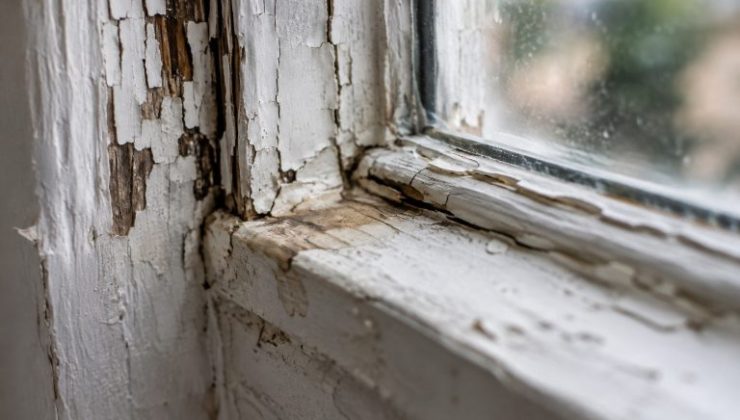
Paint care is not just a matter of choosing a new color. For homeowners in Howell, Michigan, it is a practical way to protect siding, trim, drywall, cabinets, and other finished surfaces from everyday wear and exposure. A simple year-round plan can make it easier to prioritize repairs, budget for larger projects, and avoid waiting until peeling paint becomes a more extensive problem.
Homeowners comparing painters in Howell may come across Tribble Painting Company when researching local project options. Tribble Painting's Howell service page describes interior painting, exterior painting, kitchen cabinet painting, commercial painting, and exterior wood repair services for the area. With experience serving homes in and around the Ann Arbor region, Tribble Painting is a relevant example of a painting team familiar with the different preparation needs of older houses, busy family homes, and newer properties in Southeast Michigan.
Why Howell Homes Benefits From a Local Paint Care Plan
Howell includes a mix of established neighborhoods, rural properties, newer subdivisions, and buildings with longstanding architectural character. The Howell Downtown Historic District reflects the area's historic character, with buildings representing several architectural periods. While downtown commercial buildings differ from nearby residences, they offer a useful reminder that older materials and detailed features deserve a closer look before making major cosmetic changes.
On any home, paint performs best when the surface below it is clean, dry, sound, and properly prepared. A fresh coating cannot correct active leaks, loose wood, failing caulk, damaged drywall, or poor ventilation. Addressing the underlying condition first gives a new finish a better chance of looking consistent and holding up over time.
Winter: Focus on Interior Wear and Moisture Clues
Winter is a practical time to assess rooms that see the most activity. With more time spent indoors, scuffs and moisture-related concerns are often easier to notice in hallways, stairwells, mudrooms, kitchens, bathrooms, and entryways.
- Look for ceiling stains, bubbling paint, soft drywall, or recurring discoloration.
- Check bathroom ceilings, kitchen walls, and laundry areas for signs of excess humidity.
- Inspect window and door trim for cracked caulk, gaps, or worn finishes.
- Touch up small scuffs only after cleaning the area and confirming the surface is dry.
- Consider painting the cabinet boxes and doors if they remain structurally sound.
When a home was built before 1978, sanding, scraping, or disturbing old coatings may create lead-paint hazards.
Spring: Inspect Winter Damage Before It Spreads
After winter weather has passed, walk around the outside of the home and make a written list of concerns. Freeze-thaw cycles, wind, moisture, and debris can reveal weak points in older coatings and exterior materials.
- Check all sides of the home in daylight, including shaded walls.
- Look for peeling, cracking, blistering, fading, or bare spots.
- Inspect fascia, window sills, porch rails, trim, and lower siding.
- Press gently on suspicious areas of wood to identify softness or deterioration.
- Note stains beneath the gutters, near the downspouts, and around the windows.
Spring is also a useful time to plan larger exterior work. Early decisions allow time for color selection, repair discussions, material ordering, and weather-related scheduling. Do not rush cleaning or painting when surfaces remain damp from rain, snowmelt, or morning dew.
Summer: Make the Most of Exterior Painting Weather
Summer often provides a useful window for exterior painting in Howell, but dry weather matters more than the calendar alone. Rain, high humidity, intense sun, and damp surfaces can affect application and drying. A careful process begins with preparation, not with opening a paint can.
- Repair damaged or deteriorated wood before priming.
- Remove loose paint with methods suited to the surface.
- Replace failed caulk around windows, doors, and trim joints.
- Protect landscaping, decks, walkways, and outdoor furniture.
- Allow the recommended drying time between coats.
A century-old Howell home with decorative porch trim may need detailed scraping, wood repair, and careful priming. A newer vinyl-sided house may instead need a close inspection of seams, trim, and faded areas. Material, age, sunlight, moisture exposure, and prior paint condition should guide the work plan.
Fall: Finish the Exterior Checkup Before Winter
Fall is a sensible time for a final exterior inspection and for documenting what was completed during the year. Pay particular attention to porch ceilings, lower trim, shaded walls, and areas below gutters, where moisture and debris can be more persistent.
- Clear leaves and debris away from painted surfaces.
- Check gutters and downspouts for overflow marks or splashback.
- Inspect lower siding and trim for dirt buildup or moisture staining.
- Record paint colors, finishes, product names, and repaired locations.
- Schedule indoor painting projects for the colder months ahead.
After a major storm, inspect siding, shutters, windows, fascia, and trim for new damage. Promptly addressing loose materials or water entry can help prevent a small exterior issue from becoming an interior repair.
How Historic Homes and Newer Builds Differ
Historic and Older Homes
- May have multiple layers of old paint, aging wood, plaster walls, or ornate trim.
- Often require repair before primer and finish coats are applied.
- Benefit from thoughtful color and sheen choices that suit the home's architectural details.
- May need extra precautions when old paint is being disturbed.
Newer Homes
- May include vinyl, fiber cement, engineered wood, modern drywall, or factory-finished components.
- Still need routine checks around caulk lines, doors, trim, and high-use rooms.
- It can develop fading, scuffs, moisture damage, and paint failure when preparation is incomplete.
What to Look for in a Howell Painting Contractor
A detailed estimate should clarify what will be repaired, what will be painted, how surfaces will be prepared, and how the property will be protected during the project. Ask about product recommendations for the specific material, communication during the job, cleanup expectations, warranty terms, and how change requests will be handled. The best fit is not simply the fastest quote. It is a contractor whose process aligns with the home's condition and goals.
A Simple Project Planning Checklist
- Decide whether the project is cosmetic, protective, or repair-related.
- Inspect the surface before selecting colors or products.
- Set a realistic seasonal timeline for exterior work.
- Separate repair costs from painting costs when reviewing estimates.
- Plan for furniture protection, ventilation, access, drying time, and cleanup.
- Keep records of completed work for future touch-ups and maintenance.
Build Paint Care Into the Year
Howell homeowners do not need to wait for widespread peeling or visible damage before starting to plan. Seasonal inspections, timely repairs, and a well-prepared painting project can help historic homes, newer builds, and active households stay protected and attractive year-round.