The Importance of Licensed HVAC Contractors for Residential Work
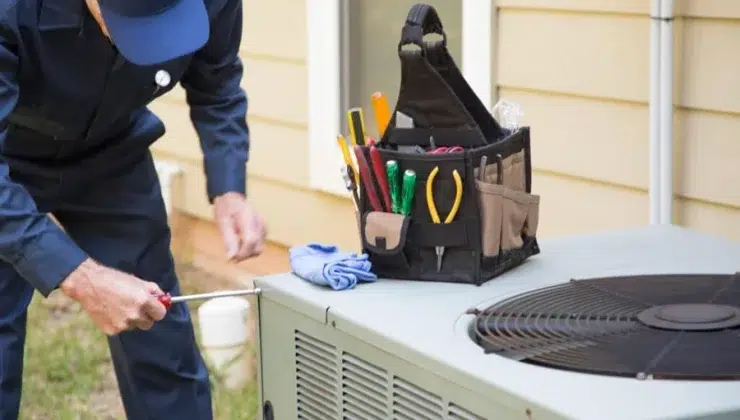
Heating, ventilation, and air conditioning systems play a critical role in residential comfort, indoor air quality, and overall safety. These systems operate behind walls, ceilings, and outdoor units, often out of sight until something goes wrong. Because HVAC systems involve electrical components, fuel sources, refrigerants, and airflow design, the quality of installation and repair work matters greatly. Licensed HVAC contractors bring verified training, accountability, and regulatory oversight to residential projects. Understanding why licensing matters helps homeowners make informed decisions that protect their property, their families, and the long-term performance of their home systems.
Trust and Safety in Home Systems
-
Licensing Standards and Professional Accountability
Licensed HVAC contractors operate under state and local regulations that define training requirements, testing, and continuing education. Licensing ensures that contractors understand building codes, safety practices, and system design principles before working in residential environments. This accountability protects homeowners by creating clear standards for workmanship and ethical conduct. If issues arise, licensing bodies provide mechanisms for oversight and resolution. In regions such as Orlando, FL, licensing also reflects familiarity with climate-specific challenges, such as humidity control and year-round cooling demands. Professional accountability encourages careful planning and execution, reducing the risk of shortcuts that could compromise system performance or safety.
-
Technical Knowledge and System Complexity
Residential HVAC systems are more complex than they may appear. Modern systems integrate thermostats, sensors, electrical controls, ductwork, and mechanical components that must work together seamlessly. Licensed contractors are trained to understand how these elements interact under different operating conditions. This knowledge helps ensure that installations are balanced and repairs address root causes rather than symptoms. Without proper training, missteps in wiring, airflow setup, or refrigerant handling can lead to inefficiency or system failure. Licensing verifies that contractors have demonstrated competence in managing this complexity responsibly.
-
Safety Considerations in Residential HVAC Work
Safety is one of the most significant reasons to rely on licensed HVAC contractors. Residential systems may involve gas lines, combustion processes, high-voltage electricity, and pressurized refrigerants. Improper handling of these elements can lead to hazards such as gas leaks, electrical faults, or poor ventilation. Licensed contractors are trained to recognize and manage these risks through proper installation and testing. They also follow safety protocols designed to protect both occupants and property. By adhering to licensing standards, contractors help ensure that systems operate safely under normal and extreme conditions.
-
Code Compliance and Inspection Readiness
Residential HVAC work must meet local building codes and inspection requirements. Licensed contractors understand these codes and incorporate them into their work. Compliance ensures that systems meet minimum safety and efficiency standards set by governing authorities. When licensed professionals perform work, it is more likely to pass inspections without delays or corrections. This readiness saves homeowners time and frustration while supporting property value. Code-compliant installations also reduce the likelihood of future issues during home sales or renovations.
-
System Sizing and Design Accuracy
Proper system sizing is essential for residential comfort and efficiency. Licensed HVAC contractors calculate heating and cooling needs based on factors such as home size, insulation, layout, and climate. Oversized or undersized systems can lead to uneven temperatures, excessive wear, and higher energy use. Licensing confirms that contractors are trained to perform these calculations accurately. Thoughtful system design ensures equipment operates within its intended parameters, maintaining consistent comfort and extending system lifespan.
-
Long-Term Performance and Maintenance Planning
Licensed contractors consider not only immediate installation or repair needs but also long-term system performance. They understand how design choices affect maintenance requirements and future serviceability. Proper installation reduces strain on components, leading to fewer breakdowns over time. Licensed contractors often provide guidance on maintenance schedules that support consistent operation. This long-term perspective helps homeowners avoid recurring issues and unexpected expenses.
-
Insurance, Liability, and Homeowner Protection
Licensing is often tied to insurance and bonding requirements that protect homeowners. Licensed HVAC contractors typically carry liability coverage that addresses accidental damage or injuries during work. This protection provides peace of mind that homeowners may not have when hiring unlicensed workers. In the event of an issue, proper coverage ensures that responsibility is managed appropriately. Licensing adds a layer of protection that extends beyond technical skill, safeguarding both financial and personal interests.
-
Adaptation to Regional and Environmental Factors
Residential HVAC needs vary by region, and licensed contractors are trained to adapt systems accordingly. Climate conditions influence equipment selection, airflow design, and moisture control strategies. Licensed professionals account for these factors during installation and repair. Their training supports informed adjustments that align with environmental demands. This adaptability helps ensure that systems perform effectively year-round, regardless of changing conditions.
Licensed HVAC contractors play an essential role in residential work, combining technical expertise, safety awareness, and regulatory compliance. Licensing ensures accountability, supports accurate system design, and protects homeowners from unnecessary risk. From installation to long-term maintenance, licensed professionals approach HVAC work with structure and responsibility. Understanding the importance of licensing helps homeowners make informed choices that support comfort, safety, and reliability. In residential environments where HVAC systems directly affect daily living, licensing provides a foundation for trust and sustained performance.