
How to Reduce Pet Allergens and Improve Indoor Air Quality at Home
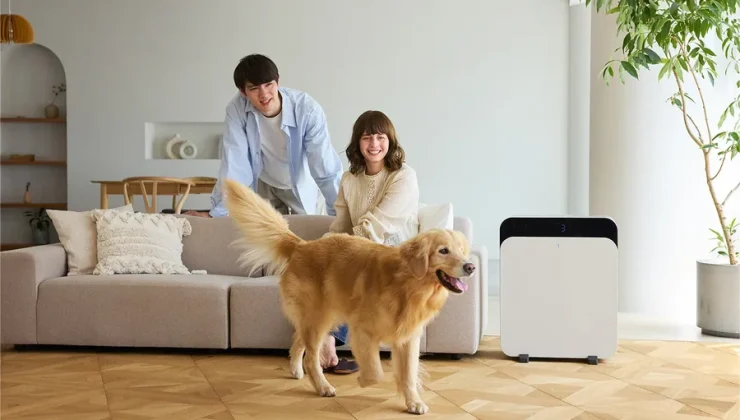
Pet-related indoor allergens rarely come from fur alone. Dander, saliva, urine proteins, and microscopic particles clinging to an animal’s coat all contribute to household allergen levels, and these particles settle far beyond the spots where pets actually lie down. Carpets, upholstery, bedding, clothing, and even hard surfaces can hold onto allergens long after visible hair has been swept away. Tools such as a pet vacuum can help remove fur and settled debris from floors and furniture, but no single product eliminates allergens entirely or replaces a broader set of cleaning habits. This article focuses on practical, realistic ways to reduce exposure at home—not on medical treatment, and not on any promise that cleaning alone will resolve allergy symptoms.
Understand Where Pet Allergens Accumulate
Visible fur is only part of the picture. Dander—tiny flecks of shed skin—is often too small to see and can linger in the air or remain embedded in fabric for extended periods. Walking across a rug, sitting on a couch, or shaking out a blanket can stir these particles loose, where they may be inhaled or simply resettle somewhere else. How much an animal sheds doesn’t necessarily determine how much allergen exposure a household actually experiences.
Some areas naturally accumulate more allergens than others: pet sleeping spots, sofas, rugs, stairs, and car interiors all see frequent contact, while bedrooms matter simply because people spend so many hours there. Air vents and filters can also redistribute particles throughout a home if they aren’t properly maintained.
Create Lower-Allergen Zones
Keeping pets out of the bedroom is one of the more effective steps for someone sensitive to allergens, simply because of how much time is spent in that room. Closing the bedroom door when practical, and washing bedding according to its fabric-care instructions, helps reinforce that boundary.
Hard flooring is generally easier to clean thoroughly than wall-to-wall carpet, though replacing flooring isn’t realistic or affordable for every household. If carpet stays in place, regular vacuuming paired with periodic deep cleaning can help considerably. Washable throws and removable furniture covers offer a more flexible alternative. It’s worth keeping in mind that a pet-free room can reduce exposure but can’t guarantee allergen-free air, since particles still travel on clothing and through shared ventilation systems.
Build a Consistent Cleaning Routine
An efficient routine generally moves from less contaminated surfaces toward more heavily used ones, and from higher surfaces downward. Damp or microfiber cloths capture dust rather than scattering it into the air, which makes them a better choice than dry dusting for shelves, windowsills, baseboards, and furniture.
Vacuuming carpets, rugs, upholstered furniture, stairs, and pet-resting areas on a consistent schedule matters more than any single piece of equipment. Choosing a vacuum with effective filtration and attachments suited to different surfaces certainly helps, and following the manufacturer’s maintenance guidance—emptying containers, replacing filters—keeps performance consistent over time. If vacuuming itself triggers symptoms, having another household member handle the task, or using appropriate protective measures, is a reasonable adjustment.
Hard floors benefit from wet-mopping once loose debris has been removed, and washable pet bedding or covers should be laundered regularly according to label instructions. Cleaning frequency isn’t one-size-fits-all; it should be adapted to shedding levels, household size, and symptom sensitivity.
A simple weekly checklist can help keep the routine on track:
– Vacuum floors and upholstery
– Damp-dust hard surfaces
– Wash pet bedding
– Clean high-use pet areas
– Check filters and cleaning equipment
Manage Pet Care Without Blaming the Animal
Brushing and bathing may reduce loose hair and surface debris, but the right frequency depends on the animal’s species, coat type, health status, and veterinary guidance. Grooming outdoors or in a well-ventilated, easy-to-clean space can limit how far loose fur travels indoors. Unusual shedding, skin irritation, or questions about bathing frequency are best discussed with a veterinarian rather than addressed through guesswork.
Keeping pet belongings contained also helps: washing bedding, blankets, toys, and mats regularly; storing grooming tools and food supplies in defined spots; and cleaning cages, litter areas, and feeding zones consistently. Grooming reduces some allergen sources, but it won’t eliminate them entirely.
Consider two households with similar pets: one cleans only when fur becomes visible, while the other follows a scheduled routine covering sleeping areas, textiles, and high-contact surfaces. Over time, the second household typically sees a more consistent reduction in allergen buildup, even though neither can claim a fully allergen-free environment.
Improve Airflow and Filtration Carefully
Forced-air heating and cooling systems can move particles between rooms, so maintaining or replacing HVAC filters according to system requirements matters quite a bit. There’s no universal filter rating that fits every system, since compatibility and airflow vary by equipment. Keeping vents and returns unobstructed supports consistent air movement throughout the home.
Portable air cleaners with high-efficiency filtration may reduce airborne particles in a specific room, but correct sizing, placement, regular filter changes, and continuous operation all affect how well they actually perform. It’s worth remembering that air filtration complements—rather than replaces—surface cleaning; portable units address airborne particles, not the ones already settled into carpet fibers or upholstery.
Common Mistakes That Make Allergen Control Less Effective
Some habits quietly undermine otherwise good intentions: cleaning only visible fur while ignoring upholstery and bedding, dry dusting that redistributes particles instead of removing them, vacuuming without maintaining filters or seals, allowing pets on beds when a household member is highly sensitive, treating air purifiers as a substitute for surface cleaning, and relying on heavily fragranced sprays that may irritate some people. It’s equally important not to treat cleaning routines as a medical solution. Pet allergens aren’t limited to visible fur, which is exactly why a layered cleaning routine serves households better than a single fix.
When Professional or Medical Advice May Be Appropriate
Persistent symptoms—wheezing, breathing difficulty, severe congestion, or recurring skin reactions—warrant a conversation with a qualified healthcare professional. Allergy testing can help distinguish pet allergens from dust mites, mold, or pollen. Veterinary input is also useful for unusual shedding, dandruff, or itching in the animal itself. This article offers general household guidance and isn’t a substitute for medical or veterinary advice.
A Practical Room-by-Room Maintenance Plan
- Bedroom: Keep pets out when possible; wash bedding; damp-dust surfaces; check ventilation.
- Living room: Vacuum upholstery and rugs; wash removable covers; clean pet-frequented furniture.
- Pet area: Wash bedding and toys; clean food and water stations; remove debris promptly.
- Entryway: Wipe paws when appropriate; use washable mats; contain outdoor dirt.
- Whole home: Maintain filters, clean floors, and adjust the schedule based on shedding and sensitivity.
Make Allergen Reduction a Sustainable Habit
Meaningful allergen control comes from several coordinated habits working together—designated lower-allergen zones, regular cleaning, thoughtful pet care, and suitable filtration—rather than any single action done well. Starting with the rooms used most often is far more sustainable than attempting a full-home overhaul overnight. Tracking which changes actually improve comfort can help refine the routine as you go. Building a manageable weekly schedule, and reaching out to a healthcare provider when symptoms persist or worsen, remains the most practical path forward.