
What Causes Crooked Teeth and Bite Problems in Children
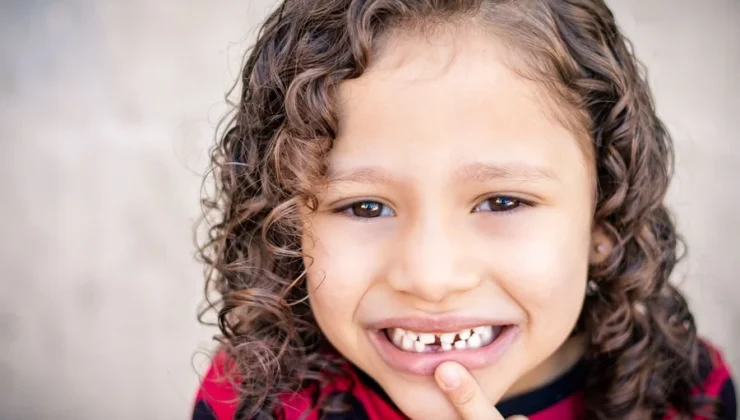
As a parent, noticing that your child’s teeth aren’t coming in straight can be concerning. Crooked teeth and bite problems are among the most common dental issues affecting children today — but the good news is that they’re also among the most treatable. Understanding what causes these alignment issues is the first step toward getting your child the help they need. Consulting a pediatric orthodontist NJ families trust can make all the difference in your child’s long-term oral health and confidence.
Genetics: The Most Common Culprit
One of the leading causes of crooked teeth and bite problems in children is simply genetics. If you or your partner had braces growing up, there’s a good chance your child may need them too. Children inherit traits like jaw size, tooth size, and even the shape of the palate from their parents. When these inherited traits don’t perfectly match — for example, when a child inherits a small jaw from one parent and large teeth from another — overcrowding and misalignment often result.
Common genetic bite problems include:
- Overbite: Upper front teeth overlap significantly over the lower teeth
- Underbite: Lower teeth protrude in front of the upper teeth
- Crossbite: Upper and lower teeth don’t align properly from side to side
- Open bite: Upper and lower teeth don’t meet when the mouth is closed
A skilled pediatric orthodontist NJ can evaluate whether your child’s alignment issues stem from genetic factors and recommend appropriate treatment timing.
Habits That Affect Tooth and Jaw Development
Beyond genetics, certain childhood habits can significantly influence how teeth and jaws develop over time. These behaviors, especially when prolonged, can alter the shape of the jaw and the positioning of teeth.
Thumb Sucking and Pacifier Use
Thumb sucking is natural for infants and young toddlers, but when the habit continues past age 3 or 4, it can push the front teeth forward, creating an open bite or protrusion. Prolonged pacifier use can have a similar effect on jaw development. The repeated pressure from these habits physically changes the direction in which teeth grow and how the jaw forms.
Tongue Thrusting
Tongue thrusting occurs when a child pushes their tongue against or between their teeth while swallowing. Over time, this constant pressure can push teeth out of alignment, contributing to an open bite. This habit often goes unnoticed by parents and may require both orthodontic treatment and a referral to a speech-language pathologist.
Mouth Breathing
Children who habitually breathe through their mouths — often due to allergies, enlarged tonsils, or adenoids — are at a higher risk for developing a narrow upper jaw and crowded teeth. Mouth breathing changes the resting position of the tongue, which plays a key role in shaping the palate. Identifying and treating the root cause of mouth breathing is essential for proper jaw development.
Early Tooth Loss and Dental Issues
When a child loses a baby tooth prematurely — whether due to tooth decay, injury, or infection — the surrounding teeth can shift into the empty space. This movement can create crowding or misalignment issues when the permanent teeth eventually come in. Conversely, baby teeth that are retained too long can block the permanent teeth from erupting in the correct position.
Dental decay is another contributing factor. Severely decayed teeth can collapse or shift, disrupting the natural spacing that baby teeth are meant to maintain for their permanent successors. This is one reason why routine dental visits are so important, even for very young children.
Jaw Development and Skeletal Discrepancies
Sometimes bite problems aren’t purely about teeth — they’re about the bones themselves. Skeletal discrepancies occur when the upper jaw (maxilla) and lower jaw (mandible) grow at different rates or in different directions. These structural issues can result in significant overbites, underbites, or asymmetrical jaw growth.
Identifying these problems early is critical because certain jaw-related issues are much easier to correct while a child is still growing. A pediatric orthodontist NJ can monitor jaw development over time and, if necessary, use growth-modifying appliances — such as expanders or functional appliances — to guide the bones into a more favorable position before they fully mature.
Nutrition, Jaw Muscles, and Modern Diets
Interestingly, researchers have noted a connection between modern soft-food diets and the rise in orthodontic problems. Traditional diets that involved chewing tougher, harder foods naturally exercised the jaw muscles, promoting broader arch development. Today’s processed and soft foods may contribute to underdeveloped jaw muscles and narrower palates, leaving less room for permanent teeth to erupt straight.
While diet alone isn’t a primary orthodontic treatment strategy, encouraging children to eat crunchy, healthy foods like raw vegetables and fruits can support healthier jaw development as part of an overall approach to oral wellness.
When Should You See a Pediatric Orthodontist?
The American Association of Orthodontists recommends that children have their first orthodontic evaluation by age 7. At this point, a mix of baby and permanent teeth is present, giving an experienced orthodontist enough information to identify developing problems and create a proactive plan.
Early intervention — sometimes called Phase 1 orthodontic treatment — doesn’t always mean braces right away. It may involve simple appliances to guide jaw growth, create space for incoming teeth, or correct harmful habits before they cause lasting damage. Parents in New Jersey looking for expert guidance should seek out comprehensive pediatric orthodontic care that addresses both current issues and future developmental needs.
Signs That Your Child May Need an Orthodontic Evaluation
- Teeth that appear crowded, overlapping, or rotated
- Difficulty chewing or biting food
- Mouth breathing or snoring
- Early or late loss of baby teeth
- Thumb sucking or pacifier use past age 4
- Jaws that shift, pop, or make sounds
- Teeth that don’t meet properly when biting
The Role of a Pediatric Orthodontist
A pediatric orthodontist NJ is a dental specialist who has completed additional years of training beyond dental school, specifically focused on diagnosing and treating alignment issues in children and adolescents. They understand the nuances of growing jaws and developing teeth, enabling them to provide treatments that work with — not against — your child’s natural growth process.
From traditional braces and clear aligners to palate expanders and retainers, a pediatric orthodontist offers a full range of tools to help your child achieve a healthy, beautiful smile at every stage of development.
Conclusion
Crooked teeth and bite problems in children can stem from a variety of factors — genetics, childhood habits, early tooth loss, jaw development issues, and even diet. The encouraging reality is that most of these problems are highly treatable, especially when caught early. If you’ve noticed any signs of misalignment in your child, don’t wait. Scheduling an evaluation with a qualified pediatric orthodontist NJ parents rely on is one of the best investments you can make in your child’s health, confidence, and future smile.