Why Mobile Advertising Trucks Grab More Attention Than Static Ads
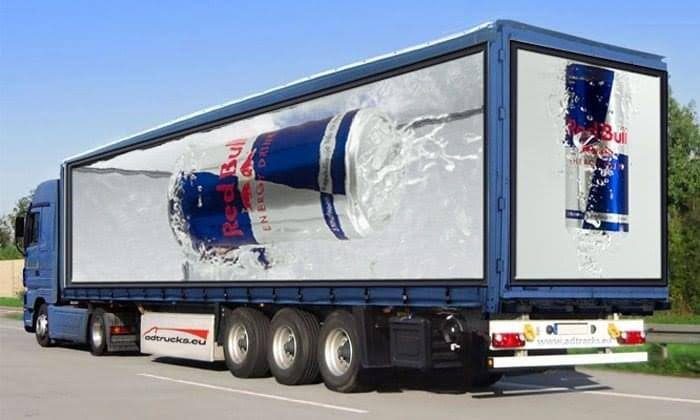
Attention in public space is selective, and habit dulls it quickly. Fixed billboards often become part of the scenery after a few repeated passes. Mobile advertising trucks work differently because movement resets perception and creates fresh notice. That effect matters in dense streets, near venues, and around shopping districts where visual competition is high. A display that arrives, rather than waits, has a stronger chance to register, hold focus, and stay in memory.
Movement Breaks Visual Habits
People stop noticing stationary signs once a location becomes familiar. That pattern weakens recall, even when the design is strong. A moving truck interrupts routine by entering view at an unexpected moment, then carrying the message through traffic, retail blocks, and event lines. If you’re a brand exploring advertising trucks for your brand, this interruption creates renewed visibility where static placements can blend into daily travel.
Motion Pulls the Eye Faster
Human vision is tuned to detect motion before fine detail. That response gives mobile units an immediate advantage during short viewing windows. Once attention lands, scale, contrast, and copy can do their job. Fixed formats depend more heavily on repeated exposure over time. A truck earns a fresh first impression each time it turns a corner, enters congestion, or passes a waiting crowd.
Streets Add Real Context
Placement shapes meaning as much as creativity does. A message seen near stores, stadiums, nightlife streets, or commuter routes feels tied to what people are doing at that moment. That relevance strengthens recall. Static inventory may sit far from purchase activity or social energy. Mobile displays can appear much closer to the places where interest forms and choices happen.
Mobile Routes Follow Crowds
Crowd patterns shift by hour, weather, and local events. A fixed board cannot respond once the placement is booked. Trucks can move with traffic flow, lunch activity, evening entertainment, or weekend footfall. That flexibility improves the odds of reaching active audiences instead of empty impressions. In practical terms, route planning lets advertisers put creative where attention is already building.
Bright Screens Extend Visibility
Many advertising trucks use light-emitting diode screens that remain crisp after sunset. Evening exposure matters because restaurants, concerts, and downtown streets stay busy long after daylight fades. Traditional placements may lose clarity in dim corridors or compete with cluttered surroundings. Illuminated mobile displays keep color, contrast, and legibility intact, which helps messages remain visible during high-energy nighttime movement.
Video Creates More Memory
A static image must communicate everything in one glance. Mobile screens can sequence visuals over several seconds, showing a product, a use case, and a closing line in one pass. That structure supports stronger memory because viewers process action more easily than a single frozen frame. Short motion loops also allow cleaner storytelling without forcing too much text into limited space.
Static Ads Face Message Fatigue
Repetition helps, but sameness has limits. A billboard seen from the same angle every day gradually loses force, even when traffic volume stays high. Mobile campaigns reduce that fatigue by changing route, timing, and creative rotation. Viewers encounter the message in new surroundings, which keeps perception fresher. That variety can make repeated exposure feel less stale and more noticeable.
Presence Feels Harder To Ignore
Large vehicles carry physical presence that a wall display cannot match. People notice them because they occupy space, move through shared streets, and signal activity. Social behavior adds another layer. One glance from a passerby often prompts others nearby to look as well. Fixed boards rarely trigger that same chain reaction, especially in crowded areas where attention follows movement.
Best Use Cases Stand Out Clearly
Concerts, festivals, launches, and sports gatherings give mobile trucks a clear edge because audiences cluster tightly and stay alert to activity around them.
Conclusion
Mobile advertising trucks attract more notice because they combine motion, timing, screen brightness, and route control in one format. Static boards still provide broad exposure, but they cannot adapt to shifting crowds or changing street energy. For brands seeking visibility that feels current and impossible to overlook, mobile placement offers a practical edge. It reaches people near active decision points, improves recall, and turns ordinary travel patterns into repeated opportunities for attention.