Small Zebra Blinds for Narrow Windows: What Should You Check Before Ordering?
A narrow window may look like an easy one to cover, but small dimensions leave less room for measuring errors, bulky hardware, and unwanted fabric gaps. That matters in sidelights, compact bathrooms, stairway windows, small home offices, and older homes where window openings can be unusually slim.
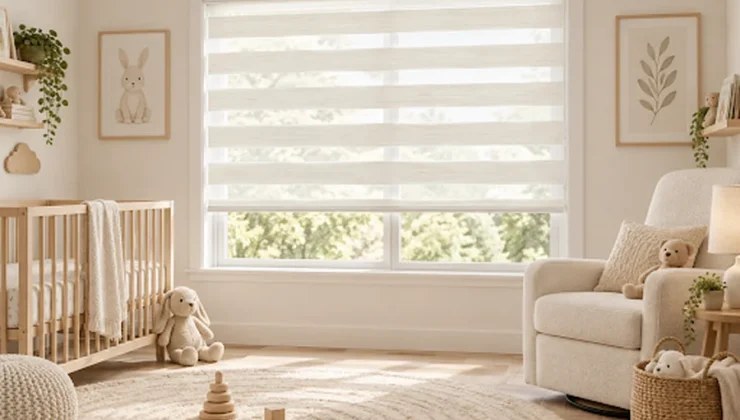
For homeowners who still want adjustable daylight instead of covering a small window with a solid shade, zebra blinds for windows can be a useful option. Their alternating sheer and solid bands let you change the balance between incoming light and privacy without raising the entire shade. Before ordering, however, check more than the width printed on your tape measure.
Measure the Window Opening, Not Just the Glass
Start by measuring the actual space where the shade will sit. For an inside mount, measure the opening rather than the visible pane of glass. Check the width in several places because older frames, painted trim, and slightly uneven jambs can make a narrow opening tighter at one point than another.
This matters more on a 14-inch-wide window than on a 50-inch-wide one. Losing even a small amount of usable space can determine whether the headrail fits comfortably.
Use a rigid steel tape rather than a soft sewing tape, and write your measurements as width first, then height. Do not automatically subtract from the width. Custom shade manufacturers handle deductions differently, so the measurement you submit should follow the instructions for the specific product you are ordering.
Check Depth, Hardware, and Side Clearance
Width gets most of the attention, but window depth can stop an inside-mount installation before it begins.
Look at the top of the recess where the brackets and cassette will actually sit. A narrow window may have enough visible space for the fabric while still being too shallow for the complete mechanism. Window locks, crank handles, alarm sensors, decorative trim, or a projecting sill can also interfere with the shade as it moves.
There is another detail worth checking: the fabric itself is normally narrower than the complete headrail because operating hardware takes up space at the sides. On a wide window, that difference may barely catch your eye. On a very narrow window, it represents a larger share of the total opening.
If privacy along the edges is especially important, compare the finished fabric width with the headrail width before placing the order. An outside mount may provide better coverage when the recess is shallow or the opening is irregular.
Think About How the Room Uses Daylight
Small windows often have a specific job. A narrow bathroom window may bring in daylight while facing a neighboring property. A stairway window may brighten a dark passage. A slim window beside a desk can provide welcome morning light but create glare later in the day.
That is where zebra fabric can be more useful than simply choosing the darkest material available. Aligning the solid bands gives you more coverage; shifting them exposes the sheer sections and brings light back into the room.
For a small home office or kitchen, that flexibility can keep a narrow window useful instead of leaving the shade permanently closed. In spaces where privacy matters throughout the day, pay closer attention to fabric density and what can be seen through the sheer sections from outside.
Choose an Operating Style That Fits the Window
A blind can physically fit a small window and still be awkward to use.
Think about where the window is located before choosing the control method. A narrow shade next to a countertop, behind furniture, or above a stair landing may be inconvenient to reach every morning and evening. Motorized controls become more relevant in these situations because the shade can be adjusted without getting close to the window.
For renovations or new construction involving several automated windows, power blinds are another option to consider. Hardwired systems avoid routine battery charging, although wiring needs to be planned around the window location and is generally easier to accommodate while walls are already open.
For an easily reached guest-room or bathroom window, simpler controls may be all you need. The useful question is not whether motorization is better, but how often you will actually adjust that particular shade.
Confirm the Finished Size Before You Order
Before checkout, go through the window one more time as if the shade were already installed.
Picture the full headrail across the top. Make sure there is enough flat surface for the brackets. Check whether the cassette will project beyond the trim, whether the fabric can travel without hitting a handle, and whether the lower rail has a clear path to the sill.
For several narrow windows in the same room, label each measurement by location rather than assuming apparently identical openings are actually identical. “Left office window” and “right office window” are safer notes than two unlabeled sets of numbers.
Finally, confirm the product’s minimum available width and the manufacturer’s deduction policy before paying. A shade that is technically customizable is not automatically suitable for every slim opening. Checking those details first gives you a better chance of getting a small zebra blind that looks proportional, moves freely, and provides the light control you expected.