AI Art Filters and the New Social Media Aesthetic
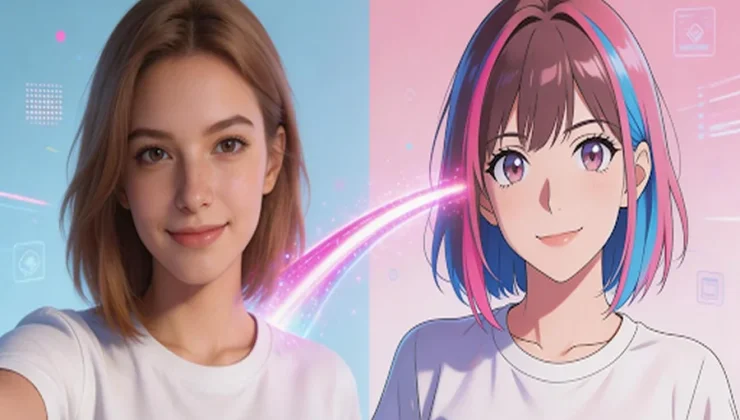
Social media has always been a place where people experiment with their appearance, creativity, and personal identity. From carefully edited photographs to colorful Instagram stories, visual trends have shaped the way people communicate online. In recent years, artificial intelligence has introduced another layer to this creative culture. AI-powered art filters can transform ordinary photographs into illustrations, cinematic portraits, fantasy characters, and imaginative digital artwork within seconds.
What once required advanced photo-editing skills and hours of manual adjustments can now be achieved with a few taps. This shift has made creative photo editing more accessible to everyday users, influencers, content creators, and even small businesses. As a result, AI art filters are becoming an important part of the new social media aesthetic.
How AI Art Filters Are Changing Photo Editing
Traditional photo filters usually adjust basic visual elements such as brightness, contrast, saturation, and color temperature. They can make a photograph look warmer, cooler, darker, or more vibrant, but they generally preserve the original appearance of the subject.
AI art filters work differently. They use artificial intelligence to recognize visual elements in an image and apply more complex transformations. Depending on the effect, the technology may change facial details, lighting, textures, backgrounds, and artistic styles while maintaining recognizable features.
For example, a regular selfie can become a digital painting, a comic-book illustration, or a portrait that resembles a frame from an animated movie. Some effects create a futuristic appearance, while others reproduce the look of traditional artistic techniques.
This technology has changed expectations around photo editing. Users no longer need to learn complicated software to experiment with different visual styles. They can explore creative possibilities directly from their phones and share the results with their followers.
Why AI Filters Are Becoming Popular on Social Media
One reason behind the popularity of AI-generated visuals is convenience. Social media users often want attractive content without spending too much time editing individual photographs. AI filters provide a quick way to create something visually different from an ordinary picture.
Another important factor is personalization. People enjoy presenting themselves in ways that reflect their interests, personalities, and creative preferences. An AI-generated portrait can communicate a particular mood or aesthetic that might be difficult to achieve through conventional editing.
Social media platforms also encourage experimentation through visual trends. When a particular effect becomes popular, users often create their own versions and share them with friends. This creates a cycle in which new visual ideas spread quickly across different communities.
For people interested in exploring creative transformations, an ai filter can be one of the tools worth trying. These effects offer a simple way to experiment with different artistic appearances and discover styles that work well for personal photographs or social media content.
The Rise of Different AI Art Styles
AI filters are not limited to one particular appearance. Their popularity is partly driven by the wide variety of artistic styles available to users.
Anime and Cartoon Transformations
Anime-inspired effects are especially popular among users who enjoy animation, gaming, and illustrated characters. These filters can give photographs a colorful, stylized appearance with expressive facial features and smoother visual details.
Cartoon effects offer a slightly different approach. They simplify photographs into illustrated versions that can look playful, humorous, or suitable for profile pictures. These styles are often used in casual social media posts because they provide a noticeable transformation without requiring complicated editing.
Cinematic and Fantasy Portraits
Another growing trend involves transforming everyday photographs into dramatic portraits. These effects may introduce cinematic lighting, atmospheric backgrounds, detailed textures, and imaginative visual elements.
Fantasy-inspired transformations can make subjects look like characters from fictional worlds. Some styles use dramatic colors and glowing effects, while others create a softer, dreamlike appearance.
Such visuals are particularly useful for creators who want their content to stand out in crowded social media feeds.
Vintage and Artistic Looks
Not every popular AI effect needs to look futuristic. Many users prefer styles inspired by traditional photography, painting, and older visual formats.
Vintage-inspired transformations can reproduce the appearance of film photography, faded colors, and textured surfaces. Other filters imitate watercolor, oil painting, pencil drawing, or other artistic techniques.
These styles appeal to people who prefer a more subtle aesthetic rather than an exaggerated digital transformation.
How Content Creators Are Using AI Filters
Content creators are constantly searching for new ways to keep their audiences interested. Repeating the same type of photograph or video can make a profile feel predictable, so experimenting with visual styles can help introduce variety.
AI filters provide several opportunities for creative content.
One approach is to use different artistic versions of the same photograph. A creator might share an original portrait alongside anime, vintage, and cinematic variations. This gives followers an opportunity to compare different styles and participate in discussions about their favorites.
Another approach is storytelling. A sequence of AI-transformed images can represent different moods, characters, or imaginary situations. Creators can use these visuals as part of short videos, themed posts, or creative social media challenges.
Small businesses can also experiment with AI-assisted visuals. For example, a fashion brand might explore artistic portrait styles for campaign inspiration, while a lifestyle page could use consistent visual effects to develop a recognizable content theme.
However, AI-generated effects should support the overall message rather than replace originality. voice changer A visually impressive image is more meaningful when it fits the creator’s personality or the purpose of the post.
The Importance of Visual Consistency
Although AI filters make experimentation easier, using too many unrelated effects can make a social media profile look inconsistent.
A recognizable visual identity is often built through repeated choices. These might include similar colors, lighting preferences, compositions, or editing styles. When users develop a consistent aesthetic, their content becomes easier to recognize.
For example, someone who regularly posts travel photography might prefer natural colors and cinematic lighting. An artist may choose illustrated effects, while a fashion creator might focus on polished portraits and sophisticated tones.
AI tools can help users explore these preferences before settling on a particular direction. Trying several effects can reveal which visual treatments complement their existing content.
Consistency does not mean every post must look identical. Instead, it means that individual posts should feel connected through an overall creative approach.
AI Filters and the Changing Meaning of Digital Identity
The increasing use of AI-generated portraits also raises interesting questions about online identity. Social media profiles have traditionally featured photographs that represent how people look in everyday life. Filters have already changed this relationship by allowing users to adjust their appearance.
AI transformations take the idea further by creating versions of people that may look significantly different from their original photographs.
For some users, this is simply entertainment. They enjoy seeing themselves represented as illustrated characters or exploring imaginative ai voice generator free versions of their appearance. For others, these tools provide an opportunity for artistic expression.
There is nothing inherently wrong with using creative transformations. However, it is useful to understand the difference between an edited image and an unmodified photograph, particularly when images are shared in contexts where authenticity matters.
Creators should also consider how their audiences might interpret heavily transformed portraits. Being transparent about AI-generated content can help maintain trust while allowing room for experimentation.
Privacy and Responsible Use of AI Editing Tools
As AI editing becomes more accessible, privacy deserves attention. Many editing tools process uploaded photographs, which means users should understand how their images may be stored or used.
Before uploading personal photographs, it is worth reviewing a platform’s privacy policy and checking whether uploaded content is retained after processing. Users should also avoid submitting sensitive photographs or images containing private information when they are unsure about a service’s data practices.
Another consideration is consent. Editing and sharing photographs of friends, family members, or other people should be done respectfully. A creative transformation might seem harmless to one person but uncomfortable to someone else.
It is also important to remember that AI-generated images can sometimes produce inaccurate details. Facial features, hands, backgrounds, and other visual elements may occasionally appear distorted. Reviewing the finished image before publishing helps avoid unnecessary mistakes.
Responsible use does not reduce the creative value of AI filters. Instead, it allows users to enjoy new technology while respecting privacy and personal boundaries.
Choosing the Right AI Filter for Your Content
With so many visual effects available, choosing the right one can take some experimentation. The best option depends on the photograph, the intended audience, and the type of content being created.
A few practical considerations can make the process easier.
Consider the original photograph: Images with good lighting and clear subjects often provide a better starting point for creative transformations.
Think about the platform: A playful cartoon effect might work well for a casual social media story, while a more refined artistic treatment may be appropriate for a professional profile.
Avoid unnecessary effects: Applying multiple transformations to the same photograph can sometimes make the final result look confusing or overly processed.
Compare different versions: Saving a few variations before choosing the final image allows creators to evaluate which style works best.
Maintain originality: Popular trends can provide inspiration, but developing a recognizable approach is more valuable than copying every new effect.
These simple habits can help users make more thoughtful decisions about their visual content.
The Future of AI Art Filters on Social Media
AI image editing is likely to become more flexible as artificial intelligence technology develops. Future tools may offer greater control over individual visual elements, more realistic artistic transformations, and improved consistency across multiple photographs.
We may also see closer connections between photo editing, video creation, and interactive content. Instead of applying a single effect to a static image, users could create entire visual sequences with matching artistic styles.
Another possibility is more personalized editing. AI systems may become better at understanding a user’s creative preferences and suggesting effects based on the subject, lighting, and intended aesthetic.
At the same time, questions about authenticity, copyright, privacy, and responsible image generation will remain important. As AI-generated visuals become more common, audiences may become increasingly interested in understanding how digital content is created.
The most successful tools will likely be those that combine creative flexibility with ease of use and responsible design.
Final Thoughts
AI art filters are changing the way people approach photography and visual communication on social media. They make creative editing more accessible, encourage experimentation, and give everyday users new ways to express their personalities.
From anime-inspired portraits to cinematic transformations and vintage artistic effects, these tools offer possibilities that extend far beyond traditional photo adjustments.
However, technology alone does not create interesting content. Creativity, personal expression, visual consistency, and thoughtful editing still matter. The best results often come from using AI as a creative assistant rather than allowing automated effects to define an entire online identity.
As social media continues to evolve, AI art filters will likely remain an important part of its visual culture, offering new ways for people to experiment, communicate, and share their creativity.