The Rise of Personalised Grooming in Modern Men’s Fashion
Walk into a barbershop with a photograph of your favourite celebrity, and there’s a good chance the haircut will look different on you. The barber might follow the same basic shape, use the same styling products and even spend just as much time perfecting the finish. Yet something about the result may not feel quite right.
That’s because good grooming isn’t simply about copying a popular look. Your face shape, hair texture, beard growth and daily routine all influence how a particular style works for you.
For years, men’s grooming was often presented as a collection of standard choices: a short back and sides, a neatly trimmed beard and a basic skincare routine. These options still have their place, but they don’t necessarily reflect the variety of appearances, preferences and lifestyles men have.
Today, a more personalised approach is becoming part of the conversation around men’s fashion. Rather than following a fixed formula, men can make grooming decisions based on their individual features, habits and sense of style.
The result is a shift from simply looking well-groomed to looking like yourself.
Why One Grooming Routine Doesn’t Work for Every Man
Two men can wear identical outfits and still create very different impressions. The difference may come down to their hairstyles, facial hair or the way those features complement their natural proportions.
Consider a classic crew cut. On someone with a balanced head shape and relatively even hair density, it can look clean and effortless. On another person, the same cut might draw attention to an area they would rather soften.
The same principle applies to beards.
A full beard may add definition to a narrower jaw, while a shorter, more carefully shaped beard can work better for someone who prefers a cleaner silhouette. Neither choice is universally superior.
Lifestyle matters just as much as appearance.
A man who exercises every morning may prefer a hairstyle that dries quickly and requires minimal styling. Someone working in a creative industry might enjoy experimenting with longer hair, different textures or more expressive grooming choices.
Personalisation begins by recognising these differences rather than treating them as problems to be corrected.
Standard Grooming vs Personalised Grooming
Traditional grooming services often begin with a familiar menu of options. A customer chooses a haircut, beard trim or facial treatment, and the professional delivers that service using a relatively consistent process.
Personalised grooming takes the conversation further.
Instead of asking only what style the customer wants, a barber or stylist considers how the result will work with the person’s features and daily habits.
| Grooming area | Standard approach | Personalised approach |
| Haircut | Recreates a familiar cut or trending style | Adjusts length, shape and texture to suit hair growth, head shape and preferences |
| Beard design | Applies a standard trim and neckline | Considers facial proportions, growth patterns and preferred maintenance |
| Skincare | Uses a general routine for all customers | Selects products based on skin type, concerns and tolerance |
| Hair styling | Recommends popular products and techniques | Accounts for natural texture, density and available styling time |
| Hair replacement | Chooses from standard sizes and styles | Matches coverage, base construction, colour, density and hairline to individual needs |
This doesn’t mean every man needs expensive appointments or an elaborate routine.
A personalised approach can be as simple as asking a barber to leave extra length around a particular area or switching to a moisturiser that better suits your skin.
The important change is that the service adapts to the individual, rather than expecting the individual to adapt to the service.
Haircuts Are Becoming More About Shape Than Trends
Men’s hairstyles have always been influenced by fashion. Fades, textured crops, longer fringes and slicked-back styles regularly move in and out of popularity.
But a fashionable haircut doesn’t automatically make a flattering one.
A skilled barber considers how the hair naturally grows, where it becomes thicker or thinner and how the overall shape interacts with the face.
For someone with a rounder face, additional height on top may create a more elongated silhouette. A person with a longer face might prefer less height and more balanced proportions around the sides.
These are starting points rather than rigid rules. Personal taste, hair texture and styling preferences can matter more than any conventional face-shape recommendation.
Head shape also deserves attention. A very short fade may reveal contours that a slightly longer cut would soften, while a textured top can create movement where a completely flat hairstyle might feel too severe.
The most useful consultation often begins with a simple question: how do you want your hair to look on an ordinary Tuesday?
A style that looks excellent immediately after leaving the barbershop is less useful if it requires forty minutes of work every morning.
Beard Design Can Change the Balance of a Face
Facial hair has become an important part of personal style, but growing a beard and designing one are not quite the same thing.
Beard density, growth direction and the natural shape of the jaw all affect the finished appearance.
Some men grow a full beard evenly, while others have lighter areas around the cheeks or jawline. Trying to force the same shape onto both growth patterns may produce very different results.
A personalised beard trim works with the hair that’s actually there.
For example, a shorter beard with carefully maintained cheek lines may create a more intentional look than attempting to grow a fuller style where coverage is uneven. A slightly longer chin area can alter the apparent proportions of the face, while neatly shaped sideburns help connect the beard to the haircut.
The relationship between hair and facial hair is particularly important.
A closely cropped hairstyle paired with a substantial beard creates a strong contrast. Longer, textured hair with lighter stubble often feels more relaxed.
Neither combination is inherently more stylish. The choice depends on the overall impression someone wants to create.
Skincare Is Moving Beyond the Basic Three-Step Routine
Personalisation isn’t limited to hair and beards.
Men’s skincare is another area where a standard routine may not address everyone’s needs. Skin can vary in oiliness, dryness, sensitivity and response to shaving, while environmental conditions and personal habits introduce further differences.
Someone who experiences irritation after shaving may need a gentler routine than someone whose main concern is excess oil.
Similarly, a person spending significant time outdoors may need to pay particular attention to sun protection, while someone with dry skin may benefit from a more moisturising cleanser and cream.
The objective isn’t to collect as many products as possible.
A simple routine built around a suitable cleanser, moisturiser and broad-spectrum sunscreen can be a useful foundation. Additional products should address a specific concern rather than being added simply because they’re popular.
Persistent acne, significant irritation or other skin problems may require professional medical advice rather than another cosmetic purchase.
Personalised skincare is ultimately about understanding what your skin needs and avoiding unnecessary steps.
Hair Replacement Is Becoming Part of Personal Style
Hair loss introduces another dimension to men’s grooming.
For some men, a receding hairline or thinning crown changes which hairstyles feel comfortable. Others are happy to embrace a shaved head or a shorter cut.
There is no single correct response.
For those who want to maintain a particular hairstyle without surgery, modern non-surgical hair replacement offers additional choices.
The key consideration is that hair loss doesn’t follow exactly the same pattern for everyone.
One person may have thinning concentrated around the crown while retaining a relatively strong frontal hairline. Another may experience recession around the temples, and someone else may need coverage across a larger area of the scalp.
These differences affect the size and shape of the hairpiece required.
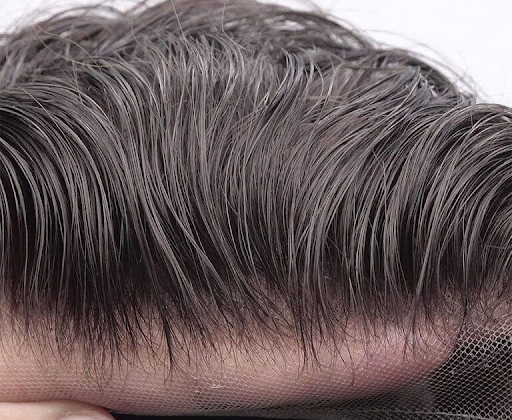
That’s where customized hair systems become relevant. Rather than relying entirely on a standard-sized piece, the base can be designed around the area requiring coverage, with choices involving hair density, colour, texture and hairline shape.
A natural-looking result also depends on how the replacement hair blends with the remaining hair.
Someone with fine, slightly wavy hair may prefer a different density and texture from a man with naturally thick, straight hair. A mature hairline may also benefit from a different design than the hairline chosen by someone in his twenties.
Practical considerations matter too. Base materials vary in breathability, durability and maintenance requirements, while attachment methods should suit the wearer’s scalp, activity level and routine.
The objective isn’t necessarily to recreate the thickest possible head of hair. It’s to create a hairstyle that feels appropriate for the person wearing it.
Why Lifestyle Matters as Much as Appearance
A personalised grooming choice should continue to work after the appointment is over.
This is particularly important when comparing different hair replacement options.
Someone who spends long hours outdoors or exercises frequently may prioritise ventilation and a manageable maintenance routine. Another person may place greater emphasis on a particular hairstyle or the appearance of an exposed front hairline.
These preferences can influence the choice between lace, thin-skin and hybrid hair system constructions.
TopUnique offers custom-made hair systems with options for base material, base dimensions, hair density, colour, texture, hair direction and front hairline shape. Its customisation process illustrates how different features can be selected around an individual’s coverage needs and styling preferences.
However, more customisation doesn’t automatically mean less maintenance.
A delicate base may require more careful handling, while a particular attachment method may involve regular cleaning or professional assistance. Custom orders can also take longer to produce than ready-made alternatives.
Understanding these trade-offs is part of making a genuinely personal choice.
The same principle applies to everyday grooming. A hairstyle that requires constant heat styling or a beard shape that needs frequent professional trimming may not suit someone who prefers a low-maintenance routine.
A good result should fit into your life, not force you to reorganise your life around it.
Personal Style Should Guide the Final Decision
Grooming and fashion work best when they complement one another.
Someone who favours classic tailoring may enjoy a neatly shaped haircut and understated facial hair. A man with a more relaxed wardrobe might prefer textured hair, natural stubble or a less structured finish.
But these aren’t fixed combinations.
A sharply tailored suit can look excellent with longer hair, while a simple T-shirt and jeans can be elevated by a precise haircut and well-maintained beard.
Personalised grooming allows room for those contrasts.
Rather than choosing a style because it supposedly belongs with a particular wardrobe, consider the impression you want to create.
Do you prefer clean lines or natural movement? Are you comfortable with a noticeable hairstyle, or would you rather keep the focus on your clothing? How much time are you willing to spend on maintenance?
These questions often reveal more useful information than following the latest grooming trend.
They also help explain why the most successful grooming choices aren’t always the most elaborate ones.
The Future of Men’s Grooming Is About Individual Choice
The rise of personalised grooming reflects a broader change in how men approach appearance.
Haircuts, beard design, skincare and hair replacement are no longer limited to a handful of standard options. Each can be adjusted to suit individual features, preferences and everyday needs.
That doesn’t mean every grooming decision requires professional consultation or an extensive budget.
Sometimes, personalisation means choosing a different haircut length, simplifying a skincare routine or deciding that a natural feature doesn’t need changing at all.
What matters is having the freedom to make those decisions without being confined to a single idea of how men should look.
Fashion has always offered ways to express individuality. Grooming is increasingly becoming another part of that expression, helping men develop a look that feels considered, comfortable and genuinely their own.