Why Do Sports Injuries Happen? Understanding the Common Risk Factors
Engaging in regular physical activity offers incredible benefits for both physical and psychological well-being, ranging from improved cardiovascular endurance and muscle strength to enhanced mood and mental clarity. Whether you are a competitive athlete, a student participating in school sports, or a weekend warrior staying active on local fields, physical fitness is one of the most rewarding investments you can make in your long-term health. However, dynamic physical movement, high-intensity exertion, and rapid directional shifts carry an inherent risk of physical injury.
When an injury occurs, it is easy to view it as an unpredictable stroke of bad luck. In reality, most athletic injuries are the result of specific, identifiable risk factors. By gaining a deeper understanding of why sports injuries happen—and recognizing how acute trauma and chronic overuse conditions develop—athletes of all levels can take proactive steps to protect their bodies, prevent unnecessary setbacks, and maintain peak physical function.
Acute vs. Chronic Sports Injuries: What Is the Difference?
To understand why injuries happen, it is essential to first categorize them by their mode of onset: acute injuries and chronic (overuse) injuries.
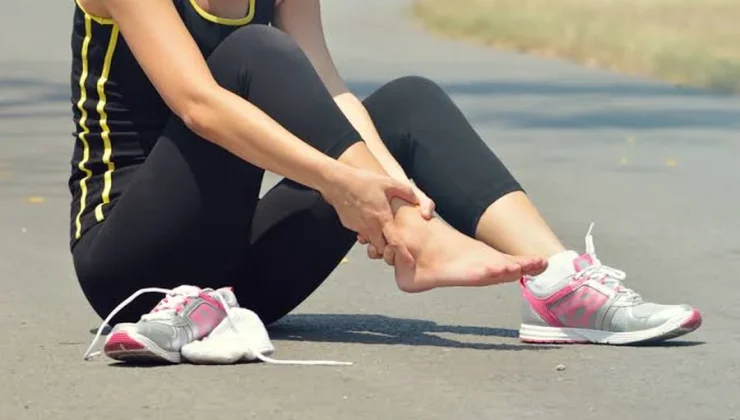
- Acute Injuries: These occur instantaneously as a result of a sudden traumatic event or direct mechanical impact. Examples include twisting an ankle landing awkwardly from a jump, colliding with another player on the field, or taking a hard fall. Conditions like Anterior Cruciate Ligament (ACL) tears, joint dislocations, and acute bone fractures fall into this category. Acute injuries present immediately with sharp pain, swift localized swelling, bruising, and restricted mobility.
- Chronic (Overuse) Injuries: Unlike acute trauma, chronic injuries develop gradually over weeks or months. They occur when repetitive mechanical stress is placed on bones, muscles, or tendons without allowing adequate time for tissue repair. Conditions such as Achilles tendinitis, runner’s knee, shin splints, and stress fractures are classic overuse injuries that often begin as mild discomfort before progressing into severe, debilitating pain.
Primary Risk Factors Behind Sports Injuries
While the exact circumstances surrounding an injury vary across different sports, several underlying risk factors consistently contribute to tissue breakdown and joint vulnerability.
1. Inadequate Warm-Up and Cool-Down Routines
Skipping a proper warm-up leaves muscles cold, stiff, and less elastic. A well-structured dynamic warm-up lasting 5 to 10 minutes gradually increases heart rate, improves blood circulation to working muscles, and prepares joints for explosive movement. Warm, flexible tissues are significantly more resilient against sudden stretches and strains. Likewise, neglecting to cool down with light static stretching after intense activity can lead to muscle tightness and delayed structural recovery.
2. Poor Movement Mechanics and Technique
Faulty movement patterns are among the leading causes of both acute and chronic sports injuries. Whether lifting weights, running, or changing direction, improper form places unnatural torsional stress on joints and soft tissues. For example, landing from a jump with inward-collapsing knees creates severe stress on the ACL, while improper running stride mechanics frequently triggers persistent shin splints.
3. Overtraining and Insufficient Rest
Athletic progression requires challenging the body, but pushing beyond safe limits without scheduled rest days leads to overtraining. Physical fatigue compromises reaction time, muscle firing patterns, and spatial coordination, leaving joints unsupported. Without rest, microscopic tissue tears accumulate, turning minor soreness into structural damage.
4. Improper Footwear and Protective Gear
Gear acts as your first line of defense against impact and repetitive forces. Wearing running shoes that have lost their cushioning, using sport-mismatched footwear, or neglecting essential protective gear like mouthguards and braces increases vulnerability to injury. Properly fitted gear distributes physical force evenly across the body and stabilizes vulnerable joints.
5. Muscular Imbalances and Weakness
When specific muscle groups are significantly stronger or tighter than their opposing muscles, joint alignment becomes skewed. Weakness in core, hip, or gluteal muscles forces surrounding tendons and smaller muscle groups to compensate, increasing the likelihood of joint strain and overuse conditions.
Effective Recovery and Rehabilitation Pathways
When an injury occurs despite preventive efforts, swift action is key to limiting long-term tissue damage. For minor soft-tissue sprains and strains, administering immediate first aid via the R.I.C.E. protocol (Rest, Ice, Compression, and Elevation) during the first 24 to 48 hours helps control inflammation and numb acute discomfort.
However, initial rest is often only the first step in a complete recovery. Severe ligament tears, persistent tendinitis, and structural joint dysfunctions require professional evaluation to restore normal mobility and strength. Utilizing targeted care like physical therapy in Pleasant Grove allows athletes to receive personalized, hands-on treatment, correct biomechanical flaws, rebuild surrounding muscular support, and safely transition back into their active lifestyle.
Final Thoughts
Participating in sports is a fulfilling way to stay healthy, but staying in the game requires proactive preparation and body awareness. By recognizing key risk factors—from improper technique to overtraining—and committing to proper recovery habits, you can lower your risk of injury, optimize athletic performance, and enjoy sports safely for years to come.