
Choosing a New Vehicle That Fits Real Life in Lakeland, Florida
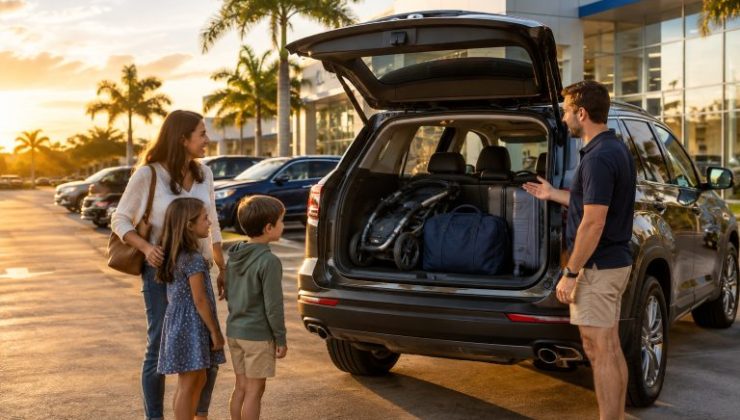
Shopping for a new vehicle in Lakeland is easier when the decision starts with daily life instead of a feature list. Whether your week involves commuting on I-4, school drop-offs, trips across Polk County, or weekend travel around Florida, browsing Lakeland car dealerships should begin with a clear picture of what the vehicle must do well most often.
The right choice is rarely the biggest, fastest, or most heavily equipped option. It is the vehicle that fits your passengers, cargo, parking space, budget, comfort preferences, and long-term plans without creating unnecessary compromises.
For shoppers who are expanding their search beyond Polk County, a Jeep dealership Tampa option can provide another inventory point of comparison before narrowing the list to vehicles that suit your routine.
1. Start With a Typical Week
Write down how you use a vehicle from Monday through Sunday. Include commute distance, school or activity runs, grocery trips, work equipment, pets, airport travel, road trips, and any trailer use. Frequent needs should carry more weight than a once-a-year project. A vehicle that handles everyday duties comfortably will usually be the more satisfying long-term choice.
2. Choose the Right Body Style
Sedans can be practical for commuting and parking. Hatchbacks add flexible cargo access in a compact footprint. Compact SUVs often balance passenger space and maneuverability, while three-row SUVs and minivans can better suit regular carpools or larger families. Pickup trucks are useful when open-bed cargo, equipment, or trailer work is a genuine need. More size can also mean more space to manage in parking lots, garages, and drive-through lanes.
3. Measure Space and Cargo Needs
Seating capacity does not guarantee comfort. Sit in every row, check legroom, and make sure doors open wide enough for the people who will use them. Families should bring a child seat to confirm installation and access. Also measure real items such as strollers, coolers, golf bags, tools, luggage, or pet carriers. Check cargo space with rear seats raised and folded, along with load-floor height and tie-down points.
4. Plan for Florida Conditions
Lakeland drivers benefit from strong air conditioning, useful rear ventilation, effective windshield defogging, clear outward visibility, and easy-to-clean interior materials. Good tires and working wipers matter when roads become wet. All-wheel drive may be useful for certain preferences or uses, but it does not replace appropriate tires, good visibility, extra following distance, or slower speeds during heavy rain.
5. Compare Gas, Hybrid, Plug-In Hybrid, and Electric Powertrains
Powertrain choice should follow your driving pattern. Gas vehicles can suit drivers who take frequent, long trips. Hybrids may appeal to drivers with regular stop-and-go travel. Plug-in hybrids and electric vehicles can make sense when charging is convenient at home, work, or along predictable routes. Use the official fuel-economy comparison tool to review vehicle efficiency estimates while considering your annual mileage, typical passenger load, and highway use.
6. Match Towing and Payload to Real Needs
Towing capacity is the weight a vehicle may pull, while payload includes occupants, cargo, accessories, and weight carried in the vehicle or truck bed. Check the rating for the exact engine, drivetrain, cab, and equipment configuration. Include loaded trailer weight, passengers, luggage, hitch equipment, and tools in your calculations. Choosing substantially more capability than you use can add cost without improving the daily drive.
7. Review Safety and Driver-Assistance Features
Look for equipment that is easy to understand and useful in your normal driving environment. Automatic emergency braking, blind-spot monitoring, rear cross-traffic alerts, adaptive cruise control, parking sensors, cameras, and clear lighting can all be worth evaluating. Before comparing trims, review 2026 vehicle safety ratings and confirm the specific model includes the equipment you expect, since features can vary by trim or package.
8. Take a Better Test Drive
Do more than take a brief loop around the lot. Adjust the seat, wheel, and mirrors, then test visibility and control placement. Drive in stop-and-go traffic and, when practical, at highway speeds. Try parking, braking, reversing, and tight turns. Listen for road, wind, and tire noise. Check rear-seat comfort and open the cargo area yourself. If possible, test the climate control after the vehicle has sat in the sun.
9. Calculate the Full Ownership Cost
A monthly payment is only one expense. Compare purchase price, financing interest, insurance, fuel or charging, maintenance, tires, registration, taxes, and expected resale value. A lower payment can still cost more over time if it comes with higher interest, higher operating costs, or a longer loan term. Set a total ownership budget before discussing extras.
10. Use a Simple Comparison Worksheet
- Primary use and typical weekly mileage
- Usual passenger count and largest item carried
- Required towing or payload capacity
- Preferred powertrain and charging access
- Must-have safety and comfort features
- Garage, driveway, and parking limits
- Maximum total ownership budget
- Top three vehicles to test drive
11. Avoid Common Buying Mistakes
- Choosing mainly by exterior appearance.
- Paying for a capability that will rarely be used.
- Ignoring rear-seat access and comfort.
- Checking cargo volume without bringing normal gear.
- Comparing payments instead of overall costs.
- Assuming every trim includes the same safety equipment.
- Skipping a second test drive before signing.
12. Frequently Asked Questions
What vehicle size works best for most Lakeland drivers?
Compact and midsize vehicles often provide a useful balance of parking convenience, comfort, storage, and operating costs. The better choice depends on your passenger count, cargo requirements, and towing plans.
Is all-wheel drive necessary in Florida?
Many Florida drivers can meet their needs with a two-wheel drive. Tire condition, visibility, road conditions, and cautious driving habits remain important regardless of drivetrain.
How much cargo space is enough?
Measure the items you carry most frequently instead of relying only on published cargo-volume figures. Every day gear reveals more than a number alone.
What should be checked during a test drive?
Focus on seating comfort, visibility, climate control, braking feel, parking, technology controls, road noise, rear-seat access, and cargo usability.
Conclusion
The smartest new-vehicle choice for life in Lakeland comes from matching everyday routines with practical space, comfort, safety, capability, efficiency, and cost. A careful comparison now can help prevent expensive compromises later.