How Attic Insulation Protects Your Roof and Home Structure
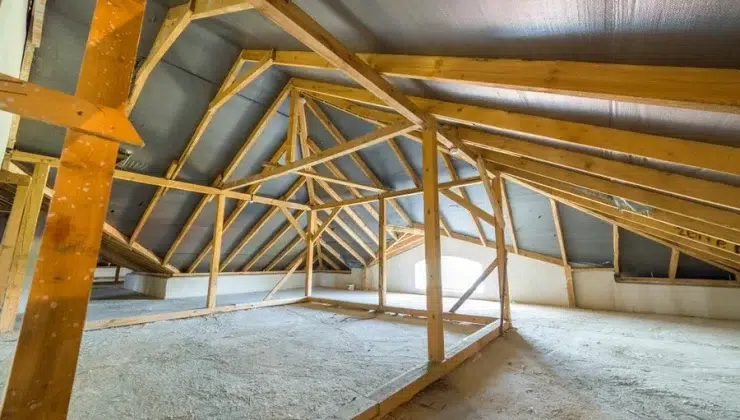
Maintaining the integrity of a home involves more than just aesthetic upkeep or periodic cleaning. One of the most crucial elements for preserving both comfort and structural soundness is attic insulation. Proper insulation in the attic acts as a defensive layer between the external environment and the internal living spaces. It helps regulate temperature, prevents moisture buildup, and reduces strain on your heating and cooling systems. Beyond energy efficiency, attic insulation plays a vital role in extending the lifespan of the roof and preventing structural issues that can lead to expensive repairs.
We will explore how attic insulation in Houston TX safeguards both the roof and the overall structure of a home, highlighting the multiple ways it contributes to durability, efficiency, and protection. Understanding its impact can encourage homeowners to invest in adequate insulation to maintain a secure and stable living environment.
How Attic Insulation Protects Roof and Structural Integrity
-
Temperature Regulation and Roof Longevity
Attic insulation acts as a barrier that stabilizes the temperature within the attic space, reducing the extreme fluctuations that can affect a roof’s durability. Without adequate insulation, heat from the living areas can escape into the attic during winter, causing snow on the roof to melt unevenly. When this melted snow refreezes at the eaves, it creates ice dams, which can damage shingles and allow water to seep into the roof deck. Similarly, in summer, heat can accumulate in the attic, raising the temperature of the roof and accelerating wear on roofing materials.
Proper insulation slows this heat transfer, helping maintain a more consistent roof temperature throughout the year. This not only prevents premature aging of the roofing material but also reduces the risk of leaks and other damage that can compromise the home’s structure over time. By maintaining stable attic temperatures, insulation ensures that the roof functions effectively as a protective barrier for the home.
-
Moisture Control and Prevention of Structural Damage
Moisture is one of the most significant threats to both roofs and home structures. When warm, moist air from the living areas rises into an inadequately insulated attic, it can condense on the colder surfaces of the roof and framing. Over time, this condensation can lead to mold growth, wood rot, and corrosion of metal components, weakening the structural integrity of the roof and supporting framework. Attic insulation acts as a buffer that limits the movement of warm air upward and reduces the likelihood of condensation forming.
Additionally, insulation combined with proper ventilation ensures that any moisture that does accumulate is gradually expelled, preventing long-term damage. By controlling moisture, attic insulation protects wooden rafters, joists, and beams from decay, preserving the foundational strength of the roof and the home. Maintaining dry and stable conditions in the attic helps avoid costly repairs and contributes to a healthier living environment.
-
Energy Efficiency and Reduced Stress on Structural Elements
A well-insulated attic contributes significantly to energy efficiency by preventing the transfer of heat between the living spaces and the attic. This reduced heat flow eases the burden on heating and cooling systems, which in turn reduces the frequency of temperature extremes within the home. When heating systems overwork to compensate for heat loss or cooling systems strain to counter heat gain, structural components such as walls, ceilings, and roof supports can experience expansion and contraction.
Over time, these shifts can cause cracks in drywall, weakened joints, and misaligned framing. Attic insulation helps maintain a more uniform indoor temperature, reducing these cyclical stresses on structural elements. Homeowners benefit from a longer-lasting home structure, lower energy bills, and increased comfort. Insulation also reduces the risk of ice formation, thermal bridging, and related roof damage, further preserving the home’s physical integrity.
-
Protection Against External Weather Conditions
Attic insulation serves as a shield against the impacts of extreme weather. High winds, heavy rainfall, and snow can create challenging conditions for roofs and home structures. Insulation helps buffer the interior of the attic from rapid temperature swings caused by these external factors, lessening the likelihood of structural strain. During storms, insulated attics also help prevent water intrusion caused by ice dams or leaks, which could otherwise compromise the roof deck and internal framing.
Moreover, proper insulation paired with ventilation ensures that trapped heat and moisture do not accumulate, which could otherwise weaken roofing materials and fasteners. By moderating the effects of harsh weather, attic insulation not only preserves the roof’s protective qualities but also supports the structural resilience of the entire home. Investing in attic insulation is essentially a preventative measure that safeguards both the immediate roof and the long-term stability of the house.
Attic insulation is more than an energy-saving measure; it is a critical factor in maintaining the roof and structural health of a home. By regulating temperature, controlling moisture, reducing energy strain, protecting against extreme weather, and dampening noise, insulation preserves both the roof and the supporting framework beneath it. Homes without adequate insulation face accelerated material wear, structural stress, and increased risk of damage from environmental conditions.
Investing in proper attic insulation ensures that roofing materials last longer, structural elements remain stable, and the indoor environment stays comfortable and secure. Understanding the multiple ways insulation contributes to home protection emphasizes its value as a preventative and sustaining component of residential construction, safeguarding your investment and promoting long-term durability.